There’s a question quietly sitting behind every product launch in beauty and skincare today — one that didn’t exist quite so urgently a decade ago. It’s not just what’s inside the bottle, but what happens to the bottle itself. Consumers are asking it. Retailers are requiring answers to it. And a growing number of founders are building their entire brand philosophy around it. The beauty industry generates a minimum of 120 billion units of packaging waste every year, with approximately 95% discarded after a single use. That number is hard to sit with, and the brands willing to confront it honestly are the ones earning the deepest consumer trust right now.
Othilapak has built its sustainable packaging program around exactly that confrontation — not as a marketing chapter, but as a genuine design and manufacturing commitment that runs through every material choice, every structural decision, and every client conversation.
Three Directions, One Commitment
What makes Othilapak’s approach to Sustainable Cosmetic Packaging Solutions for Eco-Conscious Products particularly thoughtful is the acknowledgment that sustainability isn’t a single destination — it’s a spectrum, and different brands occupy different positions on it. Rather than offering one eco-friendly material as a checkbox, Othilapak organizes its sustainable packaging program into three distinct directions: recyclable, refillable, and biodegradable.
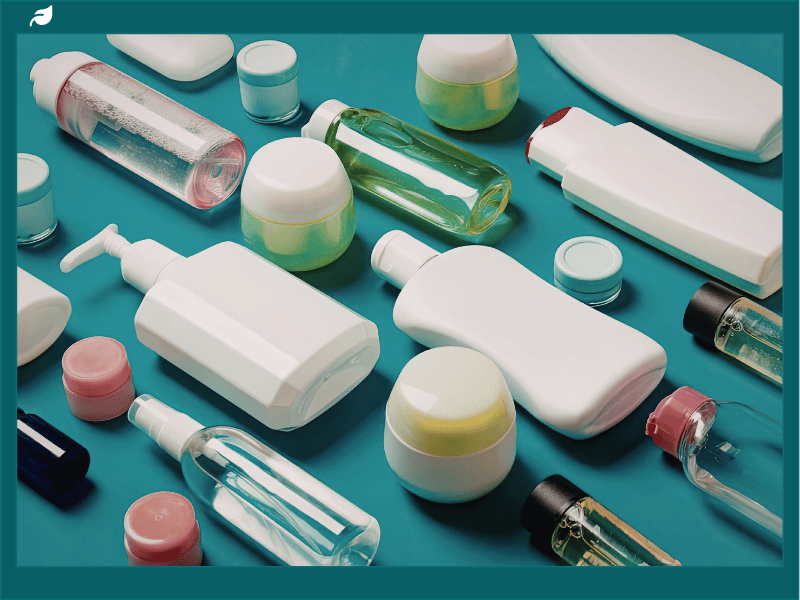
Recyclable packaging serves the broadest market need. Using materials including PET, HDPE, glass, and aluminum — all of which are globally recognized as recyclable and widely collected through existing infrastructure — this pathway is designed for mainstream beauty brands operating at scale. The proposition is pragmatic: sustainability, regulatory compliance, and cost efficiency working together rather than trading off. For brands moving large volumes through mass retail or e-commerce, this is often the most responsible and operationally realistic starting point.
Refillable packaging occupies the premium tier of the sustainability conversation. Pump bottles, serum dispensers, and cushion compacts engineered with durable outer shells and replaceable inner cartridges allow brands to dramatically reduce single-use waste while simultaneously deepening the consumer relationship. A customer who refills a bottle is a customer who has emotionally committed to a product — the sustainability story and the loyalty story are one and the same. Research from the Ellen MacArthur Foundation has found that replacing single-use packaging with refillable options could significantly reduce the beauty sector’s global greenhouse gas emissions.
Biodegradable packaging represents the most radical end of the spectrum, built for organic, niche, and mission-driven brands who want their outer packaging to leave no meaningful trace. PLA bioplastics, bio-based plastics, and molded pulp are applied across skincare jars, outer cartons, and packaging for natural product lines — with an eye not just on present consumer expectations but on the regulatory landscape that is increasingly moving in this direction across European and North American markets.
The PCR Question Every Brand Should Be Asking
One of the most practically useful elements of Othilapak’s sustainable packaging program is its guidance on post-consumer recycled (PCR) plastic content — a topic that generates a great deal of consumer-facing enthusiasm and very little manufacturer-side clarity.
PCR plastic is produced by collecting, processing, and remanufacturing previously used plastic — bottles, containers, and packaging that would otherwise enter the waste stream. Incorporating it into new packaging closes the loop on a material that already exists, reducing demand for virgin plastic without requiring entirely new manufacturing infrastructure.
The practical question is how much PCR content a given component can actually carry without compromising structural integrity or visual quality. Othilapak answers this with specificity. For lighter, less load-bearing components such as caps, closures, and flexible tubes, 50–70% PCR is entirely achievable while maintaining usability and decoration quality. For higher-strength applications — lotion bottles, airless containers, heavy-wall cream jars — 30–50% PCR provides the optimal balance of recycled content and structural performance. At the far end of the scale, certain PET bottles and HDPE containers can reach 100% PCR content while maintaining clarity, strength, and recyclability — making them a particularly compelling choice for toners, cleansers, and body care lines where the circular packaging narrative is central to the brand story.
This kind of material transparency is genuinely valuable. It allows brands to set sustainability targets that are honest and achievable rather than aspirational and vague — and it prevents the kind of overclaiming that is increasingly drawing regulatory scrutiny around greenwashing.
Why the Business Case Is Now Inseparable from the Ethical Case
Over 80% of beauty product consumers believe the industry needs to reduce its plastic packaging use — and that belief is increasingly expressed through purchase decisions rather than survey responses. The brands that recognized this shift early have seen it compound into genuine competitive advantage, building consumer loyalty among a demographic that is both values-driven and highly vocal in sharing those values.
But the business case for sustainable packaging now extends well beyond consumer preference. Retailers across European and North American markets are building sustainability compliance into their vendor requirements. Regulatory frameworks governing recycled content, material disclosure, and end-of-life labeling are tightening across major markets. Brands that have already built a sustainable packaging infrastructure aren’t just ahead of consumer sentiment — they’re ahead of compliance requirements that will eventually apply to everyone.
A Partner for the Whole Journey
The distinction in Othilapak’s approach is that it doesn’t ask brands to choose between environmental responsibility and packaging quality. The three-direction framework exists precisely because different brands have different sustainability starting points, different consumer audiences, and different business constraints — and a single material solution doesn’t serve all of them equally.
What Othilapak offers is the expertise to find the right match between a brand’s values, its product requirements, and its market positioning — and then to deliver that match at the manufacturing standard that serious beauty brands require. For brands building toward a cleaner future, that combination of conviction and capability is where the real work begins.