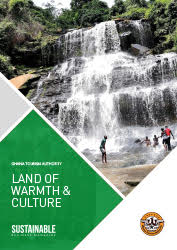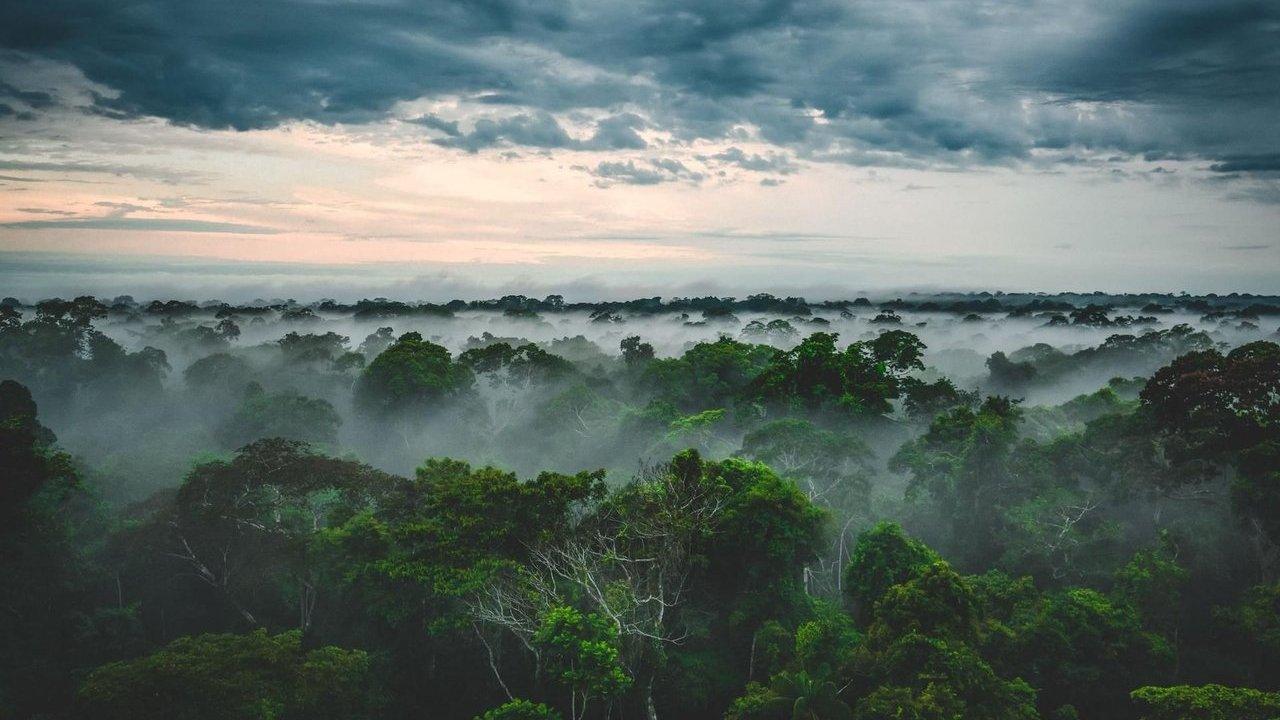
Ghana is set to become the first African country to access finance through the LEAF Coalition, marking a notable milestone for jurisdictional forest protection in the region. Its REDD+ programme spans approximately 2.5 million hectares across 10 regions in southern and central Ghana’s High Forest Zone. The issuance is expected to generate around US$43 million in initial buyer payments, with initial purchases covering about four million tonnes at US$10 to US$13 per tonne. The programme places forest communities, farmers, traditional authorities and the Forestry Commission at the centre of an effort to tackle deforestation linked to agricultural expansion, illegal logging, mining and wildfires.
A Landmark African Issuance
The planned issuance gives Ghana a prominent position in the development of jurisdictional REDD+ markets. Rather than focusing on a single project, the programme operates across a substantial cocoa-forest landscape, where land-use pressures have continued to affect forest cover.
The anticipated payments reflect the commercial value being placed on independently verified forest credits, while the programme’s social safeguards are intended to support confidence among buyers and participating communities. The release describes the credits as the first jurisdictional credits issued in Africa, following nearly two decades of work across the country.
MARTIN KRAUSE, DIRECTOR, CLIMATE CHANGE DIVISION at UNEP, said:
“ Ghana’s forest credits, the first jurisdictional credits issued in Africa, are the result of nearly twenty years of work by farmers, communities, traditional authorities and the Forestry Commission. They were independently verified against a rigorous standard, with built-in social safeguards, giving the market confidence. The next step is making sure the revenue reaches the people who protected the forest. Stable and rapid forest finance is key to keeping the momentum. UNEP, through the UN-REDD Programme, will keep supporting Ghana for that purpose. ”
Finance For Forest Communities
The programme’s potential value lies not only in the first payments, but in the prospect of directing durable finance towards those maintaining forests. Ghana’s High Forest Zone is economically important for cocoa production, making the balance between agricultural livelihoods and forest conservation particularly consequential.
The Forestry Commission has positioned the jurisdictional infrastructure as a foundation for wider environmental funding. That includes possible payments connected with biodiversity and ecosystem services, alongside carbon finance. Such mechanisms could help meet the practical costs of conservation, from equipment and training to community engagement.
JOSEPH APPIAH-GYAPONG, DIRECTOR, CLIMATE CHANGE UNIT at FORESTRY COMMISSION GHANA, said:
“ The key thing is that the systems and procedures being put in place are robust enough to attract more investment and financing into the forest sector. We are looking beyond carbon, at biodiversity payments and payments for ecosystem services, because we have already built a robust foundation. ”
Jurisdictional Markets Gain Ground
Ghana’s announcement came during COP31 discussions that also highlighted Indonesia’s jurisdictional REDD+ developments. Together, the developments offer evidence that government-led forest programmes are gaining traction as a route for rewarding measured emissions reductions at scale.
UNEP, through the UN-REDD Programme, is continuing its support for Ghana’s work. The country’s progress also arrives as forest finance attracts renewed attention from public institutions, private buyers and organisations seeking credible mechanisms that recognise standing forests and the people protecting them.
LUCY ALMOND, CHAIR at NATURE4CLIMATE, said:
“ Indonesia and Ghana’s jurisdictional REDD+ news this week shows these are not isolated announcements. Indonesia shows what is possible at government-led scale, and Ghana shows what is possible when finance flows into communities. This demonstrates that jurisdictional REDD+ is moving from proof of concept to a functioning market. ”
Protecting Forests With Revenue
The Ghana programme illustrates the financial realities behind sustained forest conservation. Maintaining forest protection requires resources for forest guards, equipment, training and regular engagement with communities, all of which need reliable funding over time.
For Ghana, the expected LEAF payments represent recognition for a long-running national effort and a chance to demonstrate how verified jurisdictional credits can support conservation in a major forest landscape. If revenue reaches those who safeguard the forests, the model could offer an encouraging precedent for other African countries considering similar programmes.
HUGH BROWN, EXECUTIVE DIRECTOR, FOREST SERVICES DIVISION, said:
“ We have reached a point where we are looking at ways to manage forests sustainably while generating enough revenue to support conservation, because conservation does not come cheap. Forest guards need to be clothed and equipped, training must take place, and communities must be engaged regularly to sustain enthusiasm. All of this costs money. There was a point when we wondered whether those upfront investments were worth it. But today, I can say we are leaving here smiling. We were happy when we received the news on Monday, and we know this is not only for Ghana. It is for Africa and the world. Forest finance is a reality. ”