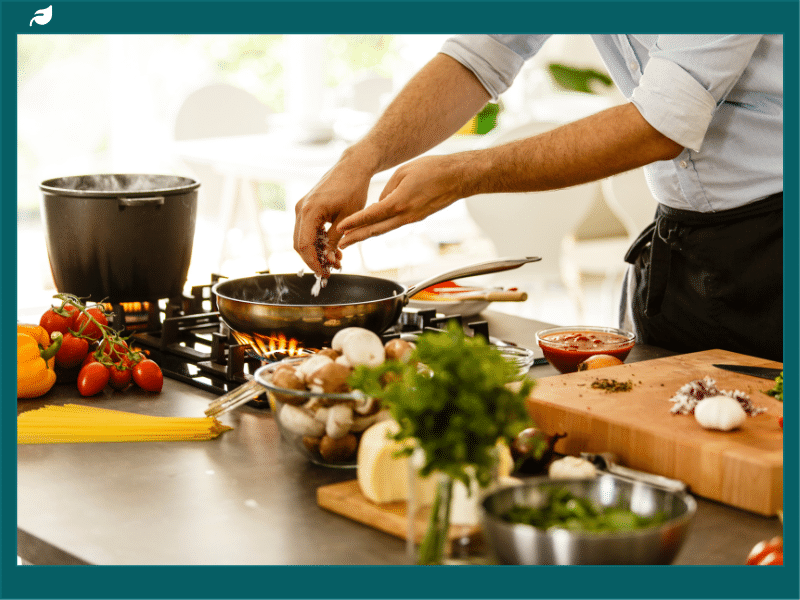
Most kitchens have a predictable route every time someone prepares a meal. Food comes out of the refrigerator, moves to a preparation area, reaches the stove or oven, and eventually ends up near the sink. Along that route, hands touch handles, crumbs fall, cooking residue reaches nearby surfaces, and water appears around washing areas.
Following that path can make kitchen cleaning more focused, but it also has a sustainability advantage. Cleaning only the surfaces that actually changed can reduce unnecessary product use, water use, disposable paper, and repeat work. Instead of spraying every counter and wiping every cabinet because they happen to be in the kitchen, the cleaning process follows the places where cooking left evidence.
That makes the cooking route useful for both everyday maintenance and a lower-waste cleaning routine.
Start at the Refrigerator and Look for Waste as Well as Dirt
The refrigerator is usually the first stop in the cooking route. The handle receives repeated contact, and the floor nearby can collect crumbs or packaging debris. Those areas may need attention even when the rest of the appliance does not.
The refrigerator is also where sustainable kitchen habits can begin before cleaning starts. Checking ingredients before preparing a meal can prevent forgotten food from being left until it spoils. Items approaching their use-by or best-quality period can be incorporated into meals where appropriate, while leftovers can be stored correctly and kept visible enough to be used. Reducing avoidable food waste removes one source of kitchen mess while making better use of what has already been purchased.
There is little reason to clean the entire refrigerator exterior after every meal. Focus on the handle, obvious marks, and the floor directly around the area that was used.
Keep the Preparation Zone Focused
Most kitchens have one counter section that handles a large share of food preparation. It may sit between the refrigerator and stove, beside the sink, or on an island. Because this surface receives ingredients, cutting boards, containers, and utensils, it often needs more attention than quieter counters.
Begin by removing dry food scraps and crumbs before reaching for a wet cloth. Collecting loose debris first prevents water from turning crumbs into smears and may reduce the amount of cleaner needed afterward. If the remaining surface only has light marks, a reusable damp cloth and a material-appropriate cleaning method may be enough.
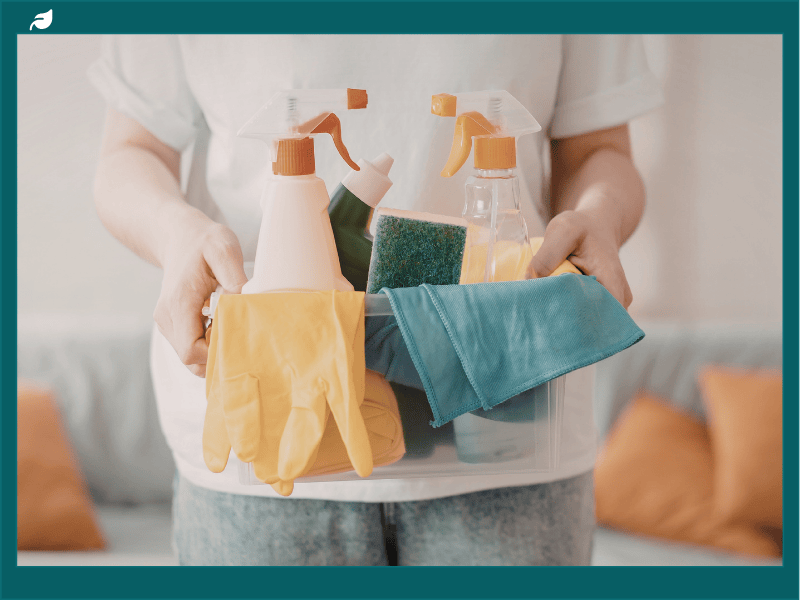
Reusable microfibre cloths or other washable cleaning cloths can replace many single-use paper towels in routine kitchen cleaning. The important point is to keep clothes clean, wash them appropriately, and use separate clothes where cross-contamination would be a concern.
Clean the Prep-to-Stove Strip, Not Every Cabinet
The short distance between food preparation and cooking can become one of the busiest parts of the room. A spoon lands beside the cooktop, a drop of sauce reaches the floor, and hands touch one or two cabinet pulls repeatedly.
Those signs of use do not mean every cabinet front needs wiping. Targeting the handles, backsplash section, counter edge, and floor area that were actually involved can reduce both product consumption and unnecessary labour.
This is also where strong cleaners are often used more broadly than needed. A greasy spot may require a suitable degreasing method, but a nearby surface with only a fingerprint may not. Matching the product to the residue helps avoid applying heavier cleaning chemistry across areas that do not need it.
Use Fewer Products, but Use Them Correctly
A more sustainable cleaning routine is not simply about buying products labelled “green.” It is about avoiding unnecessary product use and choosing formulations carefully.
Plant-based or lower-toxicity products may suit some households and surfaces, but a plant-based label by itself does not guarantee that a cleaner is appropriate for every material. Read usage instructions, avoid mixing products, and follow appliance or surface-care guidance.
Using only the amount needed for the specific task can also reduce residue left behind on counters and other hard surfaces. More spray does not automatically create a cleaner result.
Reducing unnecessary aerosols, heavily fragranced sprays, and excess cleaning chemicals can also limit what is added to indoor air during routine cleaning. Where appropriate, ventilation and controlled product use are preferable to filling the room with more spray than the surface requires.
Save Water Around the Sink
The sink is the final major point on the cooking route, but it can easily become the place where water use rises.
Running the tap continuously while wiping nearby surfaces is rarely necessary. Clear food debris first, handle dishes according to the household’s normal washing system, and use only the water needed for the actual cleaning task. A cloth can often be dampened once rather than repeatedly rinsed under a flowing tap.
The area around the faucet should also be cleaned according to what actually happened there. A few water marks around the handle do not require soaking the entire counter. Targeted cleaning keeps the wet zone smaller and reduces the chance of moisture reaching seams or materials that should not stay wet.
Make the Route Clear When Cleaning Is Shared
The cooking route becomes even more useful when more than one person is responsible for the kitchen. Instead of saying that the whole room needs equal attention, the active sequence can be identified clearly: refrigerator, preparation surface, stove surroundings, sink, and the floor beneath those points.
A simple version of that map gives Yall Maid Austin Cleaning Services a relevant picture of which surfaces changed during food preparation, while preferences such as reusable cloths or lower-toxicity products can be discussed separately where appropriate.
That approach keeps the focus on actual use. Quieter shelves, cabinet doors, or decorative areas can remain on their normal cleaning schedule rather than being included automatically every time the kitchen is reset.
Leave the Floor Until the End
Kitchen floors collect what happens above them. Crumbs fall from preparation surfaces, small ingredients drop near the refrigerator, and water reaches the area around the sink.
For that reason, the floor should usually come after the counters, stove surroundings, and sink area. Cleaning it too early can create repeat work when debris falls during the tasks above.
A route-based floor check can also prevent unnecessary whole-room washing. If debris is concentrated between the refrigerator, preparation area, stove, and sink, deal with that active strip first. A full-floor clean can wait until the condition of the rest of the floor justifies it.
This saves effort and may also reduce water and cleaning product use.
Let Dry Cleaning Do More of the Work
Not every kitchen mark needs liquid.
Crumbs can be swept or collected. Loose dust can be removed before wet cleaning. Dry debris around cabinet edges can be handled without spraying nearby surfaces.
Separating dry and wet cleaning is useful because moisture can make some messes harder to remove. It can turn crumbs into paste, spread oily particles, and encourage people to use more product than the task requires.
Use wet methods for the residue that actually needs them. That simple distinction can make the kitchen easier to clean while keeping water and product use more controlled.
Adjust the Route as Cooking Habits Change
The cleaning route should follow real kitchen behaviour rather than remain fixed forever. A new coffee station can create another high-use counter. Moving a toaster may shift where crumbs appear. An island may become the main preparation area after a change in household routine.
Watch where new residue begins to collect and reduce attention where activity has declined. This avoids cleaning yesterday’s high-use areas simply out of habit.
The principle is straightforward: cleaning should respond to what has changed.
A Cleaner Kitchen Can Also Be a Lower-Waste Kitchen
A kitchen does not need every surface cleaned after every meal. The refrigerator handle, main preparation area, stove surroundings, sink, and active floor strip often carry most of the evidence from cooking.
Following that route makes it easier to clean what was actually used, leave untouched areas alone, and avoid unnecessary repeat work. It also creates opportunities to reduce food waste, use reusable cloths instead of disposable paper, limit water use, and choose cleaning products more carefully.
The result is not simply a shorter cleaning routine. It is a more deliberate one.
A sustainable kitchen-cleaning habit begins by asking where the meal actually travelled and using no more water, product, or material than those surfaces genuinely require.