Gunnebo Group has reported measurable progress across key sustainability areas in its latest CSRD-aligned report, including changes in gender representation, increased renewable energy use and updated supplier assessment processes. The findings reflect ongoing efforts to integrate environmental, social and governance considerations across its operations.
One of the most notable developments is a shift in gender balance within Gunnebo Safe Storage, where women now represent 44% of management positions, up from 22%. The change marks a substantial adjustment in leadership composition within the business unit.
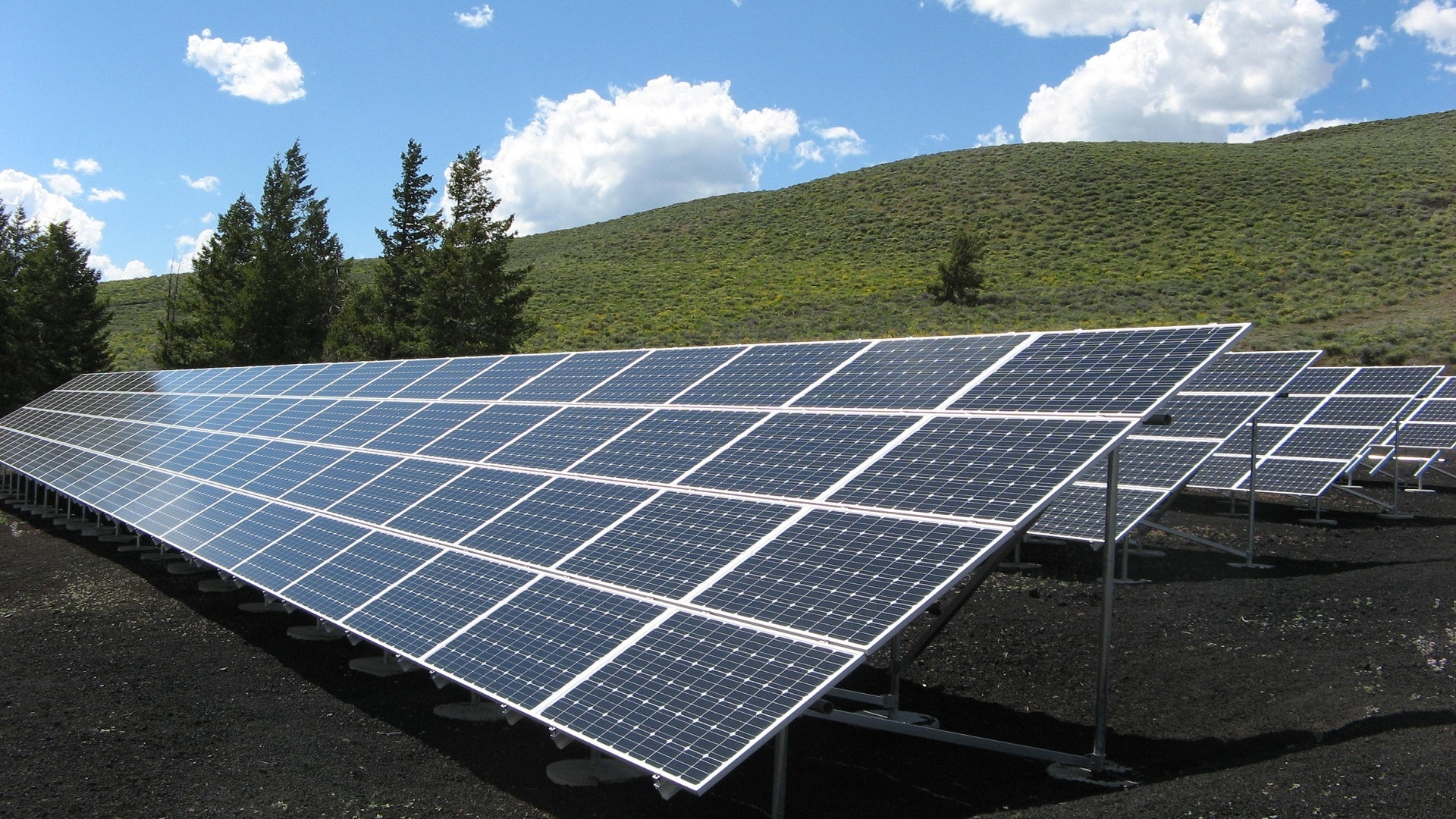
The report also records an increase in renewable energy usage across the Group, rising to 17% from a previous 10%. This reflects a continued move towards lower-emission energy sources as part of efforts to reduce environmental impact.
Alongside these developments, Gunnebo Group has introduced a common ESG template for assessing new and high risk suppliers. The framework is designed to bring greater consistency to how environmental, social and governance factors are evaluated across the supply chain, supporting risk management and supplier oversight.
Per Hökfelt, Head of Sustainability at Gunnebo Group, said: “This year’s sustainability report reflects clear, measurable progress across key areas of our business. From significantly increasing female representation in management to expanding our use of renewable energy and strengthening how we assess suppliers, we are building a more structured and transparent approach. By improving how we collect and use data, we are better positioned to track performance, identify priorities and drive continuous improvement.”
The report outlines how sustainability considerations are embedded across a range of business activities. These include supplier engagement, business ethics, environmental performance and social indicators such as workplace safety, career development and gender representation.
Environmental metrics covered in the report include carbon footprint reduction, renewable energy use and EcoVadis performance. On the social side, the company tracks indicators linked to workforce development and inclusion, alongside operational safety.
Gunnebo positions its sustainability reporting as both a compliance requirement and a tool for internal management. The structured collection and analysis of data is intended to support decision-making, identify areas for improvement and maintain transparency with stakeholders.
The company also points to ongoing collaboration with internal teams, as well as engagement with customers and partners. Sustainability considerations are described as an active factor in business relationships and procurement decisions.
This approach aligns with broader regulatory developments, particularly the Corporate Sustainability Reporting Directive, which requires companies operating in the European Union to provide more detailed and standardised disclosures on ESG performance. Companies are increasingly expected to demonstrate how sustainability is integrated into governance, strategy and operations.
Stefan Syrén, President and CEO of Gunnebo Group, said: “Our direction is clear. We are committed to progressing against our long-term sustainability targets and to doing so in a transparent and structured way. This report reflects the discipline we are building across our organisation, ensuring sustainability remains an integral part of how we operate, develop and grow.”
The introduction of a Group-wide ESG supplier template reflects a wider trend across industry, where companies are placing greater emphasis on supply chain accountability. Assessing environmental and social risks among suppliers is becoming a standard requirement as regulatory scrutiny increases and stakeholder expectations evolve.
At the same time, improvements in diversity metrics and energy sourcing reflect internal operational changes. Workforce composition and energy use are both key indicators tracked by companies reporting under ESG frameworks, providing measurable benchmarks for progress over time.
Gunnebo’s report suggests that data collection and standardisation are central to its current approach. By refining how information is gathered and analysed, the company aims to strengthen oversight and maintain consistency across business units.
The report is now available through the company’s website, providing detailed disclosures on performance across ESG categories.