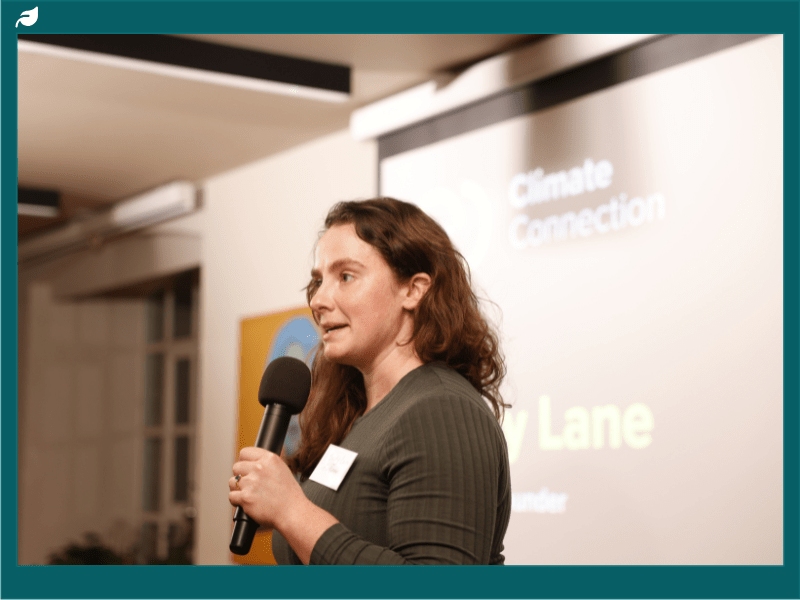
I had the wonderful opportunity to speak with Becky Lane, co-founder of Furbnow, a company providing expert management of home energy upgrades
Becky Lane co-founded Furbnow with her business partner Laurence, as a direct response to the confusion amongst homeowners about where to start with home energy upgrades. Furbnow provides a whole house assessment to identify which upgrades will provide the best value, sources trusted contractors at fair prices and ensures quality of install. Becky makes it clear in this interview that her aim is to help simplify the process of home energy renovation for her customers.
How Furbnow Helps to Upgrade Your Home
From the very beginning of our interview Becky shows her passion for helping homeowners to understand what types of energy upgrade are right for their home: ‘We’re there to cut through all the chaos of home upgrades, making sure there is a clear plan, the tech is simple, and that you have real experts on your side to get it right first time.’ Becky indicates that carbon emission reductions tend to be a secondary benefit to the immediate reasons customers wish to upgrade their home. She suggests more primary reasons include wanting to address home temperature imbalances, financial savings or future proofing during a renovation. Becky is clearly proud of her role in giving homeowners the confidence to choose the right type of home energy upgrade for their property.
I ask Becky what she looks for when first scouting out a home for potential areas to upgrade. Without hesitation she says that insulation gaps in the loft and loft hatch are some of the easiest places to make quick wins against heat loss. Becky describes a few other areas of immediate focus such as ensuring clear gutters and proper ventilation in the home to address potential issues of damp and mould, which are often initial driving factors for customers. When customers feel ready to move on from the basics, Becky has a list of bigger picture target areas, namely starting with insulating any external areas, such as the walls, roof and floors: ‘We plan how that would work alongside any other renovations you have planned, and help to piece it all together in one project.’ The final future proofing touches she suggests are renewable energy projects including solar and heat pumps.
‘Our platform is built to allow for scale and hitting that target of 100,000 homes. We strongly believe there are a lot of inefficiencies in this sector deterring people from starting this process. We provide that clarity and a clear customer journey to get it done right, first time’
Lowering Barriers to Home Energy Upgrades
Becky is enthusiastic about the introduction of the Government’s Warm Home Plan, outlined in January 2026. She explains that prior to this plan any grant programmes were very focused on particular economic groups, with heavy focus on single technologies: ‘There was not actually any advice or indication from the government in terms of what you should be doing for your home, and a real lack of policy drivers.’ Becky is optimistic about the potential of the Warm Home Plan to be a real turning point in the policy landscape, particularly in terms of financial support for homeowners. Although she does point out a continued lack of clarity on what exactly this will look like.
Becky emphasises the role of Furbnow in simplifying the renovation process, aided by a platform and digital twin technology designed by co-founder Laurence Watson. Becky explains that Furbnow develops a digital twin of the home that provides information on current energy consumption and models the benefits of planned upgrades. The digital twin is used in the design phase to understand the impact of insulating alongside heat pumps or integrating solar panels on the existing home energy system. Becky explains that Furbnow remains involved during installation, using the digital twin to ensure everything is done to quality. She also touches on the use of AI to ensure accurate data inputs: ‘It is a consistent data thread from what is observed in the home and what is modelled, designed and installed.’
The Expanding Scope of Furbnow
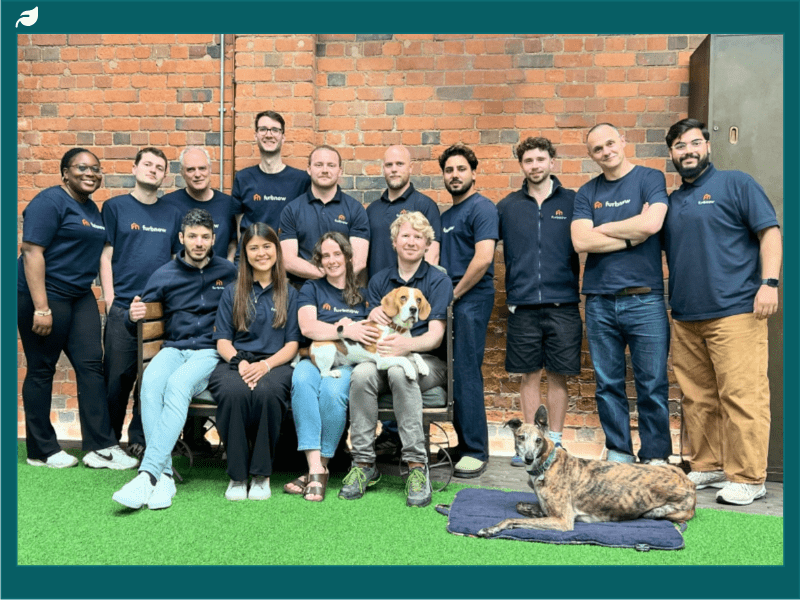
Our conversation turns to the impact that Furbnow has made in the home renovation space. Becky is happy to report that Furbnow customers benefit from lower energy bills, house value increases and warmer, more comfortable living environments. The Furbnow website offers Leeds homeowner John as an example case-study. After the involvement of Furbnow, John’s 1930 semi-detached property went from an EPC D to B rating. His property increased in value by approximately 9% and he saves on average £1000 annually in bills. Becky makes it clear that such improvements are only possible due to the dedicated team at Furbnow, including her co-founder Laurence Watson, the brains behind the digital twin product.
Becky shows pride in the current market position that Furbnow has achieved, but she has big goals to expand the company’s reach. So far Furbnow has retrofitted 750 homes across the UK and is aiming to add 500 more to this total in 2026. Becky is not shy of an ambitious target and says her goal is to retrofit 100,000 homes by 2030. Helping to make this target feasible are the numerous partnerships Furbnow has won with local authorities and organisations across England and Wales. Becky says: ‘Our platform is built to allow for scale and hitting that target of 100,000 homes. We strongly believe there are a lot of inefficiencies in this sector deterring people from starting this process. We provide that clarity and a clear customer journey to get it done right, first time.’