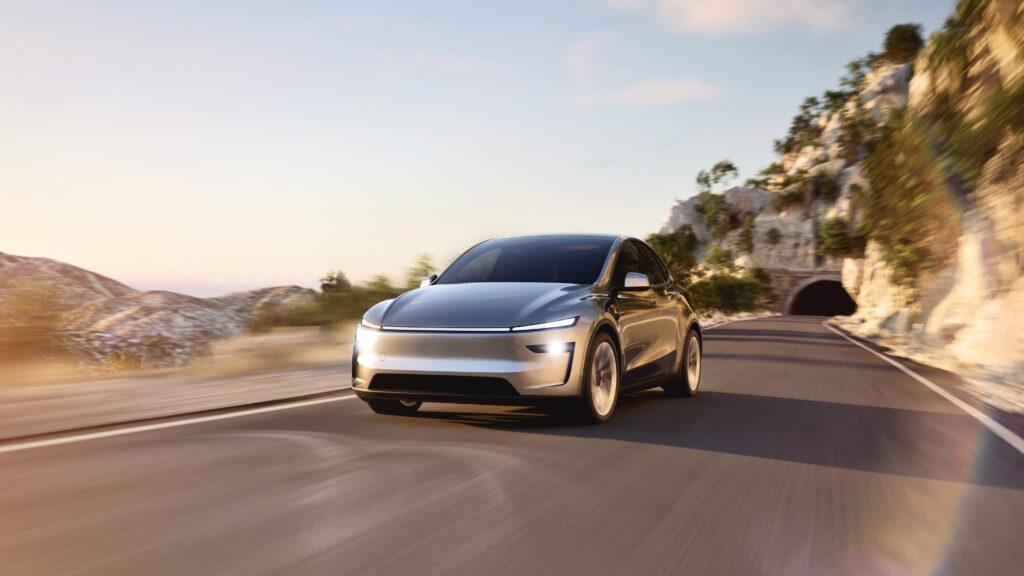
Most people read a headline like “elon musk out at tesla” and assume he has already resigned or been fired. That is not accurate, and treating it as fact leads to bad investment decisions and wasted worry. The real story is a mix of boardroom anxiety, a reported executive search, and Musk himself scaling back a government role, not an actual departure.
Here is the corrected picture. Reports emerged that the Tesla board had quietly approached recruitment firms about a possible successor, a claim the company’s chair publicly denied. Around the same time, Musk announced he would cut back his hours at the Department of Government Efficiency and return his attention to the electric automaker he leads. Those two threads got tangled together in public conversation, and that tangle is what most coverage of “elon musk out at tesla” gets wrong.
This article separates confirmed fact from speculation, walks through why profits and sales fell so sharply, and explains what any of this means if you own the stock, drive the car, or just follow business news.
What Actually Happened
No resignation has occurred, and no board vote has removed Musk from his post. What did happen is more nuanced, and it matters for anyone trying to make sense of the news.
- A widely cited report claimed Tesla’s board had begun talking to search firms about a possible CEO successor.
- The board’s chair, Robyn Denholm, denied that any formal search was underway.
- Musk himself said he would reduce his time at the government efficiency office, known as DOGE, to one or two days a week starting the following month.
- He committed to spending far more time back at Tesla’s Texas headquarters.
- The timing of his statement, right after the succession report surfaced, struck many observers as more than coincidental.
Whether the search was real, informal, or never got past a phone call, the fact that it was even reported signals something new. A brash CEO who once seemed untouchable to shareholders is now facing real boardroom scrutiny for the first time in years.
The Numbers Behind the Headlines
The financial backdrop explains why this story gained traction. Tesla’s first-quarter results showed a steep drop in both sales and profit compared to the same period a year earlier.
- Vehicle deliveries fell roughly 13 to 20 percent depending on the quarter measured, landing at the lowest level in about three years.
- Net profit dropped more than 70 percent year over year.
- Shares had lost more than a third of their value earlier in the year before recovering some ground.
- The company declined to offer a growth forecast, citing uncertain conditions ahead.
- Executives pointed to “changing political sentiment” as a factor weighing on demand.
Tariff policy under the Trump administration added another layer of cost pressure, since even US-assembled vehicles depend on parts sourced from China. Musk argued Tesla was better positioned than most of the car industry because of its regional supply chains, but he also acknowledged tariffs hurt a business already running on thin margins.
Why the Government Role Became a Problem
Musk’s involvement in Washington was unusual from the start. A sitting tesla ceo taking a hands-on federal role while running a public car company created a conflict investors had not priced in.
- His work leading DOGE put him at the center of federal spending cuts and job reductions.
- Temporary government employees like Musk are typically capped at 130 working days a year.
- His political spending, including tens of millions on a Wisconsin judicial race that did not go his way, drew criticism even from allies.
- Boycotts and protests targeted Tesla dealerships and vehicles in multiple countries.
- Some vandalism incidents against Tesla cars were reported alongside the demonstrations.
Musk eventually announced his exit from the formal government post, thanking the president for the opportunity and insisting the broader cost-cutting mission would “continue” without him. He also clashed publicly with trade adviser Peter Navarro, calling him a “moron” after Navarro suggested Musk ran an assembly operation rather than a true manufacturer.
Board Pressure and the Succession Question
The succession report, even if denied, revealed something real about sentiment inside the boardroom. Directors at any firms tesla‘s size are watching share price, brand damage, and CEO bandwidth all at once.
- A search firm was reportedly approached to identify potential replacement candidates.
- The board has not confirmed how far that process went, or whether it is still active.
- Musk’s sudden pivot back toward Tesla operations followed almost immediately after the report went public.
- Longtime supporters argue no replacement could match Musk’s influence on investor sentiment.
- Skeptics counter that his moonshot promises, robots, robotaxis, and AI, have distracted from a stagnant model lineup.
It is worth remembering that Musk still holds enormous personal leverage over the company through his stock and his brand. A ceo elon Musk-less Tesla is a real scenario people are now willing to discuss, but it remains speculative rather than confirmed.
What Supporters and Critics Both Get Right
Both camps have a point, and pretending otherwise does readers no favors.
- Supporters correctly note that Musk’s public profile has historically driven investor enthusiasm well beyond what the balance sheet alone would justify.
- Musk’s futurist bets, self-driving software, humanoid robots, and AI integration, have kept Tesla’s valuation detached from typical car company multiples.
- Critics correctly point out that the actual vehicle lineup has barely changed in years, aside from updated versions of the Model 3 and Model Y.
- The Cybertruck, the only genuinely new model in years, has sold well below expectations despite some clever engineering underneath its polarizing shell.
- Distraction is a fair charge. Time spent on side projects and political work is time not spent fixing demand problems.
There is a reasonable middle position here: Musk’s ambition built the company, but the same restlessness now threatens to undermine it. SBM’s view is that a public car company with declining sales needs a fully present operator, not a part-time one, whatever the political cause.
What It Means for Buyers and Investors
If you are shopping for an EV or holding the stock, the practical takeaway is patience, not panic.
- Current owners are not affected by any of this in terms of vehicle support, warranties, or service.
- Prospective buyers may find discounts or incentives more common as the company works to rebuild demand.
- Investors should treat succession chatter as a risk factor to watch, not a confirmed event to trade on.
- Analysts have already flagged fierce competition from other automakers as a bigger long-term threat than any single leadership change.
- Anyone doing a broad search on this topic should check for confirmed regulatory filings before assuming a change of command has happened.
The bigger picture, from a sustainability standpoint, is that the world still needs a strong, credible electric automaker pushing the whole car industry toward zero emissions. Leadership drama is a distraction SBM would rather not see repeated, because it slows public trust in EVs generally at a moment when that trust needs to grow, not wobble.
Frequently Asked Questions
Has Elon Musk actually left Tesla?
No. He remains chief executive. Reports described board-level conversations about a possible future successor, which the board chair denied, alongside Musk’s own decision to cut back his separate government role.
Why did Tesla’s board reportedly look for a replacement?
Steep drops in sales and profit, a falling share price, and concern that Musk’s political involvement was hurting the brand all reportedly contributed to boardroom unease.
What is DOGE and why does it matter here?
DOGE, the Department of Government Efficiency, is the federal cost-cutting effort Musk led part time under the Trump administration. His outsized commitment to it was widely seen as pulling focus away from Tesla.
Did Musk’s political work actually hurt Tesla sales?
The company itself cited “changing political sentiment” as a factor in falling demand, and boycotts plus some vandalism targeted Tesla vehicles and stores in several countries.
Is Tesla stock a good buy right now?
That is a personal financial decision, but the honest answer is that uncertainty around leadership, tariffs, and demand makes near-term volatility likely. Anyone investing should watch quarterly results rather than headlines alone.
What happens next for the company?
Musk has said he will spend far more time at headquarters and less on outside political work, while insisting the cost-cutting mission he started will carry on regardless of his day-to-day presence.
Next Step
Anyone following this story should keep an eye on Tesla’s next quarterly results and any official board statements rather than relying on secondhand chatter. That is where the real answer to “elon musk out at tesla” will eventually surface, not in speculation.