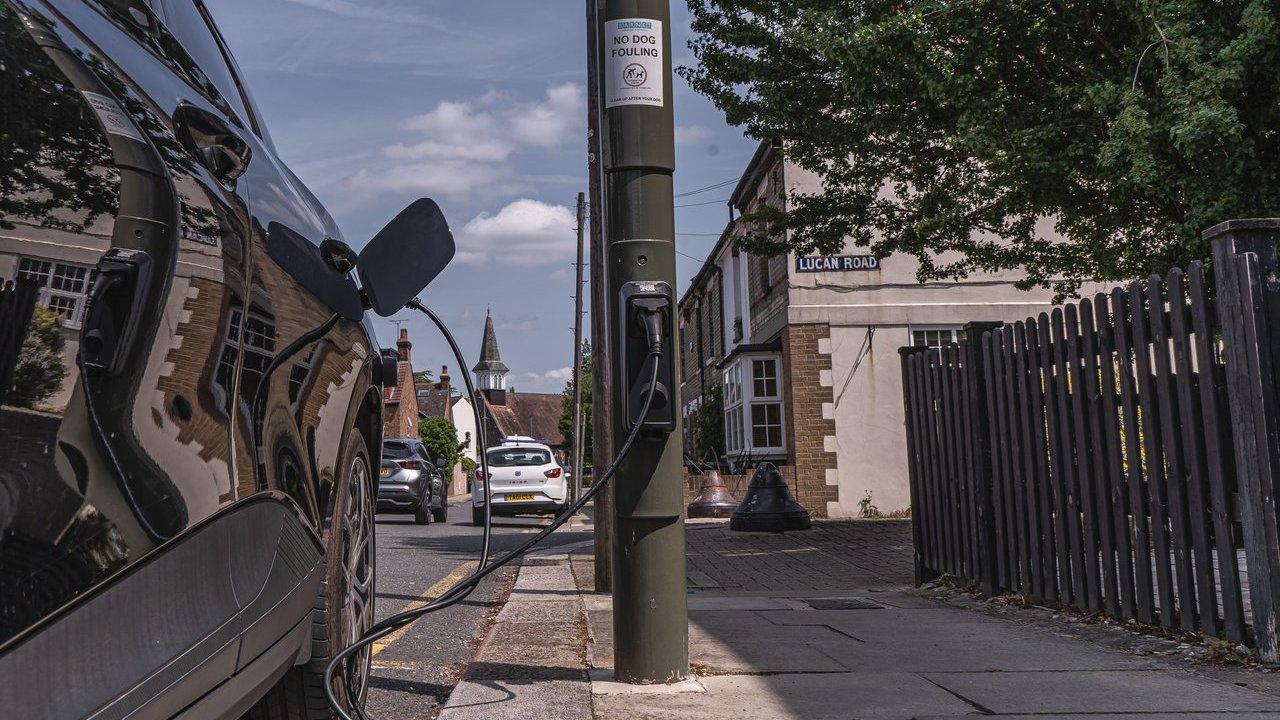
char.gy has secured 11 Local Electric Vehicle Infrastructure, or LEVI, projects as English councils accelerate on-street EV charging for residents without driveways. Four projects are signed and in delivery across Brighton & Hove, Devon & Torbay, Reading and West Northamptonshire, while seven more are progressing towards signature. The company has 674 live LEVI connectors in Brighton & Hove and Reading, and plans to deliver more than 60,000 sockets across the awarded projects over their lifetime. The rollout comes as half of UK councils still lack on-street charging for residents without off-street parking.
Delivering LEVI Projects
The government’s LEVI Fund is administered by the Office for Zero Emission Vehicles and supports local authorities in England to install local charge points. For char.gy, the current programme spans signed projects in four areas, with further awards including the Isle of Wight and Central Bedfordshire.
Zapmap figures cited by the company show 521 live connectors in Brighton & Hove and 153 in Reading as at 2 October 2026. Devon & Torbay and West Northamptonshire had no live LEVI connectors at that point, placing the programme at different stages of delivery across its locations.
The 60,000-socket figure refers to planned delivery over the life of all LEVI projects awarded to char.gy so far, rather than charge points already installed. This distinction matters as councils move from funding awards to practical installation programmes that must be operated over the longer term.
Reaching New Council Areas
On-street charging is particularly important for households without private driveways. The UK has 2.18 million EVs on its roads, and 40% of drivers live without off-street parking, making accessible kerbside infrastructure an important part of wider electric vehicle adoption.
Regional availability remains uneven. More than 70% of kerbside chargers installed nationally by the end of 2025 were located in London, while Vauxhall’s Freedom of Information research for its Electric Streets of Britain campaign found that half of UK councils still needed on-street charging provision for residents without driveways.
Across the sector, on-street chargers accounted for more than 55% of new public installations in 2025. The UK has just over 122,000 public charge points, with more than 50,000 added since the end of 2023, creating a larger national base for drivers considering electric transport.

Upgrading Existing Networks
The rollout also includes replacement work for councils with existing infrastructure. char.gy has replaced 955 charge points in Richmond and Wandsworth, while legacy on-street networks are being replaced in Barnet and Brighton & Hove.
Installation is also under way in Barnet and Enfield. The company recently installed its 6,000th charge point, following the installation of its 5,000th charge point in May, a milestone reported at the time by GB News.
Replacing earlier charging networks can give councils a route to improve the reliability and operation of assets already serving residents. It also places experienced operators at the centre of the LEVI delivery phase, where the focus is shifting from awards to installed, working charge points.
Investment And Network Operation
char.gy is backed by the Charging Infrastructure Investment Fund and the National Wealth Fund. The company says this investment supports both installation at scale and the long-term operation of its charging network.
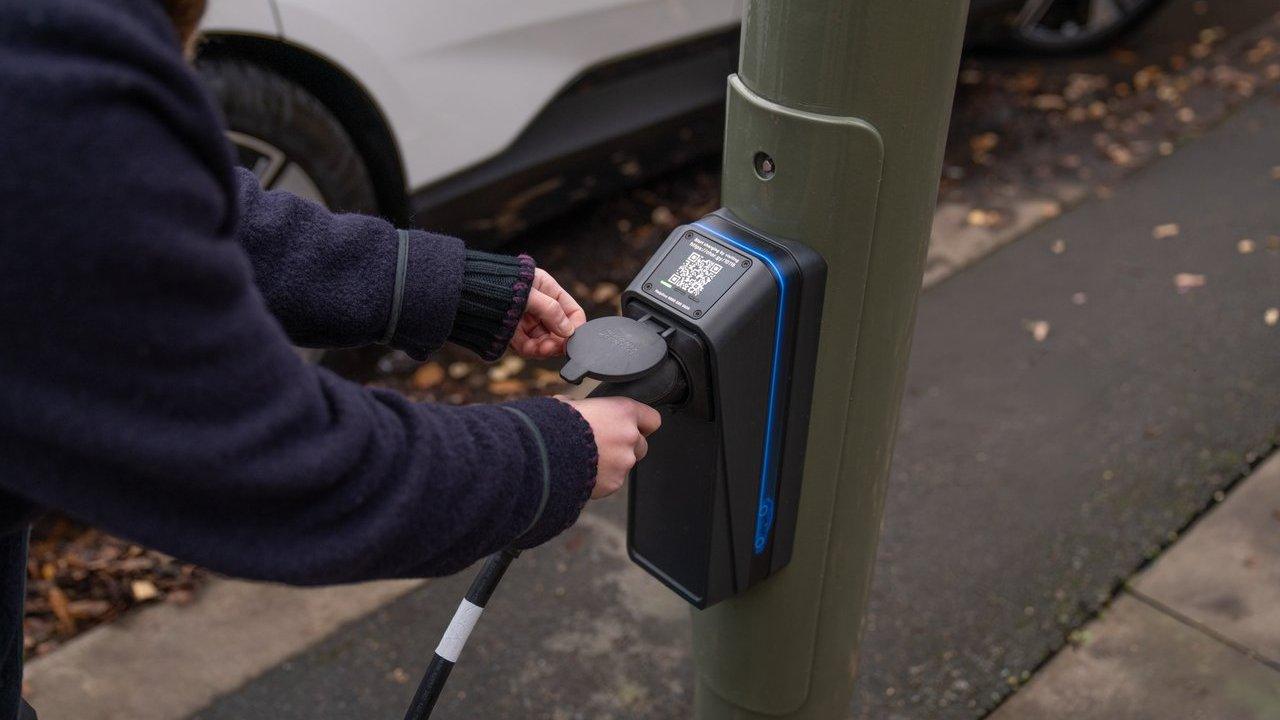
char.gy’s network operates at more than 99% availability, and its hardware is manufactured in the UK. The company has offered the most affordable on-street EV tariff for four consecutive years.
John Lewis, CEO at char.gy, said:
“Councils are choosing char.gy because we turn LEVI projects into working charge points at pace and keep them working. 6,000 charge points in, we are installing faster than ever, and the seven further councils we are working with towards signature mean that pace will keep growing.”
Building Accessible Electric Travel
char.gy’s current delivery programme shows how local authorities are turning LEVI funding into charging infrastructure in areas where private home charging is not available. With projects moving through signature, installation and network replacement stages, the company’s work extends from central London boroughs to coastal and regional council areas.
The test for the sector will be reliable delivery across those locations. For residents without driveways, a well-maintained local charger can make the difference between an EV being a practical option and remaining out of reach.