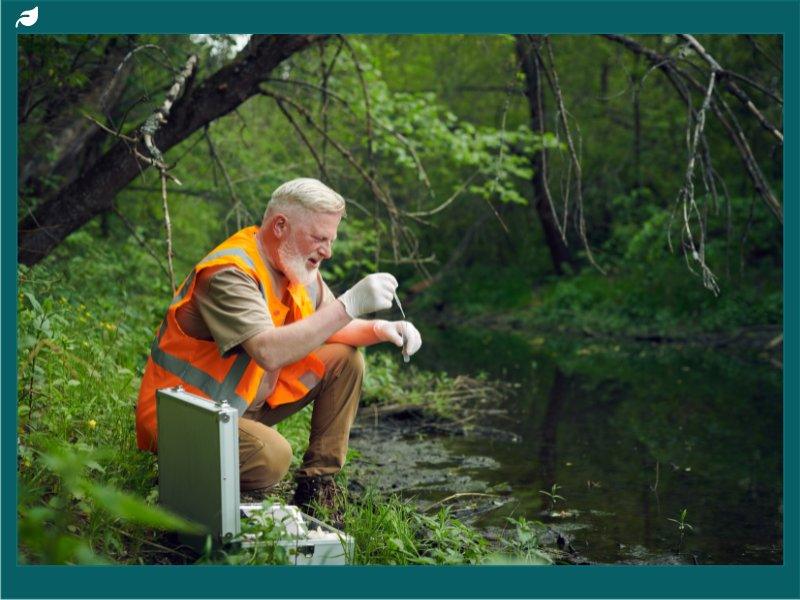
Ecologists work to understand the relationships within ecosystems, unravelling the interactions between living organisms and their environments. These professionals combine fieldwork, research, and data analysis to assess the health of ecosystems, identify biodiversity patterns, and develop conservation strategies. Their work is central to addressing environmental challenges such as habitat destruction, climate change, and pollution. A deeper understanding of ecological processes contributes to sustainable development and the preservation of natural resources, pointing the way toward solutions the planet urgently needs.
What Does an Ecologist Do?
Ecologists play a vital role in understanding the complexities of living organisms and their environment. By focusing on the relationships between organisms and their ecosystems, ecologists study how these interactions contribute to the balance and health of our planet. Their work is central to biodiversity conservation, where they analyse and manage diverse biological environments. Their insights also shape environmental science and policy, supporting sustainable management practices.
Looking closely at the roles of an ecologist reveals their substantial impact on biodiversity conservation and their significant contributions to shaping environmental policies worldwide.
The Role of an Ecologist in Biodiversity Conservation
Ecologists are at the forefront of biodiversity conservation efforts, which is a central part of maintaining the earth’s ecological balance. The role of an ecologist involves conducting work that includes the study of living organisms and their complex environments. Through detailed analysis and fieldwork, ecologists assess how various factors affect biological diversity within ecosystems. This includes examining the interactions among organisms and their ecosystems, and how changes within those systems affect biodiversity.
In environmental science, this kind of research is essential because it helps to identify the web of life that sustains natural habitats. An ecologist’s work goes beyond observation. It involves active management strategies to protect and restore biodiversity. They use their findings to propose and implement conservation plans, aiming to preserve species and rebalance ecosystems disrupted by human activities.
An ecologist’s expertise is therefore important in determining which species are at risk and formulating conservation strategies to protect them. By understanding the relationships within ecosystems, ecologists ensure that conservation efforts are targeted and effective.
Ecologists also play an important part in educating the public and policymakers about biodiversity conservation. Their ability to convey complex ecological concepts in accessible terms helps shape public behaviour and informs environmental policy decisions. Through collaborative efforts with governments and non-governmental organisations, ecologists work to establish protected areas and initiate habitat restoration projects that address ecosystem management in a joined-up way. Their roles frequently lead to solutions in mitigating the impacts of climate change, reflecting the importance of ecological balance in both local and global contexts.
Finally, ecologists’ contributions to biodiversity conservation help preserve the genetic diversity that underpins our ecological heritage. By ensuring a wide variety of organisms continue to thrive, ecologists help maintain the ecosystem services that people depend on, from clean water and air to food resources. This proactive approach sustains natural environments and supports human well-being at the same time. Their research and management strategies help ecosystems remain resilient, adapting to change while continuing to provide essential services.
How Ecologists Contribute to Environmental Policy
Ecologists influence environmental policy in significant ways, blending scientific insight with policy-making to support sustainable practices. Their research in environmental science provides a foundation for understanding how ecosystems function and the impact of human activities on those systems. Through their study of organisms and their environments, ecologists offer data that informs policy decisions aimed at maintaining ecological integrity and promoting sustainable development.
Central to an ecologist’s work in policy is the ability to translate complex ecological data into actionable strategies for environmental management. Their analyses often point to the need for regulatory frameworks that safeguard ecosystems while allowing for responsible economic growth. By assessing the sustainability of various environmental practices, ecologists help formulate policies that balance ecological preservation with human needs.
Ecologists also engage with diverse stakeholders, including government bodies, industries, and the public, to ensure policies are both scientifically sound and socially equitable. Their work involves advocating for policies that protect endangered species and habitats, address climate change, and promote resource management sustainably. By communicating ecological concerns clearly, ecologists influence legislative processes and build public awareness about environmental issues.
Their role in environmental policy also involves ongoing monitoring and assessment of policy impacts on ecosystems. By tracking changes and identifying emerging ecological trends, ecologists provide feedback that helps refine and adapt policies over time. This iterative process ensures that environmental policies stay relevant and effective in addressing evolving ecological challenges.
Ecologists also contribute to the development of international environmental agreements, drawing on their knowledge of global ecosystems and biodiversity issues. Their work supports global initiatives aimed at addressing transboundary environmental challenges such as climate change and habitat loss. By sharing research findings, ecologists help build the scientific consensus needed for international cooperation in environmental governance.
Ultimately, the contribution of ecologists to environmental policy ensures that decisions are grounded in scientific evidence, promoting long-term ecological and societal resilience. Their integration of scientific research with policy-making advances environmental science and helps create a more sustainable future. Through their commitment to understanding and managing ecosystems, ecologists play an important role in shaping policies that safeguard our planet’s natural systems.

Where Do Ecologists Work?
Ecologists are employed across a variety of sectors, contributing to environmental understanding and conservation in each. Their workplaces range from government agencies and educational institutions to non-profit organisations and private sector companies. Ecologists conduct work involving both field research and laboratory studies, uncovering insights into ecosystems’ complexities. Each environment presents its own challenges and opportunities for ecologists to apply their expertise.
Exploring these different settings gives a clearer picture of how ecologists advance ecological knowledge and practice, supporting sustainability and biodiversity in the process.
Exploring Various Settings for Ecologists Work
Ecologists contribute across a wide range of settings, each with its own demands and possibilities. From academic environments to non-governmental organisations and corporate entities, the employment spectrum for ecologists is broad.
In academia, ecologists conduct research and educate future generations about ecological and environmental dynamics. Their work often involves experimenting and testing theories related to ecosystems, species interactions, and environmental change. Academic settings also support collaboration among scientists, enabling ecologists to take part in interdisciplinary projects that deepen the understanding of ecological systems.
Government agencies are another important setting for ecologists. Here, their roles typically involve assessing environmental impacts, advising on policies, and implementing conservation initiatives. Ecologists working in such agencies carry out regulatory functions that protect endangered species and support habitat conservation. They analyse data on environmental quality and advocate for sustainable practices that meet regulatory requirements.
This involvement ensures that ecological considerations are built into decision-making processes, supporting balanced approaches to development and conservation.
Non-profit organisations give ecologists a platform to champion environmental causes and drive grassroots initiatives. These settings focus on conservation work through community engagement and educational outreach, allowing ecologists to communicate important ecological insights to the public. Working with non-profits often involves fieldwork where ecologists directly apply their knowledge to restore habitats, monitor species populations, and conduct environmental assessments. The grassroots nature of these organisations allows ecologists to work closely with local communities, pursuing conservation goals shaped by both social and ecological sustainability.
The private sector is increasingly recognising the value of ecologists. Corporations employ ecologists to help develop sustainable business practices, conduct environmental impact assessments, and oversee compliance with environmental regulations. In these roles, ecologists contribute to designing and implementing strategies that reduce the ecological footprint of business operations. This involvement not only supports regulatory compliance but also builds corporate responsibility, positioning companies as environmentally conscious entities that contribute positively to global ecological health.
The varied settings in which ecologists work show how adaptable their expertise must be. By operating across these different environments, ecologists help bridge gaps between science, policy, and community needs, ensuring that ecological concerns are addressed comprehensively. Their contributions are central to sustainable development practices that benefit both natural environments and human societies. As demand for ecologically based solutions grows, so too will the need for ecologists across all of these settings.
Ecologists in the Field: A Look at Their Daily Work
Fieldwork is a core part of an ecologist’s career, offering hands-on engagement with ecosystems. Out in the field, ecologists interact directly with the environments and living organisms they study, making real-time observations and collecting data that feed into broader scientific conclusions. A typical day for a field ecologist can vary considerably depending on the focus of their study and the ecosystems involved. Whether assessing the health of aquatic systems, monitoring wildlife populations, or studying plant communities, this work is integral to understanding the ecological relationships at play.
Fieldwork begins with careful planning. Specific objectives are set, and methodologies are outlined before anyone heads out. Once in the field, ecologists use a range of techniques to gather data, from direct visual observations to advanced technologies like geographic information systems (GIS), drones, and remote sensors. These tools allow ecologists to collect comprehensive data over large areas efficiently, making it possible to build accurate models of ecological dynamics.
During field studies, ecologists often collect samples from the environment, including soil, water, and biological specimens. Laboratory analysis of these samples allows for detailed examination of ecological conditions such as nutrient levels, pollution indicators, and species composition. The combination of field observation and laboratory work contributes to a complete picture of ecosystem processes and health.
Collaboration is central to fieldwork. Ecologists regularly work alongside other scientists, local communities, and stakeholders, drawing on a range of expertise and perspectives. This collaboration enriches the research and helps ensure findings are relevant to practical conservation efforts. Fieldwork also involves considerable logistical demands, such as adapting to weather conditions and navigating remote environments, which requires ecologists to be adaptable and resourceful.
Through their field activities, ecologists gain direct insights into how ecosystems function and respond to change, whether natural or driven by human activity. These observations are vital for developing habitat restoration strategies, conservation planning, and responding to global environmental challenges including climate change. By bringing field experience back to the scientific community and to policymakers, ecologists help translate complex ecological phenomena into understandable, actionable information.

The fieldwork of ecologists is fundamental to the ongoing effort to conserve and sustain natural environments. By immersing themselves in the field, these scientists develop a strong connection to the ecosystems they study, which drives their commitment to ecological integrity. Their on-the-ground efforts ensure that approaches to managing natural resources are informed by real-world data and grounded in scientific understanding. As ecological challenges continue to develop, fieldwork remains indispensable in providing the foundational knowledge that guides conservation action.
Education Requirements for Ecologists
Understanding the educational pathways for ecologists reveals the foundational skills and knowledge needed to succeed in this field. Aspiring ecologists must work through rigorous academic programmes and obtain relevant certifications to establish themselves professionally. The education requirements for ecologists involve a combination of degrees and targeted research opportunities that provide hands-on experience in studying living organisms and their environments. These requirements prepare ecologists to tackle complex ecological challenges, advocate for sustainable practices, and engage with conservation and environmental policy.
Becoming a Scientist: Necessary Degrees and Certifications
For those aiming to become ecologists, pursuing a relevant degree is the logical first step. The process typically begins with a bachelor’s degree in ecology, biology, or environmental science. These undergraduate programmes build the groundwork through courses in fundamental sciences such as chemistry, physics, and mathematics, alongside specialist courses in ecology and environmental biology. Through such programmes, aspiring ecologists develop skills in data analysis, critical thinking, and ecological research techniques.
Many ecologists go on to pursue further education to deepen their expertise. A master’s degree or doctorate in ecology or a related field becomes important for those interested in research-intensive careers or academic positions. These advanced programmes offer extensive opportunities to work on cutting-edge research, often involving detailed analysis of specific ecological problems, from biodiversity conservation to the impacts of climate change on ecosystems.
Beyond degrees, ecologist certification plays a role in validating proficiency and commitment to the field. Organisations such as the Ecological Society of America (ESA) offer certification programmes that allow professionals to demonstrate their competencies and adherence to industry standards. Such certifications are particularly useful for those pursuing careers in consulting, policy advising, or academic research, where recognised credentials add professional credibility.
Ecological education extends beyond formal degrees and certifications. Aspiring scientists are encouraged to pursue internships and fieldwork opportunities to develop practical skills. Early exposure to hands-on research builds a deeper understanding of ecological concepts and their real-world applications. It’s through direct interaction with natural environments that students learn to navigate the complexities of ecological and environmental dynamics, preparing them for careers as ecologists.
- Participate in environmental projects to gain practical experience and insights.
- Develop strong analytical skills for effective ecological data interpretation.
- Build proficiency in geographic information systems (GIS) for spatial analysis.
- Develop communication abilities to convey scientific findings to varied audiences.
- Engage in networking opportunities for industry connections and collaborations.
- Stay current on ecological trends and research through journals and seminars.
- Volunteer for conservation initiatives to expand professional expertise and impact.
These elements help shape a well-rounded ecologist ready to address environmental challenges.
Research Opportunities in Ecology for Aspiring Ecologists
The field of ecology offers a wide range of research opportunities for aspiring ecologists who want to contribute to science and environmental preservation. Engaging in research provides hands-on experience focused on understanding the relationships between organisms and their ecosystems. Academic institutions and environmental organisations around the world host research projects that give students and early-career professionals the chance to work on meaningful studies in ecology and conservation.
Research in ecology spans a broad range of sub-disciplines, allowing aspiring ecologists to specialise according to their interests. From studying the effects of climate change on species distributions to investigating ecosystem restoration methods, each research opportunity adds to the understanding of ecological science. Participation in these projects often means working alongside experienced ecologists, which provides mentorship and builds technical and analytical skills. These collaborations also help emerging scientists develop networks that can open doors to future career opportunities in academia, policy, or industry.
Field studies are among the most direct avenues for research. Aspiring ecologists can observe ecosystems firsthand and collect data in their natural context. Fieldwork brings theoretical knowledge to life, allowing researchers to test hypotheses in a natural setting. By studying organisms in their natural habitats, researchers gain insight into behaviour, population dynamics, and environmental interactions, all of which matter for conservation strategies.
Laboratory research also plays an important role, with many projects focusing on experimental design and advanced analytical techniques. Aspiring ecologists working in laboratory settings often tackle topics such as genetic analysis, pollution assessment, and the study of microbial communities. These studies contribute to the broader understanding of ecological processes and the effects of environmental change on living systems.
Academic conferences and research symposiums give young ecologists the chance to present their findings, receive feedback, and connect with peers and leading scientists. These events support the sharing of research and help build a community of ecologists committed to advancing ecological knowledge and promoting sustainable practices.
Engaging in research is an invaluable part of an aspiring ecologist’s development. It provides a pathway to build the skills needed for a career, allows active contribution to science, and helps address pressing environmental issues. As research opportunities in ecology continue to grow, they remain an essential part of an ecologist’s education, helping to produce a new generation of scientists dedicated to understanding and preserving biological diversity.
Career Pathways in Ecology
Exploring career pathways in ecology reveals a diverse range of roles and opportunities for ecologists. These professionals drive ecological science and environmental conservation forward, often through specialised roles and ongoing professional development. Building a career in this field involves understanding the job titles and specialisations available, which are central to effective ecosystem management. Networking and professional growth also play a considerable part in career advancement.

As demand increases for sustainable solutions, career pathways in ecology offer promising directions for those committed to environmental stewardship.
Building a Career: Potential Job Titles and Specializations
A career in ecology opens up a wide range of job titles and specialisations that suit different ecological interests. Aspiring ecologists can pursue roles including field ecologist, conservation scientist, environmental consultant, research ecologist, and educator. Each of these titles reflects a specific area of ecological work and represents a route to broader impact. A field ecologist engages in hands-on observation and data collection directly within ecosystems.
A conservation scientist focuses on formulating and implementing strategies to preserve natural habitats. Environmental consultants provide expertise to industries and government agencies, ensuring compliance with environmental regulations and supporting sustainable management practices.
Specialisation within ecology can take many directions. Ecologists may choose to focus on wildlife ecology, marine biology, forest ecology, or urban ecology. These specialisations allow ecologists to develop expertise in particular niches, addressing specific environmental challenges effectively. Wildlife ecologists study species interactions and population dynamics to inform conservation efforts, while urban ecologists work on creating green spaces and integrating sustainable urban planning to reduce the ecological impacts of urbanisation.
These specialisations require ecologists to apply scientific knowledge alongside an understanding of the socio-economic factors that shape ecological conditions.
Beyond traditional roles, the growing emphasis on sustainable practices and biodiversity conservation has created new ecological careers that intersect with technology and policy. Ecological informatics specialists analyse ecological data systems, and policy advisors work on incorporating scientific insights into public policy. These positions reflect the interdisciplinary nature of ecology and the importance of working across sectors to address complex environmental issues.
Professionals in these roles rely on skills developed through rigorous education and practical experience. Competencies in data analysis, project management, ecological modelling, and communication are all important for navigating the challenges of ecological science. To reach these positions, ecologists often pursue continuous learning, acquiring degrees or certifications that strengthen their qualifications. With the ecological sciences developing rapidly, the ability to adapt and expand one’s skill set remains important throughout a career in ecology.
Professional Growth: Networking and Advancement in Ecology
Professional growth in ecology goes beyond acquiring knowledge. It also involves networking and career advancement strategies that broaden an ecologist’s impact and opportunities. Networking gives ecologists the connections needed to progress in their careers, stay informed on current environmental developments, and collaborate on research that advances the field. Membership in professional networks and associations such as the Ecological Society of America (ESA) offers opportunities to connect with peers, gain visibility, and engage in collective environmental advocacy.
These networks typically host conferences, workshops, and seminars where ecologists can exchange ideas, present research, and learn about new developments and technologies.
Continuing education is another component of professional growth. This might include pursuing advanced degrees or certifications, attending specialist training sessions, or engaging in interdisciplinary research collaborations. Staying current with the latest developments in ecological science and sustainability practices helps professionals anticipate industry needs and position themselves as experts in their areas of specialisation. This ongoing development supports career advancement by equipping ecologists with the tools to address emerging ecological challenges and contribute to scientific discourse and policy-making.
Career advancement in ecology often comes through roles that require leadership and strategic thinking. Positions such as project manager, department head, or senior advisor bring greater responsibility and influence. Aspiring leaders in ecology build competencies in management, communication, and strategic planning, which are needed to guide teams, secure funding, and drive conservation initiatives. Proficiency in ecological systems and stakeholder relationship management also becomes important in these roles, given the complex interactions within ecosystems and among the people who have an interest in them.
Ecologists also build their professional profile by contributing articles to peer-reviewed journals and popular science publications, establishing credibility and extending their reach within the scientific community. Engaging with broader media platforms allows ecologists to shape public discussion on environmental issues, advocate for ecologically sound practices, and inform policy at multiple levels. These contributions strengthen an ecologist’s professional standing and extend the reach of their work in promoting ecological and societal sustainability.
The path to professional growth in ecology involves a commitment to lifelong learning, strategic networking, and ongoing contributions to the field. As global challenges including climate change and biodiversity loss intensify, ecologists who navigate these career pathways effectively are well-placed to drive meaningful change and contribute to the evolution of environmental science.
The work of ecologists is vital in addressing pressing environmental challenges such as climate change, biodiversity loss, and habitat destruction. By studying ecosystems, ecologists provide insights that inform sustainable practices and policy decisions, helping to balance human needs with environmental conservation. Their research deepens the understanding of the complex interactions within natural systems and supports the development of solutions to protect our planet. As awareness of environmental issues continues to grow, the role of ecologists will remain essential in guiding efforts to achieve ecological resilience and sustainability.