Sustainability has become a key priority for businesses aiming to reduce their environmental impact while creating more effective workplaces. Interior design supports this goal through the materials, products, and systems used within commercial spaces, all of which influence energy use, resource consumption, and employee well-being. As a result, companies are looking beyond aesthetics and embracing design choices that support long-term sustainability objectives.
This shift is particularly visible in major urban centers such as New York City, where commercial buildings account for a significant share of local energy consumption. As organizations work to meet sustainability targets, they are investing in healthier and more efficient interiors that benefit both people and the planet.
Sustainable Interior Design as a Business Responsibility
Sustainable interior design is no longer an optional enhancement. It has become a key part of responsible business operations. Companies committed to environmental stewardship are evaluating every aspect of their facilities, from furniture sourcing to energy-efficient layouts.
Businesses are also incorporating sustainability into broader environmental, social, and governance strategies. Responsible interior choices help reduce waste, lower resource consumption, and create healthier workplaces. By making sustainable design a priority, organizations can support productivity while advancing long-term environmental goals.
Choosing Eco-Friendly Materials and Sustainable Products
The selection of materials significantly influences the environmental performance of a business interior. Many organizations now prioritize recycled, renewable, and responsibly sourced materials when designing or renovating workspaces. Sustainable flooring, certified wood, and recycled-content furnishings help reduce resource consumption while maintaining durability. Glass is another material worth considering in this context, particularly for partitions and facades that bring daylight deeper into a floor plan. Manufacturers such as Crystalia Glass have pointed to recycled-content and low-emissivity glass as options that can reduce reliance on artificial lighting without compromising structural performance. Paired with sustainable flooring and certified wood, these choices give businesses another way to lower resource consumption while shaping a more open, naturally lit workspace.
Sleep quality also plays an important role in daily performance, making pillows a key part of overall well-being. A supportive pillow can improve comfort, promote proper alignment, and help individuals wake up feeling refreshed. For professionals looking to enhance their sleep environment with a durable and high-quality option, the opportunity to upgrade your pillow in NYC can be valuable in both comfort and long-term wellness. Choosing items with longer life spans also helps reduce waste and encourages more responsible consumption. Whether selecting furnishings for a business interior or products that support better rest at home, thoughtful purchasing decisions can contribute to healthier lifestyles and a more sustainable future.
Energy-Efficient Interiors for a Lower Carbon Footprint
Energy efficiency remains one of the most effective ways to improve the sustainability of commercial interiors. Businesses are adopting LED lighting, occupancy sensors, and smart building technologies to reduce unnecessary energy consumption. Strategic interior layouts can also maximize natural light, decreasing reliance on artificial lighting throughout the day.
These improvements provide both environmental and financial benefits. Lower energy use reduces greenhouse gas emissions while helping businesses manage operating costs more effectively. Employees also benefit from well-lit and comfortable environments that support focus and productivity. By combining efficient technologies with thoughtful design strategies, organizations can create business spaces that align with sustainability goals while delivering measurable performance improvements.
Creating Healthier Spaces for Employees and Communities
A sustainable interior supports more than environmental goals. It also contributes to healthier workplaces. Businesses are increasingly selecting low-emission paints, adhesives, and furnishings to improve indoor air quality. These products help reduce exposure to pollutants that can affect employee comfort and overall well-being.
Health-focused interiors can have a positive impact beyond the workplace. Employees who spend time in cleaner, more comfortable environments often experience better concentration and satisfaction. As organizations prioritize wellness, they demonstrate a commitment to social responsibility while creating spaces that support long-term productivity.
Supporting Circular Economy Principles in Interior Design
The circular economy encourages businesses to keep materials and products in use for as long as possible. Interior design plays an important role in this approach. Instead of replacing furnishings during every renovation, companies are increasingly refurbishing, repairing, or repurposing existing assets to reduce waste.
This strategy lowers the demand for new materials and minimizes the amount of waste sent to landfills. Businesses also benefit from cost savings and more efficient resource management. By extending the life of interior products, organizations support sustainability initiatives while making responsible use of available resources.
Integrating Nature to Promote Well-Being and Sustainability
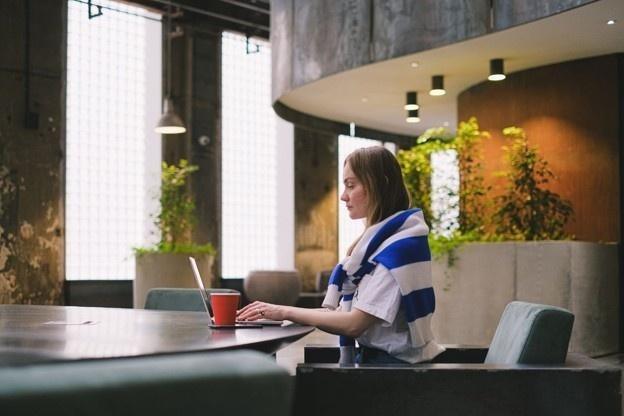
Many sustainable workplaces incorporate natural elements into their interiors to create healthier and more appealing environments. Indoor plants, natural materials, and access to daylight can improve the overall quality of a workspace. These features also help reinforce a company’s commitment to environmentally responsible design.
The benefits extend beyond aesthetics. Research consistently shows that employees perform better in environments that support comfort and well-being. Nature-inspired interiors can contribute to improved focus and reduced workplace stress. As a result, businesses can create productive spaces that align with both sustainability and employee wellness objectives.
The Broader Community Impact of Sustainable Business Spaces
Sustainable interior design can generate positive effects beyond a company’s walls. Many organizations choose to work with local suppliers, responsible manufacturers, and environmentally conscious vendors when sourcing materials and products. These decisions help support regional economies while encouraging more sustainable business practices throughout the supply chain.
Responsible workplace design can also influence employees, clients, and visitors. A thoughtfully designed sustainable space demonstrates a company’s values and commitment to environmental stewardship. By leading through example, businesses can encourage greater awareness of sustainability and contribute to broader community efforts focused on social and environmental progress.
Building a Lasting Impact Through Sustainable Interiors
Sustainable interior design has become an essential component of modern business spaces. From responsible material selection and energy efficiency to wellness-focused environments and circular economy practices, every design decision contributes to a more productive and environmentally conscious workplace. These efforts help organizations reduce their environmental footprint while supporting employee performance and satisfaction.
As businesses continue to strengthen their sustainability commitments, interior design will remain a valuable tool for driving meaningful change. Companies that invest in responsible workplace environments can create lasting benefits for employees, communities, and the environment while positioning themselves for long-term success in an increasingly sustainability-focused world.