New Zealand has masterfully crafted an international identity as a bastion of environmental stewardship. The Māori concept of Kaitiakitanga—a deep sense of guardianship and protection over the sky, sea, and land—is woven into the nation’s fabric. Yet, this clean, green image faces a significant challenge from within: the construction and demolition industry, one of the largest contributors of waste to the country’s landfills. As Aotearoa strives to build a truly circular economy, the search is on for smarter, more resourceful ways to develop.
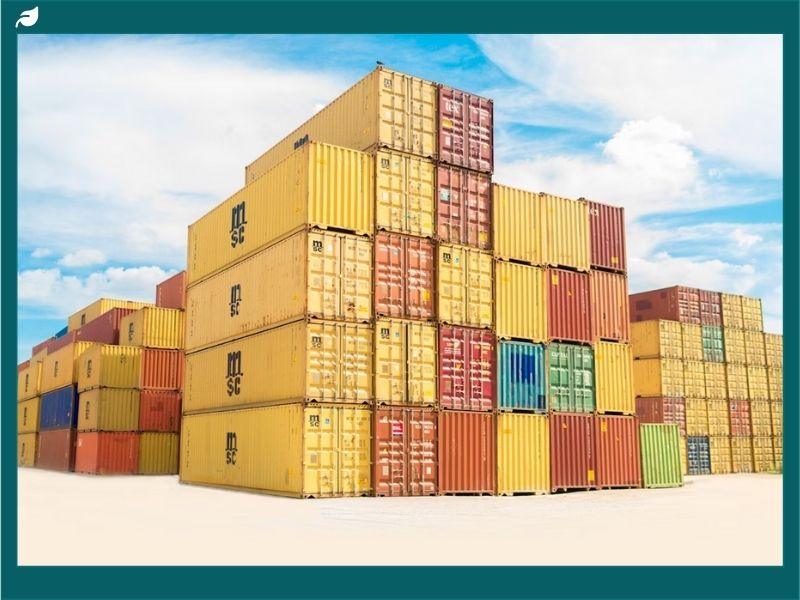
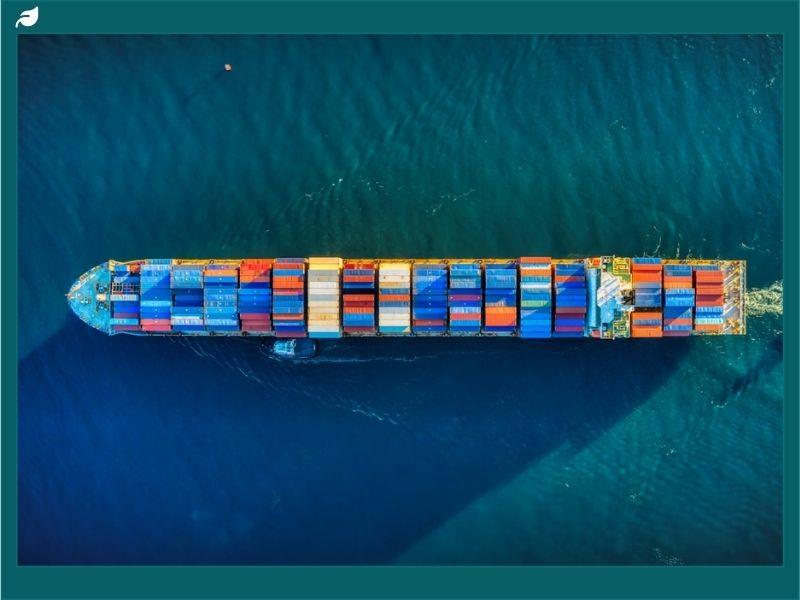
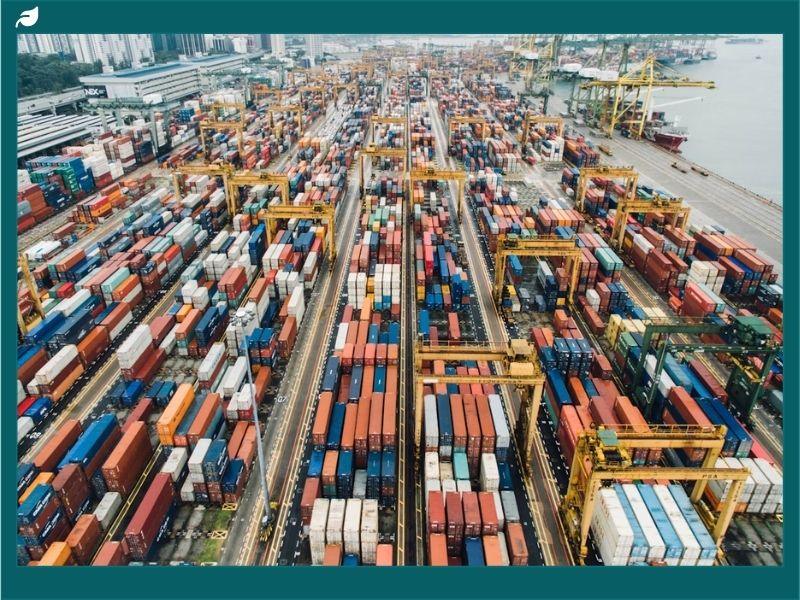
In this quest, an unlikely hero has emerged, not from a laboratory, but from the docks of Tauranga and Auckland. The humble steel shipping container, the workhorse of global trade, is proving to be a powerful and remarkably effective tool for sustainable development. Its journey from a life on the high seas to a second life as a cornerstone of Kiwi innovation offers a tangible path for businesses to reduce waste, build with incredible efficiency, and create a more resilient future.
The Ultimate Recyclable: The Lifecycle Of A Steel Container
To understand the container’s sustainable credentials, you first have to appreciate what it is: a marvel of utilitarian engineering. Constructed primarily from Corten steel, a corrosion-resistant alloy, these boxes are designed to withstand the most brutal conditions on earth. For 10 to 15 years, they endure the punishing cycle of being loaded, stacked, and battered by salty sea spray during their “first life” facilitating global trade.
When a container is retired from shipping, it is far from the end of its usefulness. This is the beginning of its “second life.” It remains a structurally perfect, watertight, and incredibly durable steel module. Its past life of carrying tonnes of cargo means its structural integrity is immense. This is the point where its potential for upcycling is unlocked.
At the absolute end of this second life, decades down the line, the steel itself remains a valuable resource. It is 100% recyclable, capable of being melted down in an electric arc furnace and reformed into high-quality steel products without any degradation. This perfect, closed-loop lifecycle is why savvy businesses across New Zealand are looking at high-quality used Boxman containers not as a disposable product, but as a strategic, long-term asset in the circular economy.
From Global Trade To Local Ingenuity: Upcycling In The New Zealand Context
The adoption of shipping containers for construction aligns perfectly with New Zealand’s famous “No. 8 wire” mentality—a spirit of resourceful innovation and making do with what you have. Kiwi ingenuity has transformed these simple steel boxes into an astonishing array of functional and stylish structures. The most iconic example was the Re:START Mall in Christchurch, a vibrant pop-up retail precinct that literally breathed life back into the city centre following the devastating earthquakes.
This spirit continues today. Across the country, you’ll find containers repurposed as pop-up cafes and bars, modular classrooms to help schools cope with growing rolls, secure site offices for major infrastructure projects, and even stunning, architecturally designed permanent homes. This approach directly tackles the problem of construction waste.
By modifying the container off-site, the waste generated in a controlled workshop is minimal compared to the mess of a traditional building site. Furthermore, the modular nature of containers often requires less invasive foundation work, preserving the land and minimising the ecological disruption.
More Than A Box: The In-Built Efficiencies Of Container Construction
The sustainability of using shipping containers goes far beyond simple recycling; efficiency is engineered directly into their DNA. Their original purpose dictates a level of strength that provides a cascade of benefits in their second life as building materials.
First is their immense structural integrity. Shipping containers are designed to be stacked up to nine high when fully loaded with cargo. This means for a single or double-storey building, their inherent strength often far exceeds standard building code requirements. This reduces the need for additional structural framing, saving on both materials and costs.
Second is the benefit of off-site modification. The bulk of the construction work—cutting openings, installing insulation, running services—can be completed in a factory setting. This controlled environment is not only more efficient but also dramatically reduces the on-site impact. For the surrounding community, it means less noise, less dust, and less traffic congestion. For the project timeline, it means a much faster assembly on-site, getting the building operational sooner.
Finally, containers embody the “reuse” principle of the circular economy through their portability. A container-based site office, lunchroom, or ablution block used on a major roading project is not demolished at the end of the job. It is simply lifted onto a truck and moved to the next site, ready to be used again and again, eliminating the waste cycle entirely.
The Business Case: Aligning Profitability With Kaitiakitanga
For any New Zealand business, adopting sustainable practices must also make good commercial sense. Using upcycled steel containers is a clear case where profitability and responsibility are perfectly aligned. Embracing this method is a form of practical Kaitiakitanga, demonstrating a genuine commitment to resource guardianship that strengthens a company’s brand and its social license to operate.
The economic advantages are compelling. Faster project timelines from off-site construction lead to an earlier return on investment. The sheer durability of Corten steel ensures an incredibly long asset life with minimal maintenance costs. In many cases, the total project cost is significantly lower and more predictable than conventional construction methods.
In today’s market, a visible commitment to sustainability is also a powerful marketing tool. It attracts environmentally-conscious customers, talented employees, and investors who want to align themselves with businesses that reflect New Zealand’s core green values.
Wrapping Up
The steel shipping container is a testament to the idea that the most effective solutions are often the simplest. It is far more than a logistics tool; it is a building block for a smarter, more resourceful, and more sustainable New Zealand. Its remarkable lifecycle—from a durable first use in global trade to an innovative second life in local construction, and its ultimate recyclability—makes it a perfect fit for the nation’s circular economy ambitions.
By embracing strong, simple, and sustainable solutions like the steel container, Kiwi businesses are not just building structures; they are leading the way in building a more resilient and prosperous Aotearoa for generations to come.