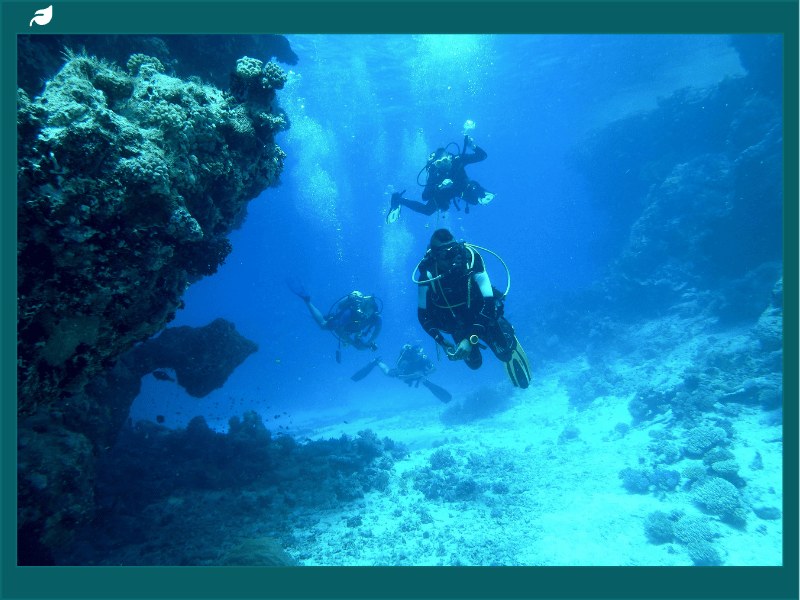
Reef safe sunscreen is important for safeguarding marine ecosystems, offering effective UV protection while minimising harm to the ocean. Traditional sunscreens often contain chemicals like oxybenzone and octinoxate, which contribute to coral bleaching and disrupt marine life. Switching to reef safe options, formulated without these harmful substances, supports the health of coral reefs and marine biodiversity. This helps preserve remarkable underwater environments and promotes sustainable tourism by protecting the very places that draw millions of visitors each year.
Choosing reef safe sunscreen is an easy yet meaningful way to contribute to ocean conservation.
Understanding the Impact of Sunscreen on Marine Life
The increasing use of sunscreens poses a significant threat to marine ecosystems. Chemical components such as oxybenzone and octinoxate have been linked to harmful effects on coral reefs, contributing to coral bleaching and disrupting delicate marine ecosystems. Awareness of sunscreen pollution, and proactively selecting reef-safe products, can play an important role in preserving marine life’s future. Consumers who switch to reef-safe options can protect the rich biodiversity of our oceans and help ensure marine ecosystems continue to thrive.
How Sunscreens Affect Coral Reefs
Coral reefs support complex ecosystems and serve as critical habitats for numerous marine species. The infiltration of sunscreen chemicals into the ocean, however, is a growing threat to these underwater environments. Sunscreen pollution, primarily from chemical-based sunscreens containing oxybenzone and octinoxate, plays a substantial role in coral bleaching. These chemicals inhibit coral reproduction, impair coral DNA, and increase vulnerability to climate change.
When tourists apply sunscreen before diving or snorkelling, they unknowingly contribute to the ongoing degradation of coral reefs. Even a minuscule amount can be detrimental, with studies showing adverse effects at concentrations as low as a few parts per trillion.

Understanding how chemical sunscreens impact coral reefs matters for reversing damage trends. Transitioning to reef-safe sunscreen products is one concrete step toward protecting these marine structures. Such efforts are vital for the ocean’s health, maintaining the biodiversity that marine life depends on and protecting ecosystems and the economic activities that rely on coral reefs.
Sunscreen Ingredients Harmful to Ocean Ecology
Sunscreen provides essential protection against harmful UV rays, but it can simultaneously cause serious damage to ocean ecology. Among the most harmful chemicals found in conventional sunscreens are oxybenzone and octinoxate. These ingredients cause coral bleaching by increasing coral susceptibility to viral infections and triggering hormone disruption in various marine species, interfering with life cycles fundamental to marine organisms. These chemicals can be found in large quantities in ocean environments due to their widespread global use.
Chemical sunscreens can also influence fish behaviour and negatively affect species reproduction. Because these substances are insoluble, they accumulate in the environment and compound the harm to marine ecosystems.
It’s important, then, for consumers to know what’s in their sunscreen products. Choosing reef-safe alternatives free from these harmful chemicals can help reverse widespread damage and contribute to sustainable marine conservation. By supporting ocean-friendly products and practices, the public can engage in meaningful conservation efforts that protect marine life for future generations.
Choosing Safe Sunscreens for Ocean Protection
Protecting our oceans means paying careful attention to everyday products that have long-term impacts on marine life. Safe sunscreens, particularly those labelled as reef-safe, are essential for reducing the harm that traditional chemical sunscreens inflict on delicate marine ecosystems. These products use mineral UV-blocking ingredients such as zinc oxide and titanium dioxide, offering effective sun protection while being far less harmful to ocean life. Knowing what to look for when selecting reef-safe sunscreens is important for anyone concerned about marine conservation.

What Makes a Sunscreen Reef Safe?
Reef-safe sunscreen is formulated to minimise negative impacts on marine ecosystems, particularly coral reefs, which are highly sensitive to chemical pollutants. Unlike chemical sunscreens, which often contain ingredients harmful to marine life, reef-safe products use mineral UV-blocking ingredients like zinc oxide and titanium dioxide. These mineral options create a physical barrier against the sun’s rays without harming marine species. Studies have shown that traditional chemical sunscreens can lead to coral bleaching, impair coral reproduction, and disturb marine ecosystems.
Adopting reef-safe sunscreens is a significant step toward marine conservation. As consumers grow more aware of the dangers posed by chemicals like oxybenzone and octinoxate, which have been linked to coral bleaching, demand for safe sunscreen options grows. This shift has been supported by organisations like the Oceanic Society, which educates people on the need to use products that protect both human health and marine biodiversity. By choosing sunscreens with mineral UV filters, consumers play an active role in protecting marine ecosystems.
The benefits of using reef-safe options include:
- Reduces the risk of coral bleaching and supports coral regeneration efforts
- Helps maintain the balance and health of aquatic ecosystems
- Encourages sustainable tourism practices in marine-rich destinations
- Supports brands committed to environmental protection
- Supports legislation aimed at banning harmful sunscreen ingredients
- Promotes education on sustainable product choices
- Builds a community of environmentally aware consumers
Top Tips for Selecting a Safe Sunscreen
Choosing a safe sunscreen means weighing both its effectiveness and its environmental impact. For those who want to protect marine life, opting for reef-safe sunscreen is essential. These products should primarily contain mineral UV-blocking ingredients such as zinc oxide and titanium dioxide, which protect against the sun’s harmful rays without harming marine ecosystems. Consumers are also encouraged to look for products explicitly labelled as “reef-safe” or “ocean-friendly,” as this typically indicates the sunscreen is free from harmful chemicals known to disrupt marine environments, such as oxybenzone and octinoxate.
Another practical tip is to choose a mineral sunscreen that offers broad-spectrum protection and water resistance. Spending time in and around water means selecting products that remain effective without requiring frequent reapplication, which reduces the environmental footprint. Supporting brands that actively engage in sustainable practices and contribute to marine conservation can extend that impact further. Brands that partner with the Oceanic Society or similar organisations often produce products designed to protect both people and ocean ecosystems.
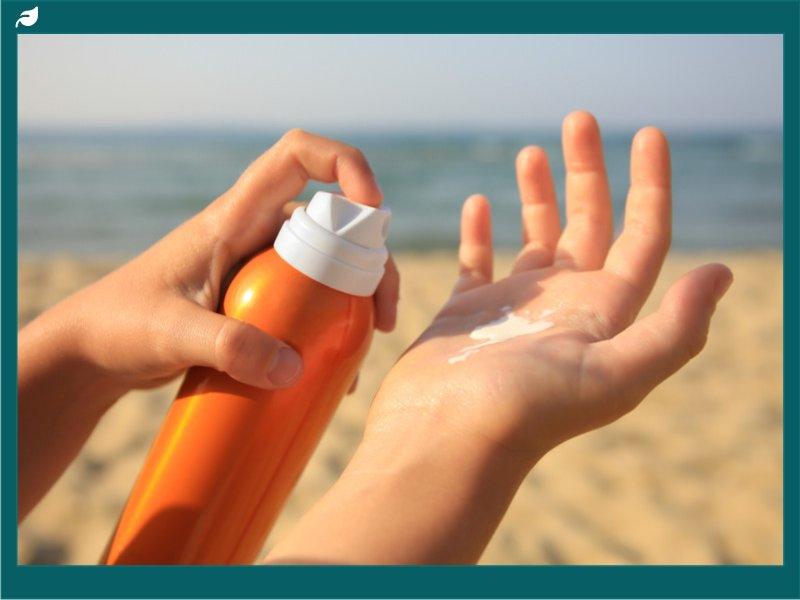
As more consumers demand safe sunscreens, the variety of available options continues to grow, offering choices tailored to individual needs. These efforts collectively help protect our marine environments from the ongoing threat of sunscreen pollution.
Contributions of the Oceanic Society to Marine Conservation
The Oceanic Society plays an important role in marine conservation, using its resources and strategies to protect marine ecosystems from the adverse impacts of activities such as tourism and chemical use. By promoting awareness of sunscreen pollution and advocating for reef-safe products, the Society actively contributes to protecting coral reefs and marine life. The organisation provides education on the importance of reef-safe sunscreen and engages in initiatives that work to reduce the effects of harmful chemicals like oxybenzone and octinoxate on oceanic ecosystems.
Learn About the Oceanic Society’s Initiatives
The Oceanic Society’s initiatives focus on education, advocacy, and direct conservation actions to protect marine ecosystems. By promoting reef-safe sunscreen use, they address the harmful effects of chemicals like oxybenzone and octinoxate, which contribute to coral bleaching and ecosystem disruption. The Society’s educational programmes aim to inform the public about the importance of choosing reef-safe options, raising awareness about how these choices can protect marine biodiversity. They promote the use of mineral UV-blocking ingredients such as zinc oxide and titanium dioxide as friendlier alternatives for coral reefs and marine life.
The Oceanic Society also implements conservation projects that directly target the preservation of marine life, including coral reef ecosystems. These projects often involve collaborations with local communities, scientists, and policymakers to develop strategies that ensure sustainable marine practices. By building partnerships across different sectors, the Society works toward a unified approach to marine conservation. Their initiatives include scientific research to monitor reef health, community outreach to promote sustainable practices, and policy advocacy to shape environmental regulations.
In tackling sunscreen pollution, the Society’s efforts extend to advocating for policies that support the ban of harmful chemicals in sunscreen products. Their strategies aim to shape consumer behaviour by encouraging informed choices and supporting brands that offer eco-friendly options. As the Oceanic Society continues to expand its initiatives, it remains dedicated to protecting the health of our oceans and the future of marine biodiversity. These efforts address the pressing issues facing our oceans today and lay the groundwork for long-term solutions that ensure the resilience and preservation of marine ecosystems.
Transitioning to reef-safe sunscreen is a simple step anyone can take to contribute to marine conservation. By choosing products that exclude harmful chemicals, individuals can protect their skin and promote healthier ocean ecosystems. With growing awareness, consumers have real power to drive change by supporting companies dedicated to sustainable practices. As ocean health declines globally, collective efforts toward eco-friendly choices will be important in preserving the Earth’s natural environments for future generations.