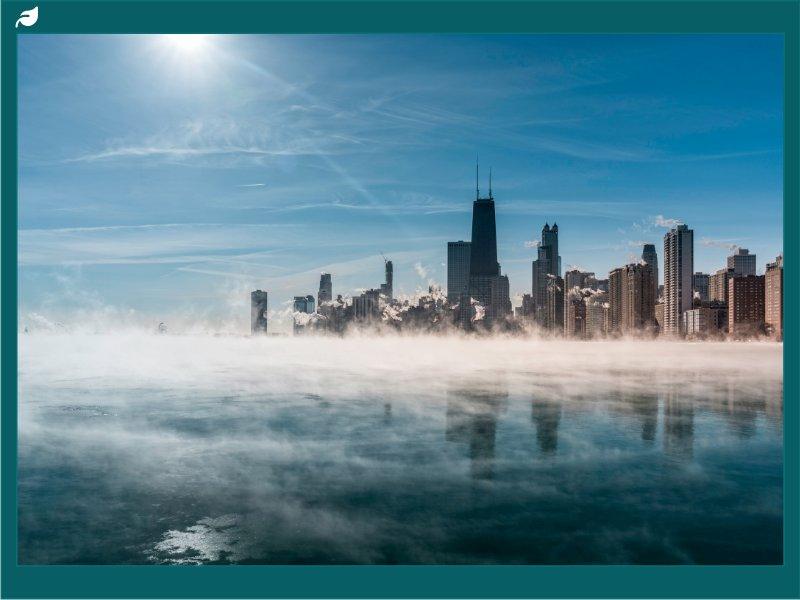
The unexpected onset of a polar vortex in September 2025 has brought an early cold spell to North America, raising concerns over weather patterns and energy demands. This unusual climatic event has surprised meteorologists and posed real challenges for residents unprepared for such drastic temperature shifts. By examining this phenomenon, we can gain useful insights into the implications of sudden atmospheric changes and the potential impact on agriculture, infrastructure, and the economy. This analysis aims to provide a thorough understanding of the unprecedented early cold anomaly and its significance for both North America and the broader global climate.
Understanding the Polar Vortex Phenomenon
The polar vortex is a critical aspect of Earth’s climate system, especially in polar regions, influencing weather patterns dramatically. Originating in the stratosphere, the polar vortex consists of strong upper-level winds circling the poles, trapping cold air. Understanding this vortex matters because its disruption can lead to severe cold air outbreaks that affect North America’s temperatures significantly. Examining how the polar vortex shapes weather patterns, along with the role of stratospheric warming, provides insights into the climate dynamics currently affecting North America, and particularly the early cold anomaly in September 2025.
How the Polar Vortex Influences Weather Patterns
The polar vortex is a massive cyclonic circulation centred around the poles, and it plays a major role in shaping weather patterns across the Northern Hemisphere. Situated predominantly in the stratosphere, the polar vortex tends to be stable during winter months, containing frigid arctic air. When disturbed, though, it can spill cold air from polar regions into mid-latitudes, affecting North America’s winter weather with severe cold air outbreaks. Its influence extends across both poles, but it particularly affects North American weather because of its complex interaction with regional climate systems and warm tropical jets.
A primary characteristic of the polar vortex is the oscillation between strengthening and weakening. When it weakens due to phenomena like stratospheric warming, cold air masses can escape, resulting in sharp temperature drops. These intrusion events can modify long-term weather impacts, causing extended cold spells that disrupt typical seasonal patterns. This alteration often coincides with increased warming in the stratosphere, where polar warming runs sharply counter to the prolonged cold conditions experienced at ground level.
The polar vortex’s impacts don’t stop at temperature changes. They also contribute to broader climate dynamics, influencing storm tracks, precipitation patterns, and the distribution of cold air from polar regions. Its effects can be seen in severe winter storms that develop quickly across Europe, Asia, and North America. In recent years, awareness has grown around how these atmospheric ripples affect lives, economies, and ecosystems.
That’s a strong reason why understanding this stratospheric vortex matters more than ever in weather forecasting, particularly given this year’s unusual September onset of cold temperatures.

The polar vortex produces a range of effects on global weather patterns:
- Intensified storm systems leading to severe winter weather events.
- Unseasonable cold fronts affecting agriculture and crop yields.
- Altered jet stream patterns disrupting regular weather cycles.
- Increased frequency of polar air mass intrusions into temperate zones.
- Greater precipitation variability affecting water resources.
- Shifts in climatic conditions altering regional habitat zones.
- Economic consequences from weather-related disruptions.
The Impact of September Stratospheric Warming
Stratospheric warming, particularly in September, has significant influence over the polar vortex and subsequently affects weather systems across North America. Stratospheric warming is a rise in atmospheric temperatures in the stratosphere, the layer sitting above the troposphere where intense meteorological activity occurs. When the stratosphere warms unexpectedly, as happened in September 2025, it directly affects the stability of the polar vortex. This warming can weaken the vortex, causing it to displace or split.
This September’s stratospheric warming has been notably intense, pushing the polar vortex to contort and bringing unprecedented early cold conditions across North America’s plains and eastern regions. The influx of cold polar air triggers weather phenomena including sudden severe storms, heightened snowfall, and prolonged frigid periods, causing significant disruption to normal life and economic activity.
Scientific discussion has increasingly linked the frequency of stratospheric warming events to climate change. As polar regions record warmer temperatures, atmospheric dynamics shift, leading to more frequent and unpredictable disruptions of the polar vortex. This September’s early cold anomaly could be another data point reflecting these ongoing climate shifts. Understanding this connection matters not only from a meteorological standpoint but also to adequately prepare for future weather impacts tied to polar and stratospheric dynamics.
Through continued study of the polar vortex’s behaviour and stratospheric changes, forecasting models can anticipate future anomalies more accurately, potentially reducing the severity of vortex impacts. Developing early warning systems and improving public awareness are both part of the push to deepen our understanding of these atmospheric mechanisms. Policymakers and environmental strategists need to treat these findings as essential input when setting adaptive measures against the climate challenges posed by the polar vortex and stratospheric warming.
September Polar Vortex 2025: A Unique Event
This September marks an extraordinary occurrence with the polar vortex, bringing an early cold anomaly across North America. As stratospheric dynamics unfolded, this year’s September polar vortex defied the patterns typically associated with mid-winter months. The anomaly has implications not only for immediate weather impacts but also for understanding broader atmospheric shifts. By examining the causes behind this early cold anomaly and comparing it with past polar vortex events, we can gain insight into how climate shifts affect polar and subpolar regions and how climate phenomena continue to evolve on a global scale.
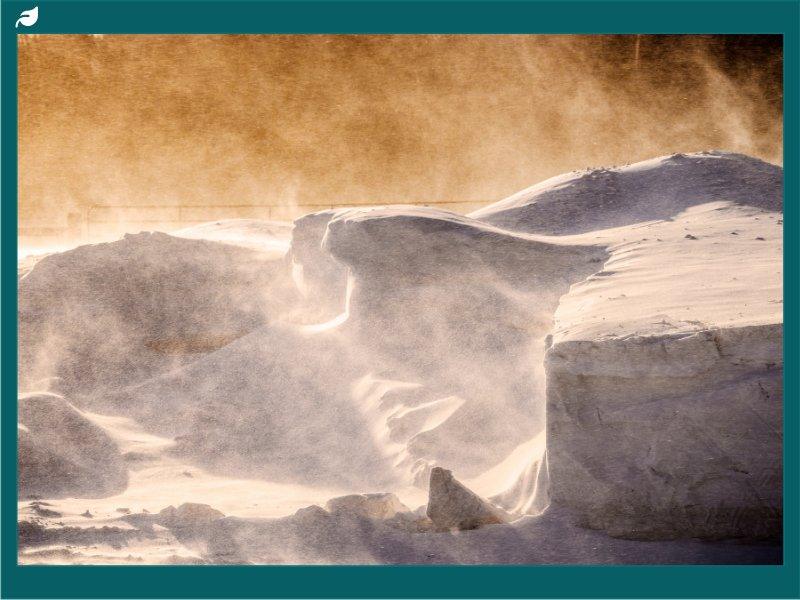
Analyzing the Causes of the Early Cold Anomaly
The early cold anomaly observed in September 2025 can be attributed to several interconnected factors tied to the polar vortex’s behaviour and its interactions within the wider atmospheric system. One significant driver is the vortex weakening caused by unexpected stratospheric changes. As seen in previous years, stratospheric warming events, which are typically episodic and occur deeper into the winter season, disrupted polar stratospheric stability in an uncharacteristic manner this year. These alterations caused a premature release of cold air, deviating from the usual weather patterns expected in early autumn across North America.
The polar vortex, a critical component of Earth’s atmospheric circulation, encountered conditions that led to its destabilisation, effectively allowing arctic air to push toward lower latitudes. This shift intensified cold air invasions, leaving regions like the Midwest and Northeast dealing with temperatures more typical of mid-winter, well outside the norm for September. The interaction between abnormal atmospheric pressure distributions and jet stream dynamics compounded these effects, intensifying polar and cold air incursions that were already worsened by alterations in the stratosphere.
Beyond natural atmospheric dynamics, ongoing climate change also contributes to the shift in traditional polar patterns. The gradual warming of the Arctic, a phenomenon that significantly alters polar vortex behaviour, plays a substantial role. This warming affects the thermal gradient that stabilises the stratosphere, leading to more frequent stratospheric warming and subsequent polar vortex weakening. The September 2025 cold anomaly is a clear example of how these shifts might signal future climatic disruptions, pointing to the urgency of reassessing global climate strategies.
Understanding these elements clarifies present conditions and helps anticipate the potential long-term impacts of such anomalies, which in turn helps refine climate adaptation measures.
Comparing with Past Polar Vortex Events
Placing the September polar vortex of 2025 against past events provides a fuller understanding of its particular characteristics. Traditionally, polar vortex disturbances are more associated with winter months, with January often seeing severe cold impacts from vortex disruptions. This year’s September occurrence stands apart because of its earlier-than-usual onset, prompting a rethink of established seasonal patterns.
When comparing the current event with past disturbances, several differences stand out. Past events, especially those noted in 2014 and 2019, typically unfolded after a progression of colder months marked by gradual stratospheric and atmospheric changes. Those historic events followed more predictable patterns, with cold air producing significant winter storms and prolonged cold spells mostly during peak winter. By contrast, the early 2025 anomaly adds complexity to seasonal forecasting by showing how pre-winter scenarios can produce significant cold air incursions, rapidly reshaping autumn conditions into something resembling winter.
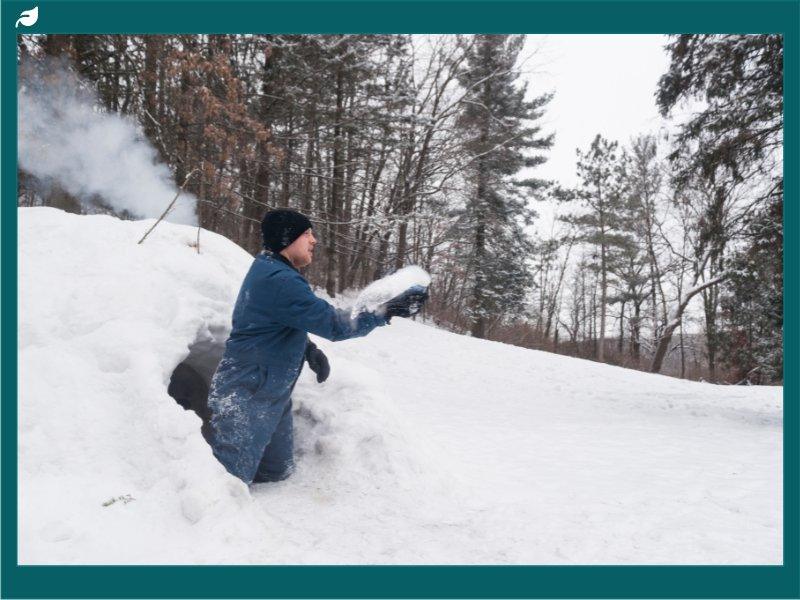
This September anomaly also challenges historical interpretations of stratospheric variability. The distinctive timing and intensity give this event a peculiar status, suggesting a rise in the frequency and unpredictability of such cold anomalies due to climatic shifts. These shifts include increased occurrences of tropical-extratropical interactions that modify jet streams and consequently affect vortex stability.
Analyses of past polar vortex events provide data that situates this year’s event within a broader continuum in the evolving climate narrative. To fully understand the uniqueness of the 2025 polar vortex, scientists need to carry out comparative assessments involving previous records, focusing on anomalies in stratospheric conditions, temperature profiles, and atmospheric pressure patterns. By bringing together past and present data, meteorologists and climate specialists can better chart the course of future weather anomalies, assess their socio-economic impacts, and improve predictive climate models for more timely forecasts. Establishing these links points to the importance of comprehensive research into polar vortex variations, with the aim of reducing adverse weather impacts and adapting to potential future climate scenarios.
Predicting Weather Patterns During a Cold Outbreak
The early onset of the polar vortex in September 2025 has triggered unexpected weather patterns, pushing North American climates toward conditions normally reserved for mid-winter. This anomaly has produced severe cold outbreaks, affecting regional weather systems considerably. As atmospheric scientists study this phenomenon, understanding the vortex’s role in weather forecasting becomes essential for anticipating future shifts. The disruption of temperature gradients and stratospheric dynamics presents real forecasting challenges.
Effects on North American Weather Systems
The unexpected behaviour of the September 2025 polar vortex has cast a chilling influence over North American weather systems, reshaping the forecast picture and delivering an early taste of winter’s severity. The pole-centred stratospheric vortex, rather than providing stability, weakened and allowed arctic cold air to spill southward, well above the usual seasonal expectation. The magnitude of this cold outbreak was worsened by existing climate factors, including atypical vortex strength and surprising stratospheric warming episodes. These dynamics drove temperatures down, bringing snow and wind storms that diverge sharply from traditional autumn conditions.
The stratosphere’s early-season warming played a central role. In September, the vortex typically remains strong enough to contain frigid air, yet this year, disruptions prompted substantial north-to-south cold air flows. These incidents weren’t isolated. Across vast regions of North America, temperatures dropped significantly below average.
For meteorologists, producing a reliable forecast under these volatile conditions has been distinctly difficult. The polar vortex breakdown skewed the usual predictability models, creating anomalies across standard climate zones. The resulting snow and severe weather have placed strain on communities, demanding urgent adaptive responses. Some areas faced snowfall rates not normally seen until later months, while others experienced cold snaps that disrupted local economies and infrastructure.
Looking ahead, it’s clear that forecasting models must adapt to these unexpected changes. Historical reliance on predictable vortex behaviour must now account for these rapid, unseasonal shifts. Dissecting the interdependencies between stratospheric temperatures, jet streams, and polar vortex oscillations becomes essential. To reduce severe impacts and improve readiness, scientists are turning to advanced climate modelling tools, aiming to sharpen forecast accuracy amid these anomalies.
Adapting to this new climate reality means combining current insights with historical data to build a deeper understanding of the stratosphere’s complex behaviour. These efforts are directed at improving predictive accuracy and ensuring that economic and policy measures are responsive to these meteorological anomalies.
As we assess the impact of the polar vortex, understanding its nuances remains important for reducing its effects. This early cold anomaly points to an urgent need for adaptive strategies in urban planning and energy consumption. As North America contends with these unusual patterns, stakeholders must focus on resilience and sustainability to address potential disruptions. Investing in more efficient infrastructure and emergency readiness will help communities withstand the challenges posed by extreme weather conditions.