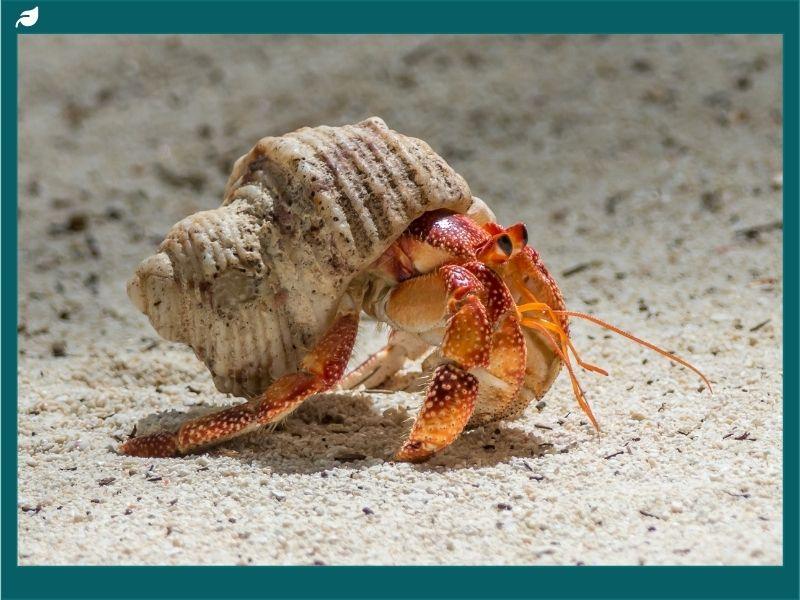
Hermit crabs, with their unique habit of inhabiting discarded shells, have long captured human fascination. Yet, growing environmental threats and habitat disruption raise concerns about their survival. While not all hermit crab species are currently endangered, the impact of climate change, pollution, and habitat destruction could jeopardize their populations. Understanding and addressing these threats is crucial to ensure their continued presence in coastal ecosystems and the myriad roles they play within them, including nutrient cycling and serving as food for other species.
Understanding Hermit Crab Species and Their Habitats
Hermit crabs are fascinating creatures, displaying a remarkable adaptation to various habitats across the globe. These crustaceans, often known for their dependency on shells, can be classified into distinct groups based on their habitat preferences, primarily marine hermit crabs and land hermit crabs. While marine hermit species dwell in coastal oceans worldwide, their land counterparts, such as the popular Coenobita clypeatus, inhabit tropical and subtropical shores. Each species exhibits unique adaptations to thrive in their specific environments. Let’s delve into the distinct characteristics of these intriguing hermit crab species and their natural habitats.
The Diverse World of Marine Hermit Crabs
Marine hermit crabs populate the vast and varied landscapes of the ocean, making them one of the most adaptable crab species in the marine world. These crabs live in coastal regions, often found scavenging along the seabed, coral reefs, and tide pools. Marine hermit crabs, part of the larger crustacean family, have made an art of carrying borrowed shells on their backs, a behavior necessitated by their soft, vulnerable abdomens. The shells provide crucial protection from predators, making the quality and availability of shells a critical resource in their survival. These crabs have evolved alongside abundant marine shell species, meaning they must be resourceful if the right fit is unavailable. They also possess the adaptability needed to swap shells as they grow, a practice often observed in the wild as a form of social interaction. By thriving in environments from the intertidal zone to deep-sea environments, marine hermit crabs demonstrate ecological flexibility unmatched by many other sea creatures. The study of these crabs offers insights into the broader ecology of coastal and offshore marine environments, highlighting how diverse and integral they are to ocean biodiversity.
| Hermit Crab Type | Primary Habitat | Key Adaptations | Ecological Role |
| Marine Hermit Crabs | Seashores and Ocean Bed | Utilizes shells for protection; gills adapted for aquatic respiration | Scavengers, contributing to nutrient cycling in marine ecosystems |
| Land Hermit Crabs | Tropical Forests and Beaches | Modified gill chambers for terrestrial life; periodic shell exchange | Decomposers, aiding in the breakdown of organic matter on land |
| Intertidal Hermit Crabs | Rocky Shores and Tidal Pools | Resilient to changing tides; can survive temporary exposure to air | Important in controlling algal growth and maintaining habitat balance |
| Deep Sea Hermit Crabs | Abyssal Plains and Hydrothermal Vents | Adapted to extreme pressures; unique associations with symbiotic organisms | Part of deep-sea food webs; contribute to ecosystem diversity and stability |
This table illustrates the varied habitat preferences, adaptations, and ecological contributions of hermit crab species worldwide.
Land vs. Sea: Different Environments for Hermit Crabs
Land hermit crabs, like the Coenobita clypeatus, offer a contrasting lifestyle to their marine counterparts. Predominantly found in humid tropical locales, these land-dwelling crabs spend the majority of their lives out of water, relying on terrestrial habitats to meet their biological needs. Despite their terrestrial nature, land hermit crabs maintain a fundamental connection to the sea, requiring proximity to saltwater for reproduction and shell maintenance. Their land habitat typically includes sandy beaches and forested areas, environments that offer a plethora of shells for their protective use. The land hermit crabs’ existence hinges on the availability of appropriate shells, though the competition for these shells can be fierce. The ecological role of land crabs involves nutrient recycling in ecosystems where they reside, contributing significantly to the breakdown of organic matter. Conversely, marine hermits are more tuned to the ever-changing littoral environments, where the availability of resources can fluctuate with tides and weather. Distinct from their sea counterparts, land crabs have developed adaptations such as the ability to store water in their gill chambers to remain hydrated while on land. These unique adaptations underscore the diversity and complexity of hermit crab species, demonstrating how they have evolved to thrive in their respective environments.
The Unique Features of Coenobita Clypeatus
Coenobita clypeatus, known as the Caribbean hermit crab, stands out through its distinct adaptations that enable a life on land. This remarkable species exhibits an array of features tailored to terrestrial existence, diverging significantly from its marine relatives. Central to their survival is their choice of shelters, a decision that impacts not only their protection but also their mobility and well-being. Examining the adaptations and shelter preferences provides insight into the unique evolutionary path of Coenobita clypeatus, highlighting its resilience and versatility in thriving outside aquatic environments.
Adaptations of the Land-Dwelling Coenobita Clypeatus
The land-dwelling Coenobita clypeatus has evolved several adaptations to thrive in environments starkly different from those of ocean-dwelling crabs. While marine hermit crabs are heavily dependent on water to breathe, Coenobita clypeatus has developed a modified gill chamber that allows it to extract oxygen from the humid atmosphere of its tropical habitats. This adaptation is crucial, enabling them to roam sandy beaches and forested areas without the constant need for submersion. In addition, they can conserve water within their body, vital for maintaining moisture and surviving in varied terrestrial climates. Their shell, an essential aspect of their survival, offers more than just protection; it aids in minimizing water loss and provides a microclimate for humidity retention. These shells, borrowed from other creatures like snails, are meticulously selected to optimize support while moving around the land. The adaptation of carrying a mobile shelter has made it possible for Coenobita clypeatus to explore large territories in search of food and mates. Furthermore, these crabs have developed sturdy legs capable of climbing and traversing diverse terrains, enhancing their exploratory capabilities. The ability of Coenobita clypeatus to adapt its physiological and behavioral strategies has allowed it to become an enduring symbol of resilience in ecosystems where survival hinges on flexibility and resourcefulness.
Consider these fascinating adaptations that further illustrate the resilience and resourcefulness of the Coenobita clypeatus:
- Possess specialized sensory organs for detecting moisture to prevent dehydration.
- Developed nocturnal behavior to conserve energy and avoid daytime heat.
- Ability to communicate through unique sound patterns to signal danger.
- Utilize camouflage techniques to blend with natural surroundings.
- Exhibit social behavior by inhabiting colonies for protection and resource sharing.
- Demonstrate territorial instincts to secure optimal nesting areas.
- Use leftover shells of varying sizes to adjust to different life stages.
These attributes highlight the ingenious ways Coenobita clypeatus thrives in challenging environments.
The Importance of Shelters for Coenobita Clypeatus
Shelters are paramount to the survival of Coenobita clypeatus, providing essential protection against natural predators and extreme environmental conditions. Unlike marine hermit crabs that dwell in shells under the ocean, Coenobita clypeatus must navigate the terrestrial landscape to find the perfect fit. The availability and selection of shells not only serve as a shield but also as a barrier to water loss, critical for their survival on land where humidity levels fluctuate. Their preference for particular shells often sparks competition, leading these crabs to engage in shell exchanges or even confrontations to secure the most suitable dwellings. This behavior underscores the significance of shell selection in their life cycle, influencing reproductive success and longevity. For Coenobita clypeatus, shells also play a role in balancing their body weight, aiding in efficient movement across variable topography. An appropriately sized shell allows these crabs to maintain mobility as they venture for food and mates, further emphasizing the importance of this resource in their daily lives. Consequently, any decline in shell availability due to environmental degradation or human interference poses a significant threat to their populations. Ensuring that Coenobita clypeatus has access to an ample supply of suitable shelters is vital for their ecosystems’ conservation and stability, highlighting the broader ecological interconnectedness where this species plays a pivotal role.

Conservation Status and Challenges Facing Hermit Crabs
Hermit crabs, emblematic of marine and terrestrial ecosystems, are increasingly encountering conservation challenges. These creatures, known for their dependency on shells, face diverse threats across habitats, significantly affecting their population dynamics. From habitat destruction to the improper collection of shells, a multitude of factors threatens their survival. Understanding the conservation biology of hermit crabs is imperative, particularly for crab species such as Coenobita clypeatus, which exhibit unique adaptations to land habitats. Addressing these concerns involves an interdisciplinary approach to enhance conservation efforts across both coastal and terrestrial ecosystems.
Identifying Threats to Various Crab Species
The threats to hermit crabs are as varied as their habitats, impacting their survival in both ocean and terrestrial ecosystems. In the marine environment, habitat degradation poses a significant challenge to wildlife, particularly the availability of quality shells which are critical for protection and growth. Overfishing and pollution exacerbate these issues, as both actions reduce shell availability and degrade habitats. Marine crabs, such as those found in coastal ecosystems, are particularly vulnerable to these changes, necessitating increased conservation efforts to safeguard their habitats.
The exploitation of coastal areas for tourism and development further encroaches on their natural habitats, making the protection of marine reserves essential. For land hermit crabs like Coenobita clypeatus, habitat loss due to deforestation significantly impacts their survival. Their reliance on specific shells, often disrupted by these environmental changes, highlights their vulnerability. The zoo industry also plays a role in this narrative, where the capture and trade of wild crabs for display can lead more species to become critically endangered. A sustainable approach to zoo displays, focusing on conservation biology and educational value, can mitigate these effects.
Additionally, climate change represents a pervasive threat, influencing both the frequency and severity of storms that can disrupt habitats and lead to shell scarcity. Understanding and addressing these threats through a coordinated conservation strategy is crucial. By aligning efforts in conservation and education, we can forge a path towards sustaining the diverse species of hermit crabs and their crucial roles in the ecosystem.
The plight of hermit crabs highlights the broader ecological challenges faced by marine life due to habitat degradation, pollution, and climate change. While not currently classified as endangered, these creatures are harbingers of the health of their ecosystems. Conservation measures and increased awareness can protect their habitat and ensure future generations witness the fascinating behaviors and ecological roles of these captivating creatures. Engaging in local and global initiatives to promote sustainable practices and protect marine environments plays a pivotal role in safeguarding the delicate balance of ocean ecosystems.