Understanding Home Electric Car Chargers
Picture this: it’s 7am, you’re already running late, and the nearest public charging station has a line of three cars ahead of you. Now picture the alternative. You walk out to a car that charged itself overnight while you slept, at a fraction of the price you’d pay standing in that queue. That’s the entire pitch for a home electric car charger, and it’s why so many EV owners treat the install as day one of actually owning the car, not an optional extra. The difference in speed is significant too: the U.S. Department of Energy’s Alternative Fuels Data Center notes that a standard 120-volt outlet typically adds only about 3 to 5 miles of range per hour, while a Level 2 home charger can add roughly 10 to 20 miles per hour, which is exactly why so many owners upgrade past the basic cord that comes with the car.
A home charging unit changes your relationship with your vehicle. You stop thinking about fuel the way you used to. Instead of planning your week around a station’s opening hours, you plug in at your own pace and let the electricity do its job while you’re asleep, at work, or just inside watching television. Lower running costs, a more flexible routine, and a genuine sense of control over how and when you power your car: that’s what a proper home setup buys you, and it’s worth understanding before you spend a cent on hardware.
Think about what actually changes day to day. Range anxiety, that low hum of worry about whether you’ll make it to your destination and back, fades fast once charging happens automatically at home every night. You stop mentally tallying how many miles are left on the battery before your next errand, because the answer is almost always “full.” That shift alone is why so many first-time EV owners say the home charger, more than the car itself, is what made the switch feel effortless.
Benefits of Having a Charger at Home
Start with the obvious one: convenience. Install a plug-in or hardwired charging unit in your garage or driveway and you can recharge overnight, every night, without a single detour to a public charging station. No more juggling your schedule around someone else’s charger being free. You wake up, the car is full, and that’s the whole story. NYSERDA puts a number on that overnight routine, noting a Level 2 home charger can add about 20 to 40 miles of range per hour, meaning a fully depleted battery can typically be recharged in roughly 8 to 12 hours, an easy fit for a normal night’s sleep.
Then there’s the money. Time-of-use electricity plans reward you for charging during off-peak hours, and a decent home charger lets you automate that entirely. Set a smart charge schedule once, and the unit handles the rest, charging when electricity is cheapest and giving you a live readout of usage through an app. Pair that setup with solar panels and the savings compound.
Home charging pays off in ways that aren’t just financial, too. Buyers actively search for homes with charging equipment already installed, and as EV adoption climbs, that’s becoming less a nice-to-have and more a checklist item. A charger on the wall says something about the house: it’s ready for where things are heading, not stuck in 2015.
It also reads well on paper, not just in conversation with a buyer. Real estate listings increasingly call out “home EV charger installed” as a standalone feature, right alongside the number of bedrooms and the size of the garage. That kind of specific, itemized value is exactly what separates a house that sells at asking price from one that lingers on the market.
There’s also a quieter benefit that owners rarely mention until you ask them directly: battery health. Charging steadily at home, at a slower and gentler rate, puts less strain on the battery than repeated fast charging on the road. That means fewer expensive replacements down the line and a car that ages better. And frankly, there’s something to be said for skipping the unpredictability of public charging altogether.
That control extends to your whole household routine, too, in ways that only become obvious once you’ve lived with it a while. Errands stop revolving around “do I have enough charge for this.” Weekend trips get planned around where you’re going, not around where the nearest working charger might be along the way. It’s a small mental tax that disappears entirely once home charging becomes second nature, and most owners only notice how much it weighed on them once it’s gone.
How Home Charging Enhances Vehicle Ownership
Here’s the thing about owning an EV: the car itself is only half the story. How you charge it shapes almost everything else about the experience. A home charger lets you build charging into your life on your own terms. You decide when it happens, and the vehicle is simply ready whenever you need it, no more range anxiety creeping in on a Monday morning.
But it’s about more than scheduling. A home charging setup is a statement about how you live. Charge at home and you’re cutting your reliance on fossil fuels every single day, not just when it’s convenient. Smart charge features push that further: programmable cycles that automatically favor cheaper, cleaner power windows.
Add in local rebates and tax credits for home chargers, and the financial case for the upfront cost gets a lot easier to make. Vehicle ownership was never just about the car. It’s about the whole system around it, and home charging is a core part of that system now.
Resale value tells the same story from a different angle. As electric vehicles become the norm rather than the exception, homes wired for charging are going to command more interest, plain and simple. Pair a home electric car charger with a solar setup and you’ve built something that looks genuinely future-ready to any buyer walking through the door.
Technology keeps sweetening the deal, too. Most home chargers now ship with an app that tracks your charging status in real time, flags anything unusual, and helps you understand your habits. That visibility protects the battery and keeps the vehicle running well for longer, turning a once-a-week glance at a fuel gauge into an ongoing, low-effort relationship with your car’s health.
And there’s a wider ripple effect worth naming. Every driver who switches to an EV and charges responsibly at home nudges someone else toward doing the same. It’s a small thing multiplied across a neighborhood, and it adds up. Home electric car chargers end up mattering to more than just the person plugging in.
Types of Electric Car Chargers for Home
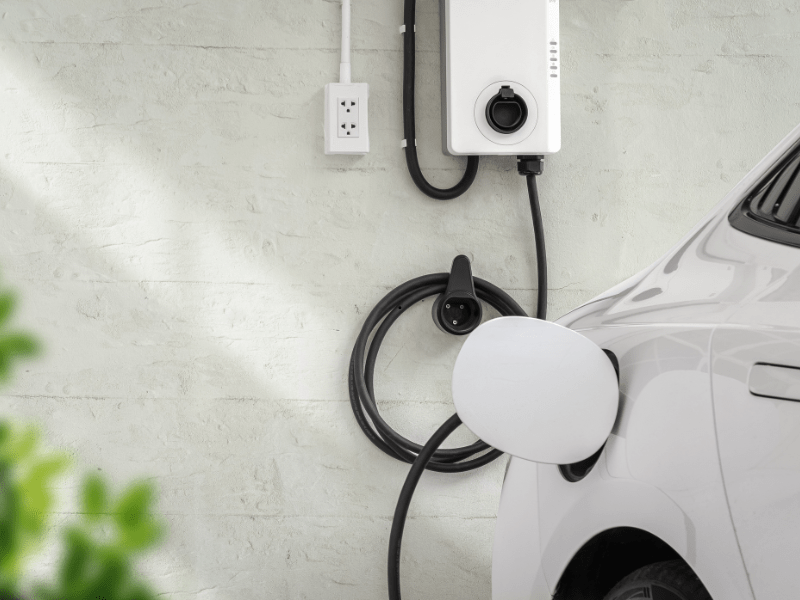
Not every charger suits every driveway. Some are simple plug-in units you could swap out in an afternoon. Others are hardwired fixtures built to sit on that wall for the next decade. Picking the right one for your home electric car charger setup comes down to your vehicle, your electrical capacity, and how fast you actually need to charge.
Features of the ChargePoint Home Flex
The ChargePoint Home Flex has earned its reputation the hard way: by actually delivering. It charges fast, up to 50 amps, which cuts down the hours you’d otherwise spend waiting. And it doesn’t force you into one installation style. Go plug-in if you want flexibility, or hardwire it if you’d rather have a fixed, permanent setup.
The smart features matter just as much as the raw charging speed. An accompanying app lets you watch your charging sessions unfold in real time: status, efficiency, the works. Schedule sessions for off-peak hours and you’re not just saving money, you’re actively managing your electricity use instead of leaving it to chance. If you’re on a time-of-use plan, this is where the smart charge tech earns its keep.
Compatibility is another strong point. The Home Flex works across a wide range of connector standards, including Tesla vehicles when you add the right adapter. That flexibility matters for households with more than one EV, since nobody wants two separate chargers cluttering the garage when one will do the job for everyone.
Safety gets equal billing here. The unit passes rigorous testing, and its build includes overcurrent protection, ground fault detection, and a weatherproof enclosure that holds up whether it’s mounted indoors or out. None of that is glamorous, but it’s exactly what keeps a fast charge from becoming a liability.
And if you’re already thinking about solar, the Home Flex plays well with renewable setups too. Feed it from your own panels and you’re drawing less from the grid, which lowers the carbon footprint of every mile you drive. It’s a charger built to sit at the intersection of speed, safety, and sustainability, and that combination is exactly why it shows up so often on shortlists.
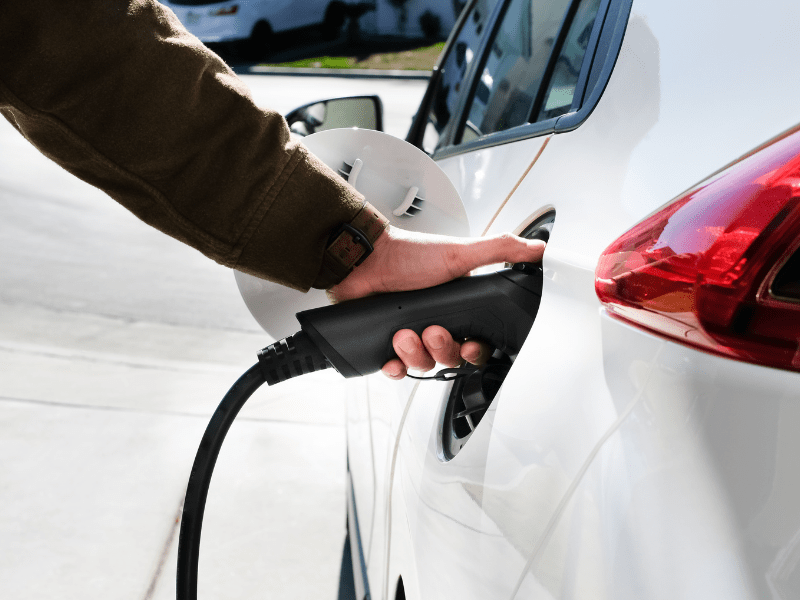
Price and warranty support round out the picture, even if they get less attention than the amp rating. A charger that’s cheap to buy but expensive to service isn’t actually the bargain it looks like on day one. Check what the warranty covers, how long it runs, and whether the manufacturer backs the unit with actual customer support rather than a phone tree that goes nowhere. The Home Flex’s reputation rests as much on that kind of ongoing reliability as it does on the headline charging speed.
Choosing the Right Charger for Your Vehicle
Picking a charger isn’t a five-minute decision, and treating it like one is how people end up with the wrong unit bolted to their wall. Start with your vehicle. Know its connector type and its power needs before you buy anything. Tesla owners, in particular, should check whether an adapter is required for the charger they’re eyeing, because assuming compatibility is how installations go wrong.
Charging speed comes next. Amperage output varies a lot between units, and different amperage levels directly determine how quickly your battery fills up. Look honestly at your daily mileage and your EV’s range. If you’re not driving huge distances, a standard level 2 charger might be all you need.
If you are, something closer to the ChargePoint Home Flex’s speed starts to make more sense. Faster units cost more upfront, so weigh that trade-off against how much of a hurry you’re actually in every morning.
Installation style matters more than people expect going in. Plug-in units are simple and can be moved if your setup changes down the line. Hardwired systems need a professional but reward you with a cleaner, more integrated look. Take a hard look at your home’s existing electrical circuit and capacity before deciding, because that reality, not preference alone, often makes the choice for you.
Don’t skip the energy efficiency angle either. Chargers with smart scheduling let you dodge peak electricity rates entirely, and the companion apps give you visibility into exactly how much power you’re using and when. That kind of transparency is worth more than it sounds like on paper.
Finally, think ahead. EV technology moves fast, and a charger that can take a software update instead of demanding a full replacement will save you money and hassle down the line. A versatile, well-built charger doesn’t just serve you today. It’s an investment that keeps paying off as the market, and your own vehicle, keep evolving.
One more thing worth weighing before you buy: how many vehicles will actually use this charger. A household with a single EV has simple needs. A household planning to add a second electric vehicle down the line should think about amperage headroom and connector flexibility now, rather than discovering in two years that the unit they bought can’t comfortably serve two cars on the same schedule.
Installation Process of Home Chargers
Getting the hardware right is only half the job. How you install it determines whether that hardware actually performs the way it’s supposed to. Get this stage wrong and even the best charger on the market won’t deliver, so it’s worth understanding exactly what professional installation and the DIY route each demand of you.
Steps to Install a Charger at Home
Installing a home electric car charger is not a weekend improvisation, it’s a sequence of steps that each need attention. First, assess your home’s electrical capacity. Check the main panel, confirm the circuit can handle the extra load, and if you’re at all unsure, bring in a certified electrician rather than guessing. This step decides your charger level needs from the start; a Level 2 charger, for instance, typically needs a 240 volt outlet, and that’s not something you want to discover halfway through a purchase.
Next comes location. Garages and driveways are the usual picks, mainly because they sit close to the vehicle’s charging port and, ideally, close to the electrical panel too. Keep that distance short and you avoid piling on conduit costs. Weather matters here as well: an outdoor install needs a weatherproof charger, full stop.
Plug-in chargers give you room to reposition later if your needs change; hardwired units lock you into wherever you decide now.
Charger level matters here too, and it’s worth locking in before you pick a spot. A basic setup can sometimes run off a standard outlet with minimal changes, while a full Level 2 install needs that dedicated circuit and, ideally, a location within easy reach of your main panel. Settling on the level you actually need up front saves you from choosing a spot that turns out wrong for the wiring the charger requires.
Wiring is where the real work starts. This usually means running a new electrical circuit from your panel to the chosen spot, and it’s exactly the kind of high-voltage task you want a professional handling, both for your safety and for keeping you compliant with local codes. Depending on the charger, that might mean adding a NEMA outlet for a plug-in unit. Skip corners here and you’re looking at short circuits or a charger that simply can’t deliver full power.
Once the wiring’s sorted, the unit itself goes up: mounted securely on a wall or a pedestal, following the manufacturer’s instructions to the letter. Most setups are fairly simple from this point: connect the wiring, power it on, run through the app or control panel to get everything configured. Tighten every connection properly. A loose connection is how small problems become expensive ones.
With the charger live, dial in the smart charge settings through the app so you’re automatically catching those off-peak rates going forward.
Last step: test it. Run an actual charging session and watch the app for status updates, error messages, or anything that looks like unexpected heat. Keep an eye on things for the first few sessions especially. A little vigilance early on catches problems before they become a pattern, and once you’ve cleared that hurdle, you’ve got a home charging station that just works, reliably, every single day, from your own driveway.
Worth flagging too: don’t skip the paperwork side of this. Many jurisdictions require a permit and a follow-up inspection before a home charging installation is considered complete, and some utility rebates won’t pay out without proof that the work passed inspection. It’s an extra step that feels like friction in the moment, but it protects you if anything ever goes wrong with the wiring down the line, and it keeps your homeowner’s insurance in good standing too.
Professional Installation vs. DIY
This decision comes down to three things: safety, cost, and your comfort level with electrical work. Professional installation costs more upfront but buys you a smoother process. DIY saves money but hands you the full weight of getting every detail right.
Go professional and you’re getting a certified electrician who already knows the code, already knows the pitfalls, and won’t leave you exposed to a wiring mistake that could start a fire or damage the vehicle. Most installs need a dedicated circuit run from your main breaker panel, and that’s precisely the kind of job you don’t want to learn on the fly. If permits or inspections are involved, a professional navigates that paperwork too, so your setup actually meets code rather than just looking like it does.
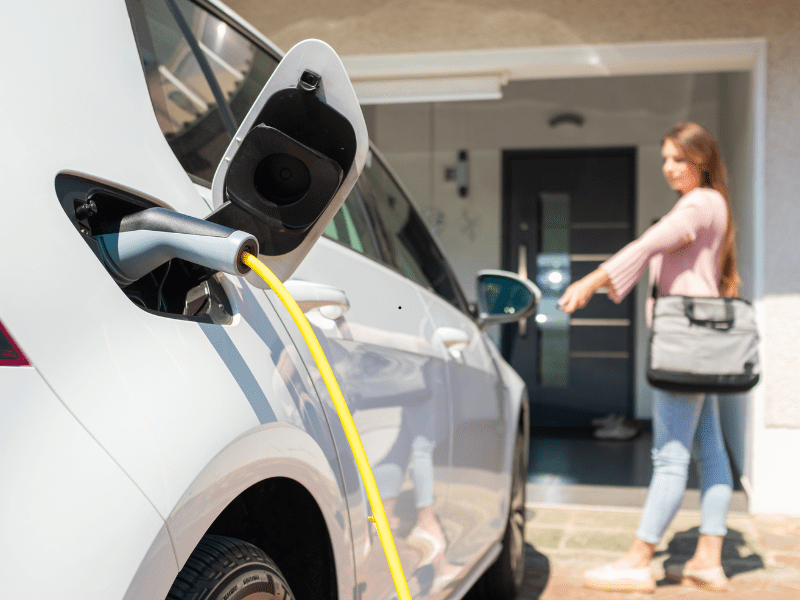
There’s a longer tail of benefits as well. Ongoing support matters if something breaks or you decide to upgrade later, and plenty of manufacturer warranties simply require professional installation to stay valid in the first place. A good electrician can also flag future upgrades worth planning for, solar integration among them, so your setup isn’t just solving today’s problem.
DIY has its place too, mainly for people who already have electrical know-how and want to skip the labor bill. It’s not just mounting a box on a wall. You’re pulling permits if required, running new circuits, and making sure every connection meets code on your own. Done right, it saves money and teaches you a genuine amount about home energy systems in the process.
Done wrong, though, it gets expensive fast. A wiring mistake can void your equipment warranty outright. Mismatched connectors or the wrong circuit components can quietly wreck a charger’s performance without you noticing until it’s too late. And weatherproofing gets overlooked more often than you’d think on outdoor DIY installs, which is exactly the kind of oversight that causes premature failure.
So weigh it honestly. If assurance and expertise matter more to you than saving on labor, hire the professional. If you’ve got the skills and the time, DIY can genuinely pay off. Either way, the goal is the same: a reliable, energy efficient home charging setup you can trust every single morning, no matter which route got you there.
Home Charging in Las Vegas
Las Vegas isn’t just neon and casinos, it’s also quietly become one of the better American cities for home EV charging, and the reasons are practical rather than flashy. The combination of near-constant sunshine, utility rate plans built around off-peak charging, and a growing base of EV drivers has made this a place where the case for a home charger writes itself.
Benefits of Installing a Charger in Las Vegas
With EV ownership climbing across the city, a home electric car charger takes you out of the crowded public charging network entirely, which matters more in a sprawling city like this than people expect. Plenty of residents commute out from the Strip and surrounding areas daily, and home charging means starting every one of those trips with a full battery instead of gambling on finding an open public station.
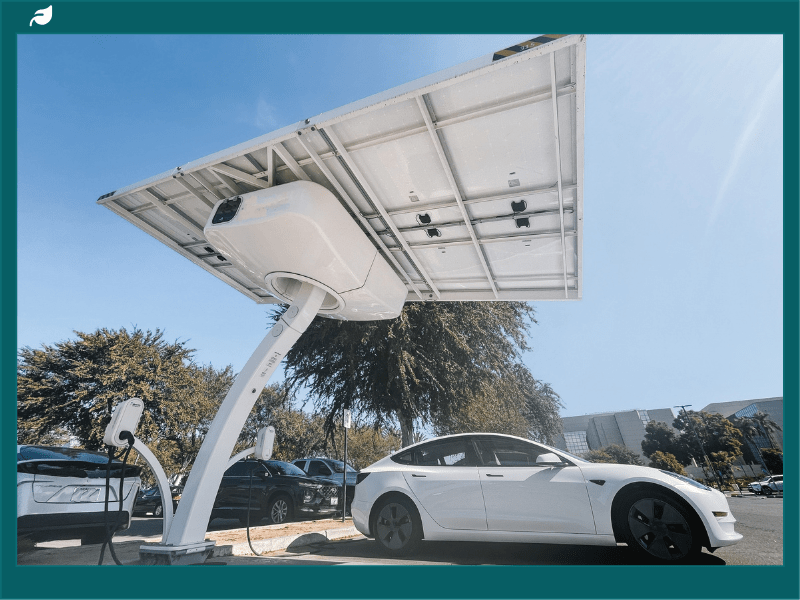
The climate does a lot of the heavy lifting here too. Las Vegas gets an enormous amount of sunshine, which makes solar an obvious pairing for any home charging setup. Add solar panels to your electric car charging unit and you’re cutting your electricity bill and your carbon footprint in the same move, which fits a city that’s leaned hard into clean energy and forward-looking technology.
The economics stack up as well. Time-of-use electricity plans let you shift your charging to the cheapest hours of the day, a strategy Nevada’s energy policy actively encourages. Most smart charge units automate that scheduling for you, so the savings happen without you having to think about it every night.
The upshot is that Las Vegas households don’t need to choose between convenience and cost. The two work together here more cleanly than they do in most cities, because cheap off-peak power, generous sunshine, and a growing charging infrastructure all point in the same direction at once.
There’s a real estate angle too. As demand for EVs keeps rising, homes fitted with charging equipment stand out to buyers looking for exactly that. A charging station on the property signals a home built for where things are going, not where they’ve been, and that reputation carries weight in a market as competitive as this one.
None of this happens in isolation either. Local government initiatives aimed at cutting emissions create a genuinely supportive environment for anyone installing this kind of equipment, which means a home electric car charger in Las Vegas isn’t just a personal upgrade. It plugs directly into the city’s broader push toward energy independence.
Local Incentives for Home Charging in Las Vegas
Las Vegas and the state of Nevada both offer real incentives for installing a home electric car charger, and understanding them is worth the half hour it takes. Nevada’s tax credits and rebates exist specifically to offset the upfront cost of buying and installing charging equipment, lowering the barrier for anyone on the fence about going electric.
Nevada’s Renewable Energy Tax Abatement program is one worth knowing by name. It cuts property taxes for homeowners who add renewable energy systems, solar included, alongside their charge stations. Pair solar panels with a home electric car charger and you’re stacking savings from two directions: lower energy costs day to day, plus financial kickbacks at both the state and federal level.
Local utilities sweeten the deal further. NV Energy runs specific EV rate plans designed to cut costs for charging during off-peak hours, and taking advantage of those plans adds up to meaningful savings over a year of ownership. Some utility programs even offer rebates specifically for installing Level 2 chargers, trimming the up-front cost even more.
All of this feeds into something bigger than any one household’s electricity bill. Every resident who installs a home charger is, in a small way, part of Las Vegas positioning itself as a genuine leader in energy efficient mobility, a goal that lines up with national efforts to shift toward cleaner energy overall. The city’s proactive stance on renewables and emissions doesn’t just help residents go electric. It signals real ambition about where the city wants to be.
There’s a practical bonus too: city and county rules often streamline permitting for green technology installs, cutting the red tape that slows other kinds of home renovation projects down. That makes going electric in Las Vegas a genuinely smoother process than in plenty of other cities, and it’s one more reason home charging keeps gaining ground here.
Add it all up and the case is straightforward. State and local programs cut your costs, the climate favors solar, and the infrastructure keeps improving. A home electric car charger here isn’t just a convenience, it’s one of the more sensible upgrades a Las Vegas homeowner can make this year.
None of it requires guesswork on your part, either. Utility websites list current rate plans and rebate amounts, and a quick call to a local electrician will tell you exactly what your home’s panel can support before you spend anything. The barrier to going electric in this city has never really been the technology. It’s just been knowing where to look, and now you do.
Do the homework once, install the right charger for your vehicle, and the rest of it, the savings, the convenience, the full battery every single morning, takes care of itself from there.