Few things hit quite like peanut butter paired with chocolate, and the good news is you don’t need dairy or eggs to pull it off. These recipes for vegan peanut butter cups, cookies, and fudge use straightforward plant-based ingredients to deliver rich, nutty flavour and satisfying texture. Whether you’ve been vegan for years or you’re simply curious about plant-based baking, these treats are approachable and genuinely delicious.
Mastering Vegan Peanut Butter Cups
Getting vegan peanut butter cups right comes down to knowing your ingredients and how they behave together. Vegan peanut butter brings creamy texture and real versatility to the table. The balance between the peanut filling, coconut oil, and chocolate is what makes or breaks these cups. Once you understand that balance, the process is straightforward.
How to Make the Best Vegan Peanut Butter Cups
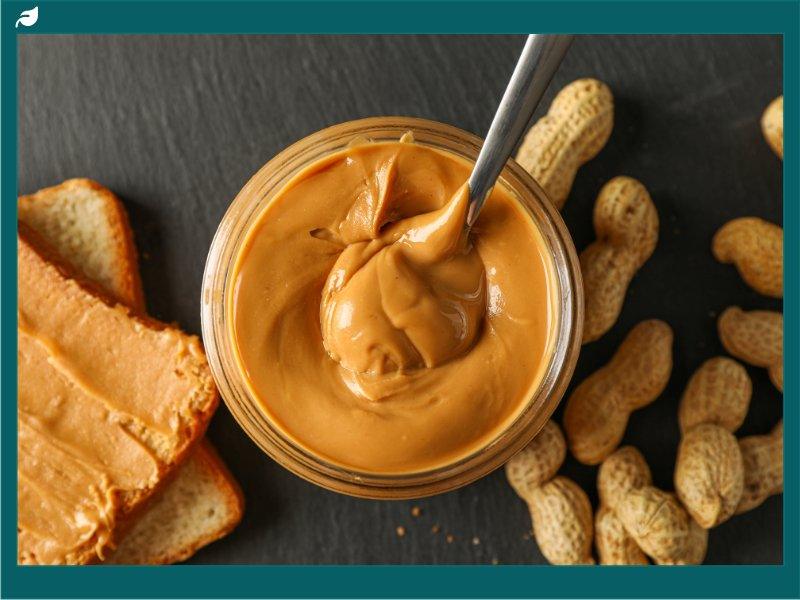
Start with a good-quality natural peanut butter. Its smooth texture sits well against rich, dark chocolate, and it doesn’t contain unnecessary additives. Melt chocolate with a small amount of coconut oil over gentle heat, stirring continuously until the mixture is fully blended and glossy. Silicone molds work best here because they release cleanly and help each cup hold its shape as it sets.
Pour a small amount of the melted chocolate into each mold to form the base layer. While that begins to set, blend creamy peanut butter with a touch of coconut oil until you have a velvety, spoonable consistency. That peanut butter mixture is the core of each cup. Spoon it carefully over the chocolate base, spreading it evenly so every bite gets a consistent amount of filling.
Once the peanut layer is in place, add a final layer of melted chocolate on top to seal everything in. Transfer the molds to the refrigerator and allow the cups to chill until completely firm. This step matters: skipping it means the layers won’t hold their shape when you pop them out. The chocolate needs time to contract slightly around the filling, which is what gives each cup that clean, solid bite.
Using organic peanut ingredients where possible is worth considering, both for flavour and for sustainability. A few extra tips worth keeping in mind:
- Use high-quality silicone molds for precise shapes and easy removal.
- Add a pinch of sea salt to deepen the flavour subtly.
- Consider roasted nuts for a nuttier aroma in the peanut butter filling.
- Experiment with different chocolate types to customise the taste.
- Infuse peanut butter with vanilla extract for added sweetness.
- Let the cups sit at room temperature briefly before chilling.
- Try sprinkling cocoa nibs on top for a texture contrast.
These small adjustments can make a noticeable difference to the finished result. If you find the filling too dense, a small additional measure of coconut oil loosens it without affecting the set. If the chocolate layer cracks when you remove the cups from the mold, the chocolate-to-coconut-oil ratio is likely off. A slightly higher proportion of coconut oil keeps the chocolate layer flexible enough to release cleanly while still holding its form at room temperature.
Perfecting Vegan Peanut Butter Cookies
A great vegan peanut butter cookie depends on understanding how ingredients like sugar and natural peanut butter work together during baking. Vegan peanut butter gives the dough a rich, creamy base. Using roasted peanuts adds both flavour and sustainability credentials. Options like Jif natural peanut butter are worth exploring for their consistency and quality.
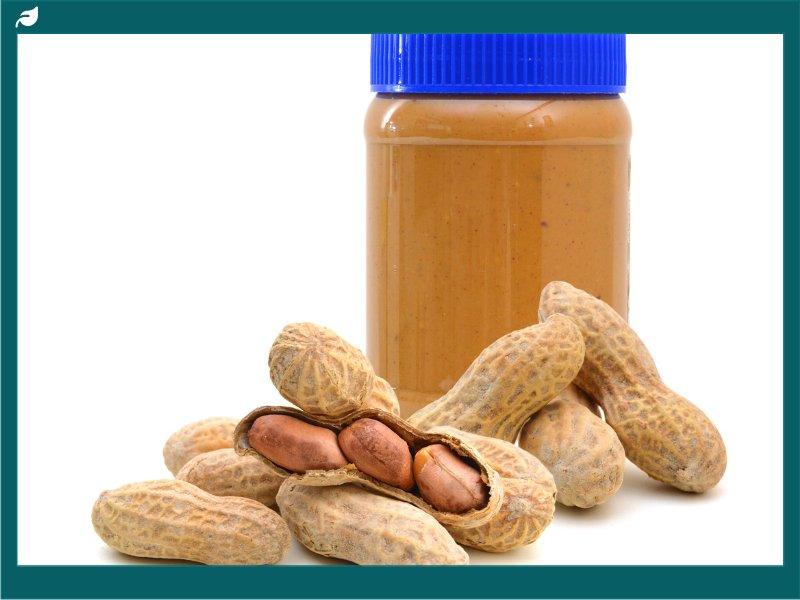
Getting the dough preparation right is where most of the work happens.
Do I Need to Chill the Cookie Dough?
Chilling is one of those steps that sparks debate in vegan baking. The short answer is: it depends on the result you’re after. Chilling the dough solidifies the fat content, which means thicker cookies with a moist interior. In vegan recipes, peanut butter takes on a lot of the fat-based work that dairy butter would normally handle.
Chilling gives it time to firm up and behave more like a traditional fat, which controls spread and lets the sugar and peanut butter flavours develop together more fully.
If you skip chilling, you’ll get cookies that spread more during baking. They’ll be softer and slightly chewier, which isn’t a bad thing. It’s just a different outcome. For bakers using Jif natural peanut butter, chilling is a practical choice.
Its creamy consistency benefits from a rest in the fridge, and it helps the cookies hold their shape rather than spreading too thin. A minimum of thirty minutes in the fridge is usually enough, though an overnight rest produces an even more developed flavour.
Tips for the Best Peanut Butter Cookies!
The peanut butter you choose has a direct impact on texture and flavour. High-quality, organic peanut butter gives you smoothness and a genuine nutty taste. Options like Jif natural peanut butter are consistently reliable. Using a blender or food processor to combine ingredients helps distribute the peanut oils and sugar evenly throughout the dough, which improves the final bake.
Sugar type matters more than people realise. Brown sugar produces a chewier, moisture-rich cookie because of its molasses content. White sugar gives you a crisper result. Neither is wrong; it just depends on your preference.
Bake at a steady, moderate temperature to ensure even cooking without drying out the centre. Adding roasted peanuts to the dough introduces a satisfying crunch and a deeper nutty flavour that plain peanut butter alone can’t quite replicate.

Measure ingredients carefully. Accuracy affects everything from how much the cookies spread to how they feel once cooled. Having your cookie sheets and parchment paper ready before you start also helps, preventing sticking and keeping the baking process efficient. It’s worth pressing each dough ball down lightly with a fork before baking, both for appearance and to ensure even thickness across the batch.
With the right preparation, vegan peanut butter cookie recipes can produce results that are genuinely hard to distinguish from their conventional counterparts.
Creating Vegan Peanut Butter Fudge
Vegan peanut butter fudge is rich, creamy, and deeply satisfying when done well. The right ingredient selection makes all the difference, particularly when it comes to the peanut butter and coconut oil. Together, they create the consistency and flavour that define good fudge. But the process can go sideways quickly if you’re not careful, so it helps to know what to watch for.
Troubleshooting Setbacks with Peanut Butter Fudge
If your fudge turns out too oily or won’t set, the issue usually comes down to ingredient ratios or temperature. Too much coconut oil makes the mixture runny. Balancing it with a generous amount of creamy vegan peanut butter restores the right thickness. Natural and organic peanut butter are good choices here because they bring the creaminess the recipe needs.
Also make sure your ingredients, especially the peanut butter, are at room temperature before you start mixing. Cold peanut butter can prevent the fudge from setting properly.
Gritty fudge is usually a sugar problem. A finer sugar dissolves more effectively into the peanut butter mixture. Using a blender to incorporate the sugar thoroughly avoids that sandy texture that undermines the whole dessert. If the fudge simply refuses to set, insufficient cooking time is often to blame.
Finding the right heat level when combining the coconut oil with peanut butter ensures the mixture reaches the temperature it needs to firm up once cooled.
On the flavour side, adjusting the amount of organic, natural peanut you use lets you control how nutty the fudge tastes without overwhelming the subtle sweetness that the coconut oil contributes. A small addition of vanilla extract can round out the flavour without masking the peanut character. Good fudge takes patience. Careful adjustments and a clear understanding of each ingredient’s role, including how peanut butter alternatives behave differently from dairy-based fats, are what take vegan peanut butter fudge from passable to genuinely decadent.

Once you’ve worked through the initial learning curve, the results are worth it.
Easy Storage Solutions for Peanut Treats
Making a batch of vegan peanut butter treats is satisfying. Keeping them fresh long enough to enjoy is equally important. Good storage habits protect texture and flavour, reduce waste, and fit comfortably within a sustainable approach to food. The method varies slightly depending on whether you’re storing cups, fudge, or cookies, but the principles are consistent.
How to Store and Freeze Peanut Butter Cookies
Vegan peanut butter cookies made with high-quality ingredients like Jif natural peanut butter store well in an airtight container at room temperature for up to a week. This keeps them soft and chewy without drying out. If you want to extend that further, freezing is the way to go.
Let the baked cookies cool completely before freezing. Putting warm cookies in the freezer traps moisture and can cause freezer burn or sogginess. Once cooled, lay them out in a single layer on a baking sheet and freeze for about an hour. This initial freeze stops them sticking together later.
After that, transfer them to a sustainable freezer-safe bag or container, placing parchment paper between each layer so they stay separate and are easy to grab individually.
Using a food processor when making the dough improves the final texture. Blending the vegan butter and sugar efficiently gives you a more uniform dough that holds up better to freezing. Alternatively, freeze the raw dough rather than baked cookies. Portion it into individual balls, freeze them on a tray, then transfer to a container.
When you want fresh cookies, bake them straight from frozen, adjusting the baking time slightly. This approach minimises waste and means you always have freshly baked peanut butter cookies on hand without the need to start a whole new batch from scratch.
Adding roasted peanuts to the dough before freezing is worth doing. The texture and depth of flavour they add survive the freeze well, so you get a satisfying, full-flavoured cookie every time. The same approach works for fudge: cut it into portions, layer with parchment, and freeze in a sealed container. It defrosts quickly at room temperature and holds its texture without becoming grainy.
These vegan peanut butter recipes offer something genuinely worth making. The cups, cookies, and fudge all deliver on flavour and texture, and they’re accessible to anyone willing to spend a little time in the kitchen. They work just as well for long-time vegans as for anyone simply looking for a better dessert option. Make a batch, share them around, and see how quickly they disappear.