The Thriving Habitat of Dungeness Crab in Alaska
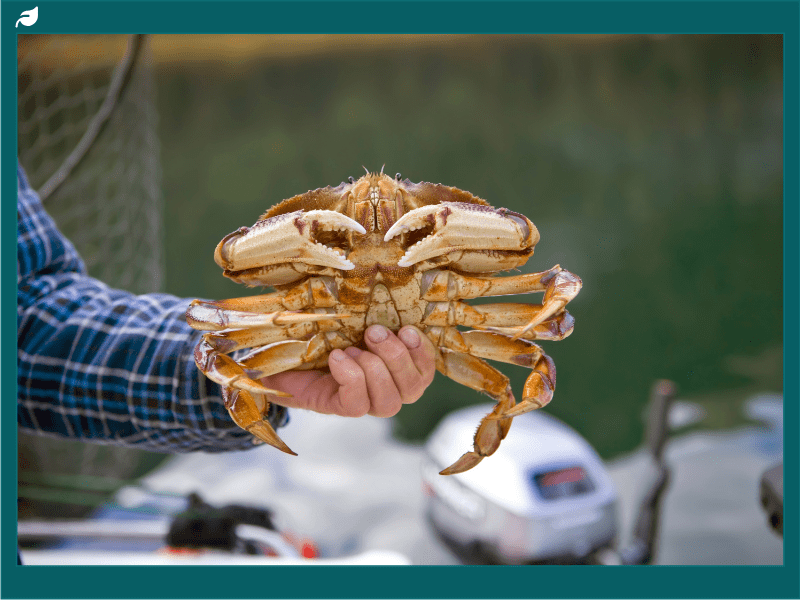
Alaska’s cold Pacific waters hold one of the most productive crab fisheries on earth, and the Dungeness crab sits right at the center of it. Known scientifically as Cancer magister, this species has carved out a life in some of the most nutrient-rich marine environments anywhere on the coast. Pacific Marine Fisheries Council and Washington Department of Fish and Wildlife reports that Washington’s 2024 to 2025 coastal Dungeness crab fishery alone produced a total catch of 16.1 million pounds, with 3.99 million pounds from tribal landings and 12.18 million pounds from state-licensed crabbers, illustrating just how economically significant this regional fishery has become. Understanding where it lives, and what keeps it alive, tells you a lot about why Alaskan crab tastes the way it does and why protecting it matters.
Understanding the Natural Environment
Pull up a map of the Pacific coast and trace your finger from Oregon north through Washington and all the way up to Alaska. That stretch of cold, oxygen-rich water is Dungeness crab territory. Cancer magister gravitates toward sandy and muddy ocean floors, places where it can bury itself, ambush prey, and stay out of trouble. The water there is dense with nutrients, which means plenty of smaller marine animals and organic matter to feed on.
Female Dungeness crabs find particularly good conditions along the Alaskan coast for laying eggs, which is the kind of quiet, unglamorous fact that actually drives the whole fishery. No good egg habitat, no next generation. It’s that simple. The relationship between crabs and other species, including fish like salmon, shows how tightly woven Alaska’s marine wildlife really is.
Conservation efforts have worked to keep these habitats functional, not just scenic. Protecting the breeding grounds from industrial damage isn’t a feel-good gesture; it’s the practical foundation of a fishery worth hundreds of millions of dollars. The cold waters that make Alaska feel inhospitable to humans are precisely what make this ecosystem so productive for Dungeness crab and the life that surrounds it.
Factors Affecting Crab Populations
Nothing about a wild crab population is simple. Water temperature shifts, changes in salinity, pollution from industrial activity, disease outbreaks, and fishing pressure all push and pull on Cancer magister populations year to year. When any one of those variables tips too far, the effects ripple through the whole system.
Water temperature is a big one. Even modest warming can disrupt molting cycles and push crabs into different depth ranges, which in turn affects how easy they are to catch and how well they reproduce. Industrial pollution reduces water quality and degrades food sources, hitting the bottom of the food chain first and working its way up.
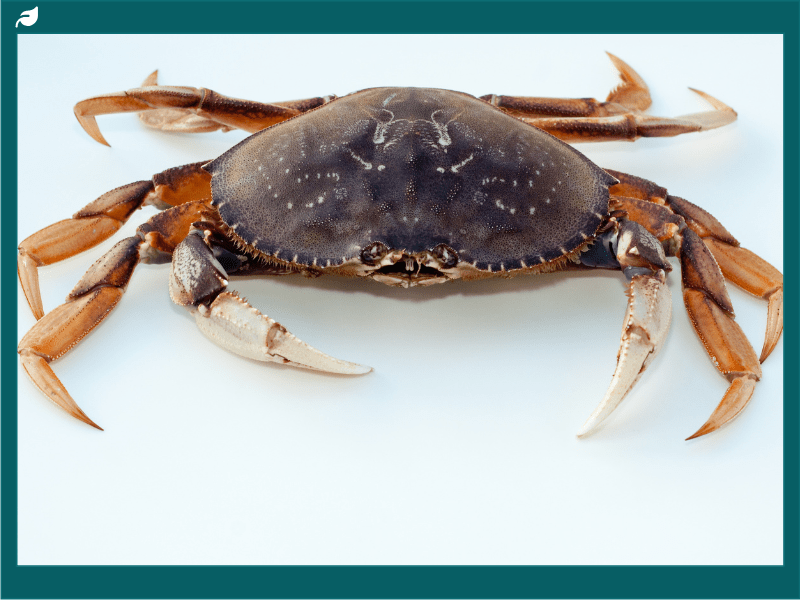
Fishing is the factor humans control most directly. Well-managed fishing, backed by solid regulations, can keep populations stable over decades. Overfishing, on the other hand, hits female Dungeness crabs especially hard, because removing breeding females accelerates decline faster than almost any other pressure. Disease outbreaks add another layer of unpredictability, sometimes causing sharp population drops that even the best management can’t prevent in the short term.
The good news is that monitoring has improved significantly. Biologists track population data closely, and Alaska’s wildlife managers adjust catch limits in response to what the numbers actually show, not just what the industry would prefer. research published through the International Council for the Exploration of the Sea reports that seasonal ocean forecasting models for Dungeness crab now explain 56.2% of the variability in catch rates by integrating dynamic and lagged oceanographic variables, enabling moderate-skill forecasting of future catch rates that gives managers a more reliable scientific foundation for those decisions. Keeping that feedback loop honest is what separates a sustainable fishery from a collapsed one.
The Sustainable Harvesting of Dungeness Crab
You don’t get a healthy Dungeness fishery by accident. It takes deliberate choices, enforced rules, and communities willing to accept short-term limits for long-term gain. Alaska has built a framework around exactly that, and while it isn’t perfect, it’s a meaningful model for how marine harvesting can work without eating itself alive.
Key Practices in Preservation
The most important thing regulators do is time the season correctly. Crabbing seasons are set to align with the molting and mating cycles of Cancer magister, so young crabs have a real chance to mature and reproduce before they end up in a pot. That scheduling decision, made on scientific grounds rather than commercial ones, is the backbone of the whole preservation effort.
Fishing regulations set allowable catch sizes and quotas, and enforcement matters just as much as the rules themselves. A quota that nobody checks is just a suggestion. Beyond quotas, sustainable harvesting practice means using biodegradable traps and designing crab pots so that non-target species can escape rather than die as bycatch. Those pot designs have improved considerably over the years, reducing collateral damage to the broader marine ecosystem without meaningfully reducing crab catch efficiency.
Protecting breeding grounds from industrial pollution is equally important. A crab that survives every fishing season but can’t reproduce in degraded habitat is a crab population in slow decline. Keeping those grounds intact requires regulatory teeth and the willingness to use them. Collaboration with local fishing communities strengthens the whole effort, because experienced crabbers often notice ecosystem changes before any monitoring program picks them up.
Their knowledge isn’t anecdotal noise; it’s early-warning data.
Community Efforts in Sustainability
Local communities don’t just benefit from the Dungeness fishery. They actively shape how it runs. Cooperative organizations bring crabbers, biologists, and government agencies into the same room, which sounds basic but makes a real difference when it comes to writing regulations that people will actually follow.
Local crabbers advocate for methods that balance their economic needs with the health of the fishery, and that tension is productive rather than destructive when the right structures exist to hold the conversation. New trap designs, more efficient navigation systems, reduced bycatch targets: these ideas often come from the water, not from a government office. Communities adopt them faster when they’ve had a hand in developing them.
Public awareness campaigns run by community groups help educate both residents and visitors about what sustainable fishing actually looks like in practice. That education builds a broader constituency for conservation, which matters when fishing regulations come up for political review. The cultural heritage tied to crabbing, the generational knowledge of tides and seasons and technique, is itself a resource worth protecting. When communities stay engaged, that knowledge survives.
The Culinary Delight of Dungeness Crab
Few things in Pacific Northwest cuisine carry the reputation that Dungeness crab does. Sweet, faintly nutty, with a delicate texture that holds up to a surprising range of cooking methods, it’s the kind of ingredient that makes simple food taste exceptional. For Alaskan communities, the crab means something beyond the plate too. It’s woven into daily life, family memory, and the economic fabric of coastal towns.
Popular Recipes and Cooking Tips
Start with the simplest preparation and you’ll understand immediately why Dungeness crab has such devoted fans. Steamed or boiled, with drawn butter and a squeeze of lemon on the side, the crab needs nothing else. The natural sweetness speaks for itself. Adding too much is the most common mistake home cooks make with it.
For something more involved, a rich bisque lets the briny depth of the crab blend with potatoes and cream in a way that feels genuinely restorative on a cold evening. Crab cakes built with cilantro and ginger pull the flavor in a different direction entirely, toward something brighter and more aromatic. Crab sushi rolls work for the same reason: the clean ocean flavor of Dungeness pairs well with rice vinegar and wasabi without getting lost.
A few practical notes. Handle the crab gently during preparation because the meat bruises more easily than people expect. Overcooking toughens it fast, so err on the side of less time rather than more. Clean the crab thoroughly, removing the gills and any inedible material before cooking, because a clean crab tastes noticeably better than one that wasn’t prepared with care.
The Cultural Significance in Alaskan Life
Dungeness crab has fed Alaskan communities for generations. For indigenous peoples along the coast, Cancer magister was a genuine staple, a reliable source of nutrition that shaped both diet and seasonal rhythm. That history doesn’t disappear when a crab ends up on a fish counter in Seattle or San Francisco. It travels with the catch.
Harvest festivals and community gatherings built around crabbing season still mark the calendar in coastal Alaskan towns. Crabbing together, whether you’re pulling traps or cleaning catch at the dock, creates the kind of shared experience that holds communities together over time. Recipes passed down through families carry that history in a different form, instructions written in memory rather than on paper, handed from one generation to the next over a kitchen table.
For many Alaskan families, the Dungeness fishery isn’t just culturally meaningful; it’s economically essential. Fishing and tourism built around the crab underpin livelihoods across the region. That economic weight is one more reason why sustainable management of the fishery matters so much. Collapse the population and you don’t just lose a species.
You lose a way of life that took generations to build, and the communities that depend on it most are the ones least able to absorb that loss.
Alaska and the Dungeness crab have grown up together. Keeping that relationship intact takes science, regulation, community commitment, and genuine respect for what the ocean provides. So far, Alaska has managed to hold that balance. The work of keeping it never really stops.