Understanding the Importance of Coral Reefs
Coral reefs cover less than one percent of the ocean floor. Yet they shelter roughly a quarter of all marine species on earth. That single fact should stop you cold. Stockholm Resilience Centre and University of Exeter reports that the Global Tipping Points Report 2025 confirms that widespread mortality of warm-water coral reefs has begun, marking the world’s first climate tipping point, with extensive reefs facing irreversible loss unless global warming is reversed.
These underwater structures do far more than look spectacular on a nature documentary. They buffer coastlines from wave erosion, cycle carbon through the ocean, and feed hundreds of millions of people. So when a reef dies, the losses ripple outward in every direction. Understanding what coral actually does, and how reef-building corals construct their habitats in the first place, is where any serious conservation effort has to start.
The Role of Coral in Marine Ecosystems
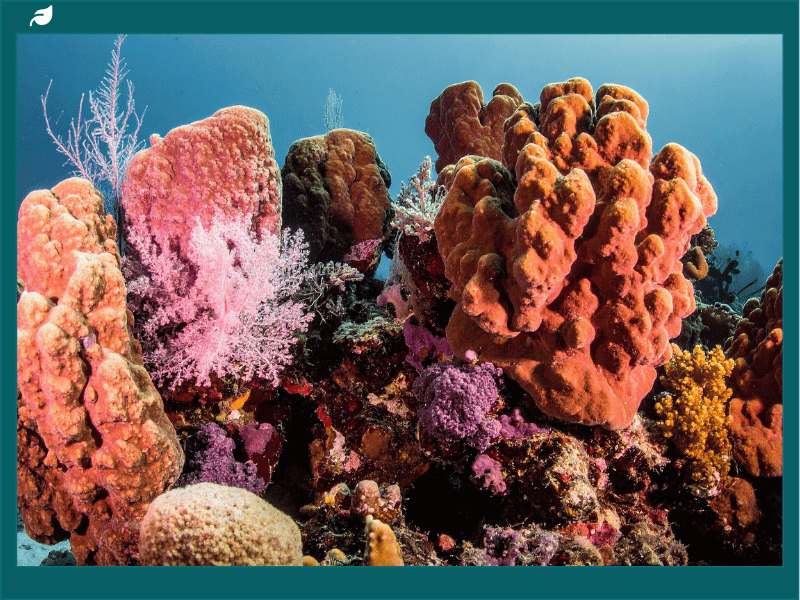
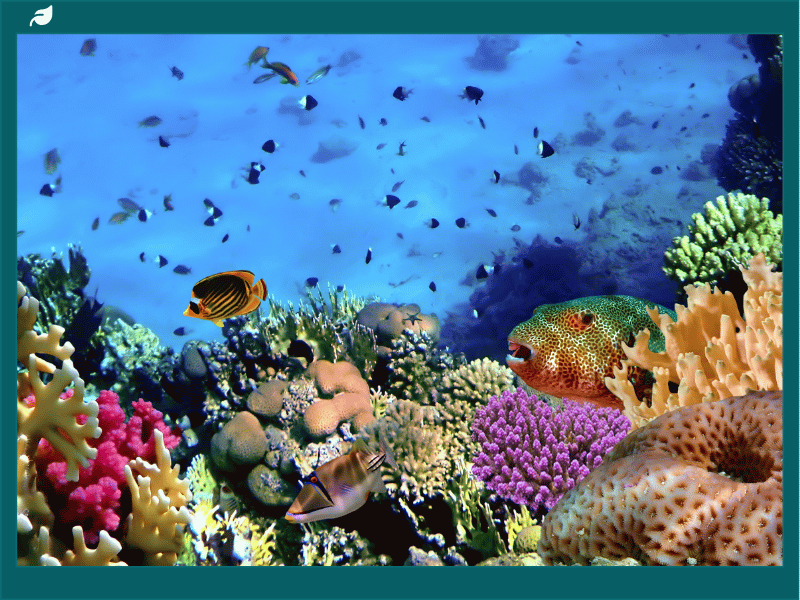
Think of a coral reef as a city. It has districts, infrastructure, a food supply chain, and a waste management system, all running simultaneously without a single human decision. Stony corals are the engineers. They secrete calcium carbonate skeletons that lock together over centuries into the dense, branching framework you see on a reef.
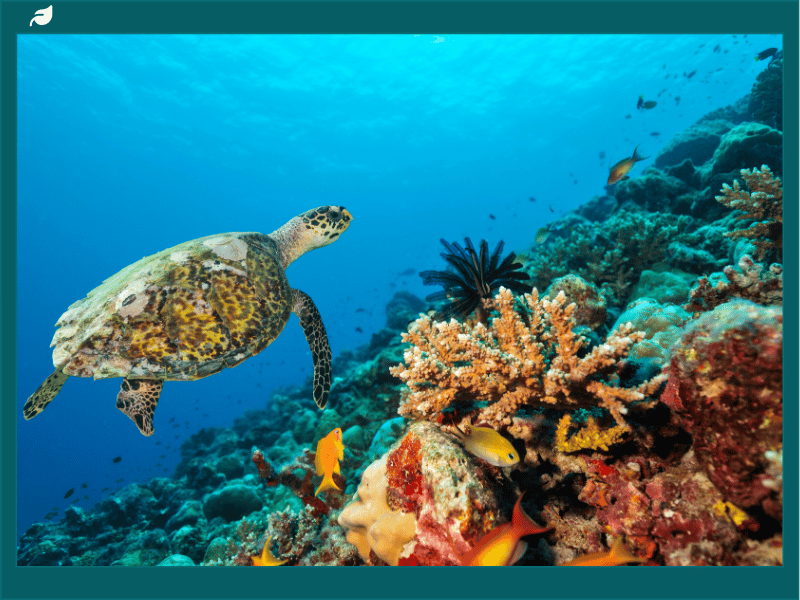
That framework then becomes home to fish, crustaceans, mollusks, sea turtles, sharks, and organisms so small they’re invisible to the naked eye.
The energy powering this city comes from one of nature’s more elegant arrangements. Corals host zooxanthellae, microscopic algae living right inside their tissues. The algae photosynthesize, producing oxygen and nutrients the coral uses to grow and calcify. In return, the coral gives the algae shelter and access to sunlight.
Neither party does particularly well without the other. This mutualistic relationship drives energy through the reef’s food web at every level, from the smallest plankton to the apex predators patrolling the outer walls.
Reefs also act as physical barriers. Their calcium carbonate structures absorb wave energy before it reaches the shore, protecting coastlines and the communities built on them from storm surge and erosion. Remove the reef, and that natural buffer is gone. Coastlines that once had healthy reef cover are already experiencing accelerated erosion where the coral has died.
There’s a carbon story here too. Corals absorb CO2 from seawater and lock it into calcium carbonate, making reef ecosystems meaningful players in the ocean’s carbon cycle. The role is modest compared to, say, mangroves, but it is real and measurable. Reef ecosystems are doing several things at once: building habitat, feeding communities, protecting coastlines, and cycling carbon.
That combination makes them extraordinarily difficult to replace once they’re gone.
How Reef-building Corals Form Habitats
A single coral polyp is tiny, soft-bodied, and looks nothing like the towering structures it eventually helps create. But each polyp secretes a calcium carbonate cup around itself, and then reproduces, and its offspring do the same. Over years, then decades, then centuries, those cups fuse into colonies. Colonies interlock with other colonies.
What began as one polyp becomes a structure that can span hundreds of kilometres and be visible from space, like Australia’s Great Barrier Reef.
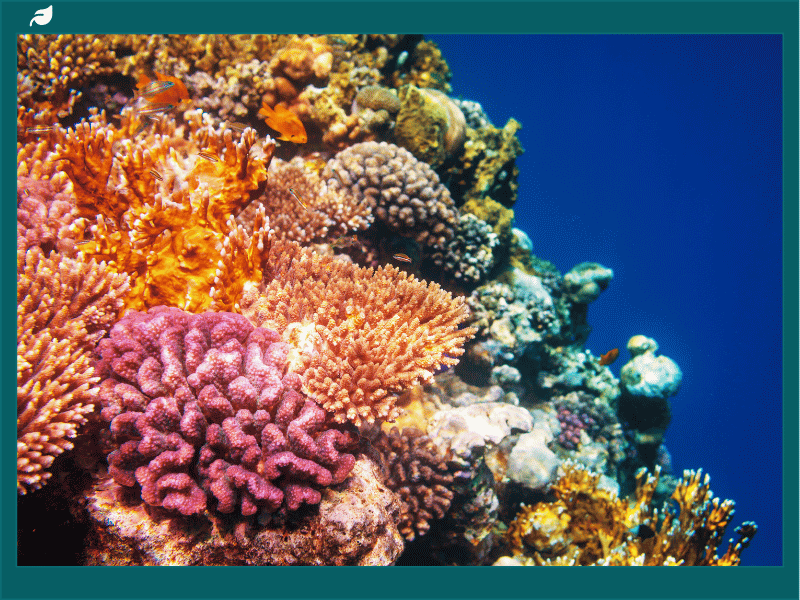
Stony corals are the primary builders. Their calcium carbonate skeletons form the architectural backbone of atolls, fringing reefs, and barrier reefs alike. The shapes they produce, branching staghorns, rounded brain corals, flat table corals, create a complex three-dimensional environment that suits different species at different life stages. Juvenile fish use the shallow, sheltered reef flat as a nursery.
Larger predators work the reef edge where the structure drops away into deeper water. The physical complexity of the reef is inseparable from its biological richness.
That complexity depends entirely on the zooxanthellae relationship described above. Without the nutrients those algae provide, corals cannot calcify fast enough to keep pace with natural erosion. Reefs are not permanent; they need constant growth just to hold their ground. A reef that stops growing starts shrinking.
Here’s what makes reef-building corals such precise indicators of ocean health: they operate within a narrow window of conditions. Water temperature, salinity, light penetration, and pH all have to sit within specific ranges. Push any one of those variables too far, and the coral begins to fail. That sensitivity, which looks like fragility, is actually a highly tuned responsiveness to the ocean environment.
It also means that reef monitoring can tell us a great deal about the broader state of the sea.
The habitats that reef-building corals create sustain fish populations that feed coastal communities across the world. Every coral reef flat functions as a nursery, producing the juvenile fish that grow into the adults those communities catch. Destroy the nursery and you eventually destroy the fishery. It’s a chain with no weak links you can afford to remove.
Current Threats to Coral Reefs
Coral reefs are under pressure from several directions at once, and the pressures are compounding. Climate change is altering the ocean faster than reefs can adapt. Human activity is degrading water quality and physical structure. The two sets of threats interact: a reef weakened by pollution bleaches more severely during a warming event, and a bleached reef is less able to withstand the physical damage from a storm.
Understanding each threat clearly is the foundation of any credible conservation response.
Impact of Climate Change on Coral Health
Coral bleaching is the most visible symptom of climate stress, and it works like this. When sea temperatures rise even one or two degrees Celsius above the seasonal maximum for an extended period, corals eject their zooxanthellae. The coral turns white. Without the algae, it loses its primary food source.
If temperatures drop quickly enough, the algae can return and the coral recovers. If they don’t, the coral starves and dies.
The problem is that bleaching events are becoming more frequent and more intense as ocean temperatures rise. Reefs that once had a decade to recover between major bleaching episodes are now experiencing them every few years. That recovery window is closing. The Great Barrier Reef experienced mass bleaching events in 2016, 2017, 2020, and 2022, four events in six years. A 2025 peer-reviewed study in *Nature Communications Earth & Environment* found that researchers identified a critical annual bleaching threshold of 7.9% (95% CI: 7.6 to 9.3%), beyond which coral reef ecosystems undergo significant degradation, yet global bleaching extent already exceeded 10% annually from 2020 onward.
Reefs simply cannot rebuild fast enough to keep pace with that frequency of damage.
Ocean acidification adds another layer of pressure. As atmospheric CO2 levels rise, the ocean absorbs more of it, which lowers the water’s pH. Lower pH means fewer carbonate ions, and carbonate ions are what corals use to build their calcium carbonate skeletons. Acidification doesn’t kill corals outright, but it slows their calcification rate and weakens the skeletons they do produce, making reefs more vulnerable to erosion and storm damage.
A reef that grows slowly and breaks easily is a reef in retreat.
Storms are the third piece of the climate threat. More intense cyclones physically shatter coral structures that took centuries to build. Storm runoff then carries sediment into the water, smothering the surviving corals and blocking the sunlight their zooxanthellae need to function. The sediment problem can persist long after the storm itself has passed, extending the damage window well beyond the initial event.
These three climate-driven pressures, warming, acidification, and intensifying storms, do not operate in isolation. They stack. A coral colony that is already calcifying slowly because of acidification has less structural reserve when a storm hits. A reef that has just come through a bleaching event is more susceptible to disease.
The combined effect is a system under siege from multiple angles simultaneously, which is why reef management now has to factor in climate projections, not just current conditions.
Human Activities and Their Effects on Reef Ecosystems
Climate change would be enough of a problem on its own. But coral reefs are also dealing with direct human pressure, and in many places that local pressure is the more immediate threat.
Coastal development drives sedimentation. When land is cleared or coastlines are built up, soil washes into the water and clouds it. Turbid water blocks sunlight from reaching the zooxanthellae in coral tissues, slowing photosynthesis and undermining the energy supply that corals need to grow. Agricultural runoff adds fertilisers and other nutrients to the mix, triggering algae blooms that consume oxygen, block light, and physically smother coral.
These are not subtle effects. You can watch a reef change colour from healthy brown-gold to smothering green as algae takes over where coral once was.
Overfishing disrupts the ecological balance that healthy reefs depend on. Herbivorous fish, parrotfish and surgeonfish particularly, graze on algae and keep it from dominating the reef surface. Remove those fish through overfishing, and algae fills the space that coral would otherwise occupy. The reef shifts from a coral-dominated system to an algae-dominated one, and that shift can become self-reinforcing.
Destructive fishing methods make everything worse. Blast fishing shatters coral structure directly. Cyanide fishing, used to stun fish for the live aquarium trade, kills coral polyps and damages the surrounding reef.
Tourism is an economic lifeline for many coastal communities, and it does not have to be destructive. But poorly managed tourism causes real damage. Anchor chains dragged across coral heads break formations that took decades to grow. Divers and snorkelers who touch or stand on coral can cause physical damage that opens the door to disease.
The collection of coral fragments as souvenirs, still common in some markets, removes living organisms from the reef and contributes to its long-term decline.
Marine protected areas, sustainable fishing regulations, and managed dive tourism are all available tools. The question is whether they’re being implemented rigorously enough. In many of the world’s most biodiverse reef regions, enforcement is the missing piece.
Strategies for Coral Restoration
Restoration is not a substitute for stopping the threats. But in places where reef degradation is already severe, active restoration gives corals a fighting chance while broader conservation policy catches up. The field has moved fast in the last decade, shifting from small experimental transplants to large-scale programs with measurable outcomes. Both the techniques themselves and the communities that implement them matter enormously.
Techniques Used in Coral Restoration Programs
Coral gardening is the most widely deployed restoration technique, and the logic is straightforward. Healthy coral fragments are collected from donor colonies, attached to underwater nursery structures, typically metal frames or lines suspended in the water column, and allowed to grow. Once the fragments reach a viable size, they’re transplanted back onto degraded reef areas. Done at scale, coral gardening can introduce thousands of coral colonies to a degraded reef within a single program season.
Micro-fragmentation takes a different approach. Developed by researchers at the Mote Marine Laboratory in Florida, the technique involves cutting coral into pieces far smaller than traditional fragmentation methods use. Those tiny fragments grow at dramatically accelerated rates, sometimes ten times faster than normal, because the cut activates a wound-healing response that drives rapid tissue growth. Slow-growing coral species that would normally take years to reach transplantable size can be ready in months.
That speed matters when reefs are declining faster than conventional restoration can keep pace with.
Artificial reef structures give coral somewhere stable to settle in areas where the natural reef substrate has been severely degraded. Steel frames, concrete modules, and experimental biodegradable materials have all been used. The goal is to provide a three-dimensional surface that mimics the complexity of a natural reef, giving coral larvae and transplanted fragments a foothold while offering immediate habitat to fish and invertebrates. Artificial reefs are not a long-term solution on their own, but they can accelerate the recolonisation of degraded areas significantly.
Genetic interventions are moving from the research phase into field trials. Scientists are selectively breeding corals using heat-resistant genotypes, crossing naturally tolerant individuals to produce offspring better equipped to handle warming ocean temperatures. Assisted evolution programs expose coral populations to graduated heat stress, essentially training them to cope with conditions that would have caused bleaching in previous generations. The ethics and ecology of releasing selectively bred corals into wild reef systems are still being debated, but the science is advancing quickly.
Predator management is a more immediate intervention. The crown-of-thorns starfish is one of the most destructive coral predators on the Great Barrier Reef, capable of consuming coral polyps across vast areas during population outbreaks. Controlled removal programs, including the injection of individual starfish with bile salts, have been shown to protect reef areas during vulnerable recovery periods. Disease management, including the application of reef-safe probiotics to stressed coral colonies, is also entering the toolkit of active reef restoration programs.
None of these techniques works in isolation. The most effective coral restoration programs combine multiple approaches, adapt to local reef conditions, and build in ongoing reef monitoring to track whether the transplanted corals are actually surviving and growing. A program that plants thousands of coral fragments without monitoring their survival rate is spending effort blind. The monitoring and the restoration have to run together.
The Role of Community Involvement in Restoration Efforts
You can have the best restoration science in the world and still fail if the local community isn’t engaged. Coral reefs don’t exist in isolation from the people who live near them, fish on them, and build their economies around them. Programs that treat communities as passive beneficiaries rather than active partners consistently underperform compared to those that don’t.
Local reef monitoring is one of the most effective contributions communities can make. Trained community members who live near a reef can observe it daily, something no visiting research team can do. They notice early bleaching, spot disease outbreaks, and report unusual events in real time. That ground-level observation, fed into a broader reef monitoring system, generates data that would otherwise require expensive survey expeditions to collect.
Early detection means earlier intervention, which consistently improves outcomes.
Indigenous and traditional ecological knowledge brings a time depth that contemporary science often lacks. Communities with multi-generational relationships with a reef know its historical condition, its seasonal patterns, and which disturbances are normal versus alarming. Traditional fishing restrictions, including temporal closures of specific reef areas during spawning or recovery periods, have been practised in Pacific island communities for centuries. Where these practices have been integrated into formal conservation frameworks, reef recovery rates have improved.
Economic alignment matters. A fishing community that sees its catch declining as the reef degrades has a direct material interest in restoration. Programs that create community-managed marine protected areas, train community members as reef rangers or dive guides, and link reef health to sustainable livelihoods give people a concrete reason to invest in conservation. That investment is more durable than compliance with external regulations imposed from outside.
Education, particularly with young people, builds the constituency for long-term conservation. School programs that bring students into the water to see a coral reef firsthand, combined with workshops that explain the connection between reef health and community wellbeing, create advocates who carry that commitment into adulthood and into local political life. Conservation works better with a community behind it.
Reef Monitoring: Tools and Techniques
You cannot protect what you cannot measure. Reef monitoring is the information backbone of coral reef conservation, telling managers where the threats are concentrated, whether interventions are working, and what conditions are changing across the ocean. The technology available for reef monitoring has advanced dramatically in recent years, and the data it generates is reshaping how conservation programs operate.
Technology Advancements in Reef Monitoring
Satellite imaging has transformed the scale at which reef monitoring is possible. High-resolution imagery can track sea surface temperatures, chlorophyll concentrations, and the spatial extent of coral bleaching events across entire ocean regions in near real time. The National Oceanic and Atmospheric Administration’s Coral Reef Watch program uses satellite data to issue bleaching alerts at the reef level, giving managers days or weeks of warning before a bleaching event peaks. That lead time can be the difference between a managed response and a reactive one.
Underwater drones, or autonomous underwater vehicles, are pushing reef monitoring into areas that human divers can’t practically reach. Equipped with high-definition cameras, water quality sensors, and temperature probes, these vehicles can survey deep reef zones, map coral cover across large areas, and collect continuous data on water chemistry. Machine learning algorithms trained on their imagery can identify coral species, flag bleaching, and detect disease lesions faster and more consistently than manual analysis. The volume of data these systems generate would have been unmanageable a decade ago; today it’s becoming routine.
Autonomous reef monitoring stations, fixed instruments embedded within the reef structure, maintain a continuous record of environmental conditions: pH, temperature, salinity, dissolved oxygen, and light levels. Unlike survey-based monitoring, which captures snapshots, these stations track trends across seasons and years. That temporal depth is essential for separating natural variability from climate-driven change and for detecting the slow-moving shifts that precede major ecological events.
Acoustic biotracking follows individual marine animals through the reef using acoustic tags and receiver networks. By tracking the movements of herbivorous fish, predators, and key invertebrates, researchers can map habitat use, identify critical areas within the reef, and detect disruptions to normal movement patterns that might signal ecological stress. The data from biotracking studies has directly informed the design of marine protected areas in several reef regions, helping conservation managers draw boundaries that actually protect the habitats most critical to reef ecosystem function.
Together, these technologies are not just improving reef monitoring; they’re changing the nature of reef management. Decisions that once relied on expert intuition backed by periodic surveys can now draw on continuous, spatially resolved data streams. The world’s reefs are still in trouble. But the tools available to understand and respond to that trouble have never been better.
Importance of Data in Protecting Coral Reefs
Data is how a coral reef conservation program turns observation into action. Without systematic data collection, managers are working from impressions and anecdotes. With it, they can detect change early, evaluate whether their interventions are actually working, and allocate limited resources to the areas and actions where they’ll have the most impact.
Baseline data is the starting point. Before you can say a coral reef is declining, you need to know what it looked like when it was healthy: coral cover percentage, species composition, fish biomass, water chemistry. Establishing those baselines requires sustained reef monitoring effort over time, which is why long-running monitoring programs like the Australian Institute of Marine Science’s long-term reef monitoring program on the Great Barrier Reef are so valuable. They provide decades of comparable data that makes trend detection possible.
Real-time data streams from the autonomous stations and satellite systems described above allow for rapid response. When a bleaching alert is triggered by rising sea surface temperatures, managers can dispatch survey teams to assess on-the-ground conditions, implement temporary restrictions on additional stressors like fishing and boat traffic, and prepare for potential emergency intervention. That responsiveness is only possible because the data infrastructure exists to provide early warning.
Predictive modelling uses historical and current data together to simulate how reef ecosystems might respond to different future scenarios. How much coral cover would remain under a 1.5 degree Celsius warming scenario versus a 2 degree scenario? How would different fishing management regimes affect herbivore populations and, through them, algae competition on the reef? These models don’t produce certainties, but they produce structured estimates that can guide policy decisions and conservation program design at a level that intuition alone cannot reach.
Citizen science programs bring reef monitoring capacity to scales that professional science teams cannot cover alone. Trained volunteers, divers, and snorkelers contribute observations through standardised protocols and digital platforms, adding spatial and temporal coverage that enriches the broader data picture. Programs like CoralWatch, developed at the University of Queensland, have collected bleaching data from reefs across the world, contributing to the global understanding of bleaching patterns and severity. That contribution is genuinely meaningful, not just symbolically.
Open data sharing, through platforms that make reef monitoring data available across institutions, disciplines, and countries, multiplies the value of every data point collected. A temperature record from a monitoring station in the Coral Sea can inform a model being run in the United States. A bleaching observation from a community monitor in the Philippines can update a global database used by the Intergovernmental Panel on Climate Change. The ocean is connected.
The data systems protecting it need to be connected too.
Read the evidence clearly and the picture is both alarming and, in some places, cautiously hopeful. Reefs are under severe pressure. But the science is sharper, the monitoring tools are better, and the conservation programs are more sophisticated than they’ve ever been. The ocean hasn’t given up on its reefs.