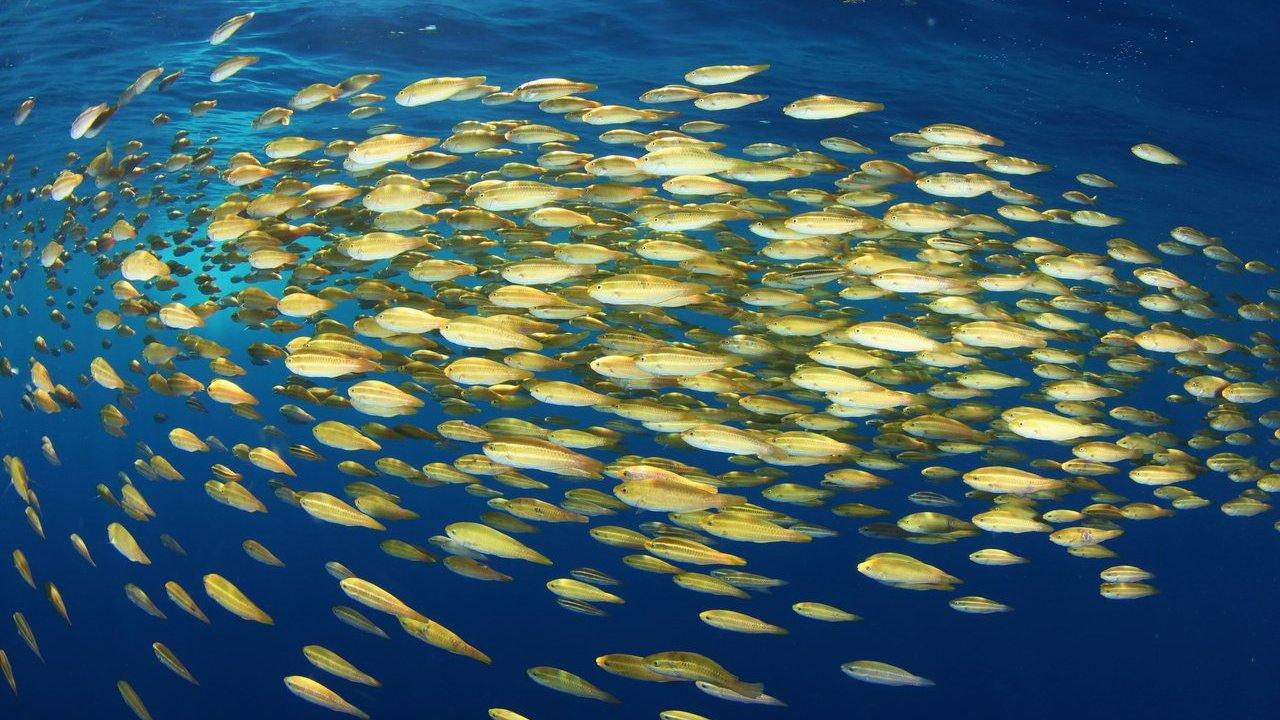
Picture a shaggy, horned giant standing calm at 18,000 feet while a blizzard rips across the Himalayas. That’s a yak, and it’s just one of the genuinely wild creatures whose names start with Y. A new species of yellow manta ray, Mobula yarae, was described in 2025 and is restricted to the western Atlantic, making it more vulnerable to human activities, pollution, and disease than other manta rays that roam wider ocean areas. This list digs into the full range, from familiar heavyweights to the animals most people have never heard of, and each one has a story worth knowing.
Exploring Animals Beginning with Y
Animals that start with the letter “Y” stretch across every continent and almost every habitat you can imagine: windswept Central Asian plateaus, southern African savannas, cloud forests in Central America. What they share is that most people walk past them in a nature documentary without catching the name. A study highlighted by the University of Arizona shows that scientists are discovering more than 16,000 new species each year on average, with fewer than 20% of Earth’s species currently documented, meaning the full roster of Y-named animals almost certainly includes creatures still unknown to science. Two species that deserve a proper look are the yak and the yellow mongoose. Both are far more interesting than their brief Wikipedia entries suggest.

Highlighting the Unique Yak
The yak is built for a world that would kill most large mammals. Living at altitudes above 14,000 feet in the Himalayas and across Central Asia, it grazes on the thin, wiry grasses and herbs that somehow survive up there. Its secret is a dense, insulating undercoat sitting beneath that famous shaggy outer coat, a two-layer system that keeps the animal functional in temperatures most thermometers struggle to register.
But the yak isn’t just a biological curiosity. For the communities living in those isolated, high-altitude regions, the yak is the economy. Milk, meat, fur, and even dung burned as fuel: this one animal covers a list of necessities that would otherwise require a supply chain nobody up there can access. Remove the yak and you don’t just lose an animal.
You collapse a way of life.
So the conservation picture matters a lot. Domestic yaks are plentiful, but wild yak populations are now classified as vulnerable, hammered by habitat loss and hunting pressure over decades. Organizations are working to establish protected areas and negotiate a workable relationship between herders and wild populations, because the two groups need to share the same land. The wild yak also carries deep cultural weight, appearing in the folklore and traditions of Tibetan and other native peoples in a way that goes well beyond economics.
Here’s the thing about the yak that most lists miss: it’s a keystone species. Its grazing habits actively shape the health of high-altitude grasslands, which then support the insects, birds, and smaller mammals that depend on those grasses. Lose the yak and the whole system shifts in ways that are genuinely hard to predict or reverse.
Discover the Yellow Mongoose
The yellow mongoose weighs roughly a pound and a half and lives in the savannas and grasslands of southern Africa. Don’t let the size fool you. This is an animal that controls rodent and reptile populations, navigates a complex social hierarchy, and posts sentinels to watch for birds of prey, all before most of us have finished a morning coffee.
Yellow mongooses live in structured colonies built around intricate burrow systems. Those burrows do double duty: cool shelter from African heat and a defensible retreat from predators. Each colony runs on a clear hierarchy, with specific individuals assigned as lookouts. When a sentinel spots a threat, the response is immediate and coordinated.
It’s the kind of organisation that makes you reconsider how you’re running your own team.
Breeding is similarly tight-knit. Family units stick together and invest heavily in raising young, which keeps the colony strong across generations. Their diet runs to insects, rodents, and the occasional reptile, and that foraging habit makes them genuinely useful in agricultural areas where rodent pressure can destroy crops. The friction comes when yellow mongoose colonies establish themselves in those same agricultural zones and farmers see them as a nuisance rather than a pest-control asset.
As a prey species, the yellow mongoose also feeds larger predators up the food chain, so protecting it means protecting more than one link in the ecosystem.
Birds Starting with Y
Birds are where the letter Y gets genuinely spectacular. Brilliant colours, extraordinary vocal ranges, migratory feats that seem physically impossible: the yellow warbler and the yellow-crowned amazon each bring something different, and both are worth understanding properly.

The Melodic Yellow Warbler
The yellow warbler is small, sunny, and loud in the best possible way. Its plumage runs yellow with olive undertones, which sounds understated until you see one backlit in spring foliage. The song is a bright, whistling series of notes that carries clearly across wetlands and forest edges across North America. That song isn’t decoration.
It marks territory and signals availability to mates, doing real communicative work throughout the breeding season.
What makes the yellow warbler remarkable beyond its looks is the migration. These birds travel from wintering grounds in Central America and the Caribbean all the way back to North America each spring, covering thousands of miles with a precision that still surprises researchers. And they do it with a body that weighs roughly a third of an ounce.
The diet is mostly caterpillars, beetles, and spiders. That foraging habit keeps local insect populations in check, which has a knock-on effect for the plants those insects would otherwise eat. And the yellow warbler’s olive-yellow colouring helps it disappear into foliage when a bird of prey passes over, a practical advantage in environments where it’s both predator and prey.
Habitat loss and climate change are shifting the conditions these birds depend on, affecting migratory timing and nesting success. Conservation programs now focus on protecting the shrubby, insect-rich habitats these birds need, because without the right conditions at both ends of the migration route, the numbers start to drop.
A few things worth knowing about the yellow warbler that you won’t find in the first paragraph of most articles:
- Their migratory routes cover thousands of miles with striking navigational accuracy.
- Song patterns vary by region, meaning a yellow warbler in Ohio sounds subtly different from one in California.
- Nesting deep in dense shrubs is a deliberate strategy that measurably improves chick survival rates.
- Their insect-heavy diet actively reduces pest pressure in the habitats they pass through.
- They adapt to a wide range of environments, from coastal marshes to mountain meadows.
- Conservation programs are directly measuring the impact of climate change on their seasonal timing.
- For birdwatchers, spotting one is both accessible and genuinely rewarding.
Learn About the Yellow-Crowned Amazon
The yellow-crowned amazon is a parrot that lives well past 50 years in captivity, which tells you something about the kind of staying power evolution built into this species. Native to tropical forests from Panama to Brazil, it’s immediately recognisable by its bright green plumage and the yellow patch on its crown. But looks are the least interesting thing about it.

These birds mimic. Fluently. Human speech, other bird calls, ambient sounds from their environment: the yellow-crowned amazon absorbs and reproduces them with a precision that goes beyond entertainment. Inside the flock, that mimicry is functional, used for social bonding and communication in ways researchers are still working to fully understand.
Their diet covers fruits, nuts, and seeds, and because they move across large territories while feeding, they scatter seeds from dozens of plant species as they go. That makes them active participants in forest regeneration, not just residents of it. The forest grows differently, and grows better, because these birds are in it.
The threats are serious. Habitat destruction shrinks the territory they need. The illegal pet trade pulls individuals out of wild populations, drawn by the same vocal abilities that make the yellow-crowned amazon so compelling to watch. Conservation efforts concentrate on habitat protection, legal enforcement against trafficking, and building awareness in local communities who live closest to these birds.
Lesser-Known Y-Animals
The yak and yellow mongoose get most of the attention, but the list of animals beginning with Y runs deeper than that. The yellow ground squirrel and the yellow-headed amazon each fill roles in their ecosystems that are easy to overlook and hard to replace.
Insights on the Yellow Ground Squirrel
The yellow ground squirrel lives in the dry steppe regions of Central Asia, spread across Kazakhstan, Uzbekistan, and Turkmenistan. Its sandy-yellow fur is almost perfectly matched to the arid terrain, and that camouflage is the first line of defense in an environment with very few places to hide.
These squirrels burrow. Deeply, extensively, and with real engineering skill. Their tunnel systems create underground networks that regulate body temperature, protect them from predators, and, usefully for the ecosystem, provide refuge for other small animals that couldn’t survive the surface temperatures. The burrows also aerate the soil and mix nutrients through the layers, doing quiet but important work for the ground above them.
The diet is herbivorous: grasses, seeds, and occasional insects. That foraging shapes which plant species thrive in a given patch of steppe, and the squirrels themselves become food for the birds of prey and ground-level carnivores hunting across the same territory. They sit at a junction in the food web where removing them would be felt in multiple directions simultaneously.
Agricultural expansion is the main threat. As farming pushes into steppe habitat, the yellow ground squirrel loses the ground it needs. Conservation work here is partly about land management and partly about convincing farming communities that this small rodent is doing work the ecosystem can’t easily do without.
Exploring the Yellow-Headed Amazon
The yellow-headed amazon takes the amazon parrot template and pushes it further. Native to lowland forests from Mexico through to northern Honduras, it carries a vivid green body with yellow spreading across the head, and it uses its voice the way a musician uses an instrument: for communication, pair bonding, territorial defense, and what appears to be genuine social pleasure.
These birds roost communally and forage in groups, building social bonds that hold flocks together across seasons. The vocalizations are sophisticated enough that researchers study them to understand how complex social information moves through avian communities. The yellow-headed amazon isn’t just calling. It’s having a conversation.
Seed dispersal is where the ecological contribution becomes measurable. Moving across large forest areas and dropping seeds from the fruits and nuts they eat, these birds help maintain the diversity of plant species in their habitat. That diversity is what makes the forest resilient, able to absorb disturbance and regenerate across decades.
The illegal pet trade is the sharpest threat this species faces. Their intelligence and speaking ability make them desirable, which drives demand, which drives poaching. Combined with deforestation reducing the habitat available to wild populations, the pressure on wild numbers is intense. Conservationists are working on legal enforcement, sustainable community practices, and awareness campaigns, all aimed at giving wild yellow-headed amazons a realistic future.
The animals beginning with Y stretch from the roof of the world to tropical forest floors, from African savannas to Central Asian steppes. And the yellow-eyed penguin, standing on the coastlines of New Zealand, belongs in that list too, a rare and striking bird that most people don’t know exists until they see one. Each of these species fills a specific role that the ecosystem around it depends on. Understanding that is the start of understanding why conservation matters at all.