Cities run hot. Everyone knows it, everyone feels it, and anyone who’s ever stepped out of an air-conditioned lobby into a sun-blasted sidewalk knows the exact moment when the heat bounces off the pavement and socks you in the chest. The good news is that a lot of that heat isn’t destiny—it’s design. Or redesign, honestly.
Urban heat can be dialed down with the right mix of plants, materials, and smart placement. These ten moves show up again and again in the cities that are actually getting this right.
1. Shade Tree Canopies
Trees are still the simplest, most generous cooling technology we have. A single mature canopy can drop surface temperatures by double digits. The trick isn’t just “plant a tree.” It’s picking species that hold up to street life—salt, pollution, tight roots—and placing them where shade hits the most pavement over the course of a day.
A lot of planners use digital design tools now to test shade coverage in plan view before planting anything, with programs like Dynascape making it easy to compare options before a single shovel hits the ground. It saves guesswork and arguments later.
2. Cool Pavements
Cool pavements look pretty normal, but they bounce more sunlight away instead of swallowing it. Light-colored concrete, coated asphalt, or even specialty mixes can bring down temps by a surprising amount.
They’re not miracle workers. They can glare. They can discolor. But for high-traffic areas where shade isn’t an option, they’re a solid move.
3. Green Roofs
Green roofs are the overachievers of urban cooling. They insulate buildings, manage stormwater, soften rooflines, and trim the heat radiating off the top of a structure. Even thin, low-profile plantings help, and they often pair well with broader sustainability measures like renewable energy adoption.
They do need maintenance—irrigation checks, weeding, seasonal cutbacks—but the heat payoff is worth it for big buildings and campuses.
4. Green Walls
Vertical plantings cut heat by shading sun-soaked facades. They’re especially useful in tight corridors where trees can’t stretch and roof gardens aren’t feasible.
You can go full “living wall” with irrigation embedded into the frame, or keep it simple with climbing vines. Both cool the air and take the edge off harsh building surfaces.
5. Permeable Paving
Permeable pavers aren’t just for stormwater. When water actually moves through the ground instead of skating off it, surfaces stay cooler. It’s subtle but noticeable, especially in plazas or parking zones.
The only caution: you have to keep them clean so pores don’t clog. A vacuum sweep or periodic rinse keeps them working.
6. Bioswales
Think of bioswales as long, skinny gardens with a job. They move stormwater, filter runoff, and cool the immediate area by pulling moisture through plants and soil. They’re great along road edges, campus walkways, and any place where you want green without eating up a full park’s worth of space.
Spacing and depth matter. Get those right, and they’re low-maintenance workhorses.
7. Reflective Hardscape Finishes
Similar to cool pavements, but more about the finishes: reflective coatings, sealants, aggregate mixes, and light-colored stone. These surfaces throw sunlight back instead of storing it like a slow-roasting fireplace.
They’re best used where walking comfort matters. No one wants to cross a plaza that feels like a skillet.
8. Drought-Tolerant Plantings
Cities don’t have the water—or the patience—for thirsty landscapes. Drought-tolerant plants solve two problems at once: they survive heat spikes and cool the microclimate around them.
It’s less about cactus and more about thoughtful pairings: resilient grasses such as TifTuf Bermuda, rugged perennials, region-appropriate shrubs. Once they root in, they need very little help.
9. Soil Mulching
Mulch isn’t glamorous, but it works. It keeps soil shaded, holds moisture, reduces evaporative heat, and keeps plants alive during brutal summers. Wood mulch, leaf mulch, gravel mulch—they each have different temperature effects, but all help keep the ground from turning into a hot plate.
The only real chore is topping it up once or twice a year.
10. Smart Irrigation
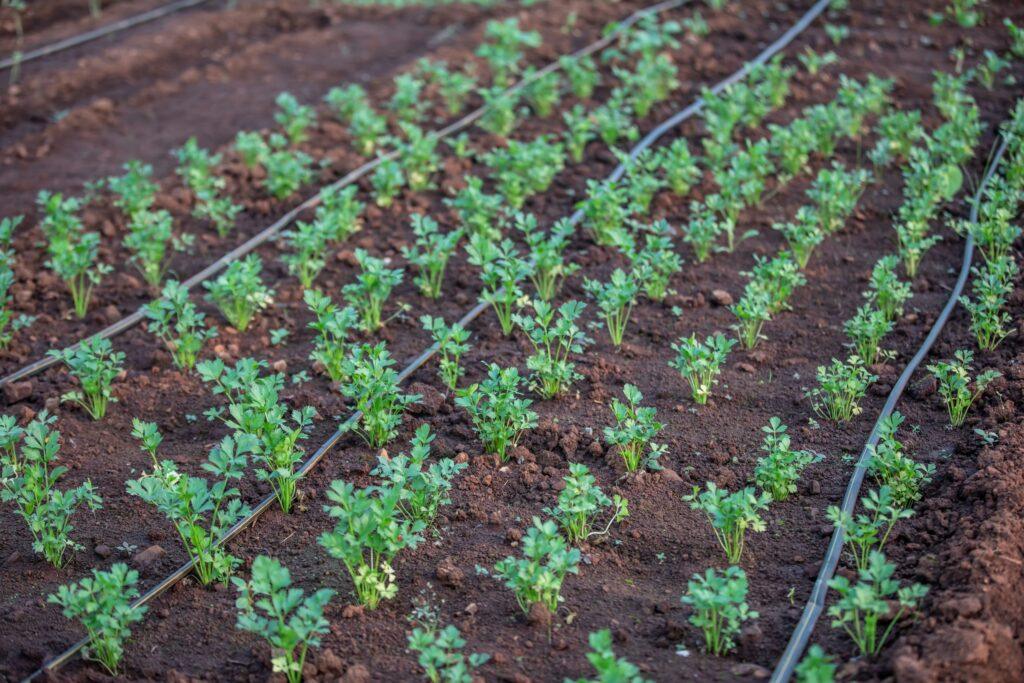
You don’t need to soak an entire lawn to cool a space. Smart irrigation systems use sensors, timers, and weather data to deliver water exactly when plants need it. Less water waste, healthier plants, and a cooler microclimate because moisture actually evaporates the way nature intended.
Campus-sized properties benefit the most here, but even a small plaza planting bed can feel different when irrigation is fine-tuned.
If you’re planning combinations of any of these elements, digital design tools can help you test shade patterns, plant quantities, and material types directly in plan view—super handy before you spend a dime in the real world.
How These Moves Actually Lower the Heat
Urban heat isn’t a one-trick problem, so the fix isn’t one trick either. It’s layers—shade, airflow, moisture, materials—stacked together in the right spots. When cities and campuses mix even a few of these strategies, the temperature drops in ways people actually feel. Cooler streets, cooler plazas, cooler evenings. That’s the whole goal: places that stay livable when the rest of the world feels like it’s sizzling.