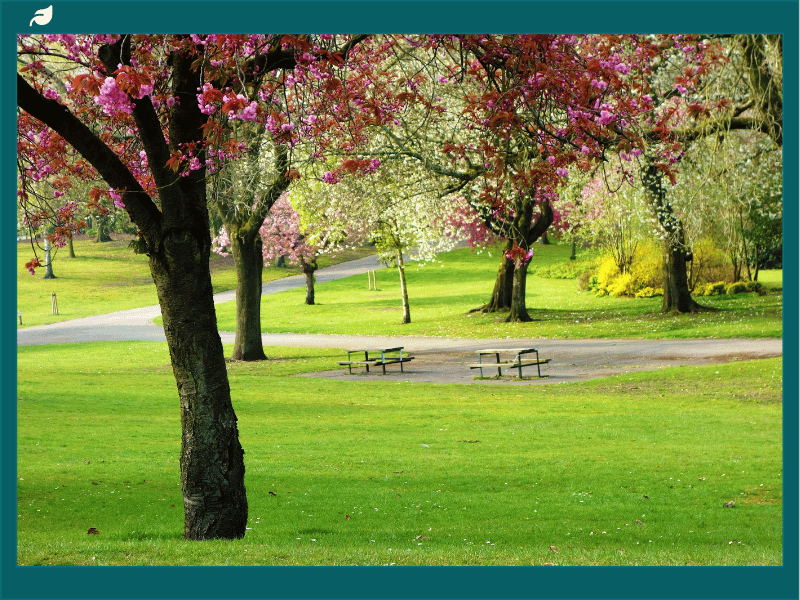
Spring is the ideal season to rethink how our outdoor spaces interact with the environment. Traditional landscaping often prioritizes perfectly manicured lawns and ornamental gardens, but these approaches can require significant amounts of water, fertilizer, pesticides, and ongoing maintenance. As climate concerns, biodiversity loss, and water scarcity become increasingly important, homeowners have an opportunity to create landscapes that are both beautiful and environmentally responsible.
Sustainable landscaping isn’t about sacrificing curb appeal. Instead, it focuses on working with nature rather than against it. By choosing resilient plants, improving soil health, reducing water consumption, and supporting local wildlife, homeowners can transform their yards into ecosystems that benefit both people and the planet.
Restore Biodiversity with Pollinator-Friendly Gardens
One of the simplest ways to improve the ecological value of a residential landscape is to dedicate space for pollinator plants. Bees, butterflies, hummingbirds, and other beneficial insects rely on flowering plants for nectar and pollen, yet many urban and suburban environments provide limited habitat.
A diverse planting of native flowering species can help restore these essential food sources throughout the growing season. Selecting plants with staggered bloom times ensures that pollinators have access to nectar from early spring through late fall. Native species are particularly valuable because they have evolved alongside local wildlife and often require less maintenance than exotic ornamentals.
Even a modest pollinator garden can contribute to regional biodiversity while reducing the need for chemical treatments commonly used on traditional lawns.
Replace High-Maintenance Lawns with Resilient Landscapes
Conventional turf grass often demands frequent mowing, irrigation, fertilizers, and herbicides. These maintenance practices consume energy, increase greenhouse gas emissions, and contribute to nutrient runoff that can affect nearby waterways.
Reducing the size of traditional lawns is one of the most effective ways homeowners can lower their environmental footprint. Portions of the yard can be converted into native gardens, ground covers, or natural planting beds that require significantly fewer resources over time.
These alternative landscapes not only reduce maintenance but also create habitat for insects, birds, and beneficial microorganisms that strengthen local ecosystems.
Build Healthy Soil Instead of Depending on Chemicals
Healthy soil forms the foundation of every sustainable landscape. Rich organic soil retains moisture more effectively, supports beneficial microbes, and naturally supplies nutrients to growing plants.
Adding compost each spring improves soil structure while reducing dependence on synthetic fertilizers. Organic matter also increases the soil’s ability to capture carbon, helping mitigate climate impacts on a small but meaningful scale.
Mulching around trees, shrubs, and garden beds further protects soil health by conserving moisture, suppressing weeds, and reducing erosion during heavy rainfall.
Rather than treating soil as an inert growing medium, sustainable gardening recognizes it as a living ecosystem that supports the entire landscape.
Choose Long-Lived Plantings That Reduce Waste
Annual flowers often require replanting every year, creating additional costs, transportation emissions, and resource use. In contrast, perennials establish stronger root systems over time and return each growing season with minimal intervention.
Because they live for many years, perennial plantings reduce the demand for replacement plants while providing consistent habitat for wildlife. Many species also become increasingly drought tolerant once established, requiring less supplemental irrigation than newly planted annuals.
Combining native perennial flowers, ornamental grasses, and shrubs creates layered landscapes that remain attractive throughout multiple seasons while supporting pollinators, birds, and beneficial insects.
Conserve Water Through Smarter Landscape Design
Outdoor irrigation represents a significant portion of residential water use in many communities. Sustainable landscaping begins by reducing unnecessary water demand rather than simply watering more efficiently.
Grouping plants according to their moisture requirements allows irrigation to be targeted where it is truly needed. Applying several inches of organic mulch around plantings helps retain soil moisture while reducing evaporation during hot weather.
Homeowners can also capture rainwater for garden use where local regulations permit. Rain barrels and other collection systems help reduce pressure on municipal water supplies while providing naturally soft water for plants.
Watering deeply but less frequently encourages stronger root systems that better withstand periods of drought.
Support Wildlife Beyond Pollinators
Sustainable landscapes provide benefits that extend well beyond bees and butterflies. Native shrubs offer nesting sites for birds, while seed-producing flowers provide food throughout the year. Trees create cooling shade, improve air quality, and reduce urban heat island effects.
Leaving portions of the landscape slightly less manicured can also provide valuable habitat. Leaf litter, hollow stems, and naturally decomposing organic material shelter countless beneficial insects that play important roles in healthy ecosystems.
Creating diverse habitats helps reconnect fragmented wildlife corridors within cities and suburban neighborhoods, allowing native species to thrive despite ongoing development.
Reduce Chemical Inputs for Healthier Ecosystems
Many conventional lawn care products contribute to environmental challenges. Excess fertilizer can wash into streams and lakes, while broad-spectrum pesticides may unintentionally harm beneficial insects alongside targeted pests.
Integrated landscape management emphasizes prevention rather than routine chemical application. Healthy soils, diverse plantings, proper watering, and native species naturally reduce many common pest and disease problems.
When intervention becomes necessary, homeowners can often choose targeted, environmentally responsible solutions that minimize impacts on surrounding wildlife and water resources.
Reducing chemical use benefits not only local ecosystems but also creates safer outdoor spaces for families and pets.
Small Actions Create Lasting Environmental Change
Climate resilience begins at the local level. Individual yards may seem small, but collectively they represent millions of acres of managed land. When homeowners replace resource-intensive practices with sustainable alternatives, the cumulative environmental benefits become significant.
Every pollinator garden established, every section of lawn converted to native habitat, and every gallon of water conserved contributes to healthier communities and stronger ecosystems.
Spring offers the perfect opportunity to begin these changes while plants establish roots under favorable growing conditions. By investing in sustainable landscaping practices today, homeowners can create outdoor spaces that conserve resources, support biodiversity, and remain resilient for years to come.
A truly sustainable landscape does more than look attractive. It works with nature, strengthens local ecosystems, and demonstrates that responsible environmental stewardship can begin right outside the front door.