
Polestar and MBA Polymers UK Join Forces to Advance Sustainable Automotive Plastics
Electric vehicle manufacturer Polestar and plastics recycling pioneer MBA Polymers UK have entered into a strategic agreement designed to accelerate the UK’s shift toward a circular economy within the automotive sector. Their collaboration places a particular focus on integrating recycled plastics from end-of-life vehicles (ELVs) into premium EV interiors, marking a significant step forward for sustainability in luxury auto manufacturing.
Pioneering a New Standard in EV Materials
This alliance responds directly to evolving EU environmental regulations. The European Commission’s proposed amendments to the ELV Directive call for at least 25% of the plastic used in each vehicle to be recycled, with a quarter of that sourced from other ELVs. That target underscores the pressing need for innovative reuse strategies across the industry. This objective is one this partnership aims to meet head-on.
The joint initiative seeks to inspire industry-wide change by demonstrating that high-performance, post-consumer recycled materials can be successfully incorporated into the interiors of top-tier electric vehicles without compromising quality or design. Polestar and MBA Polymers UK are working together to make this vision a reality, using high-grade recycled polymers to close the loop on automotive plastic waste.
From Landfill to Luxury
MBA Polymers UK is globally recognised for its expertise in transforming plastic waste from landfill-bound streams into usable, low-carbon polymers. As a subsidiary of EMR, a worldwide leader in sustainable materials, the company has committed to reaching carbon neutrality by 2040. Its cutting-edge technologies enable the creation of high-quality recycled polymers suitable for even the most demanding manufacturing applications.
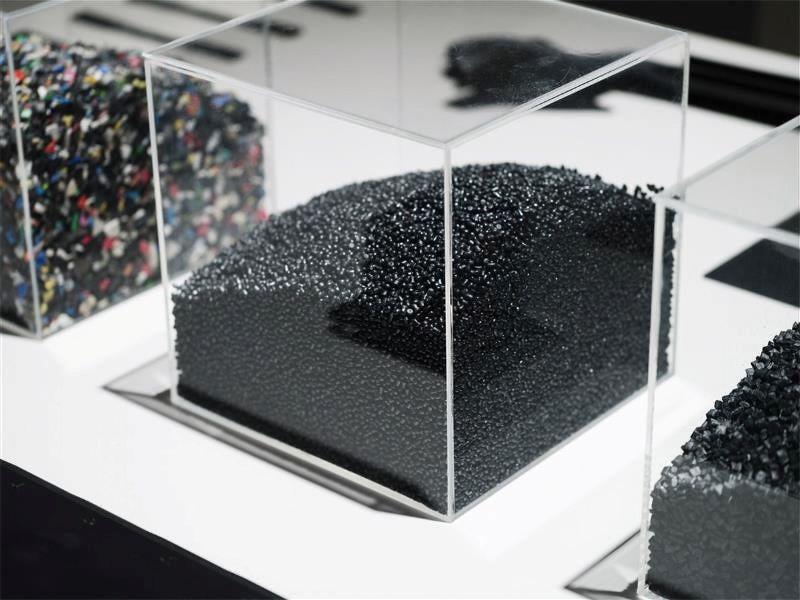
The partnership builds on MBA Polymers UK’s recent launch of its new UL-certified ABS polymer, ABS 4125 UL, which contains over 95% post-consumer recycled content. Originally developed for electronics and automotive sectors, the material offers a high-performance alternative to virgin plastics and significantly reduces reliance on finite natural resources.
Shared Mission for Climate Neutrality
Polestar, which has set its sights on building a fully climate-neutral car, continues to approach that challenge through strategic collaborations. This new partnership demonstrates the brand’s intent to leverage the expertise of innovative sustainability leaders to address the complex realities of vehicle production.
“As a leader in plastics recycling, we are dedicated to offering solutions to sustainability challenges and we are proud to partner with such an influential brand as Polestar. MBA Polymers UK’s expertise, combined with our state-of-the art technologies, will support this transition to high quality recycled plastics, enabling Polestar to truly transform the automotive industry and help to safeguard the planet for future generations,” said Paul Mayhew, Director at MBA Polymers UK.
Ross Kelk, Chief Engineer Interiors from Polestar UK R&D, echoed the enthusiasm for the collaboration: “We are delighted to welcome MBA Polymers UK as a partner. Aligned in our sustainability goals, MBA brings a wealth of expertise and innovation to the project. As an industry leader in vehicle recycling and the sustainable production of high-grade polymers, MBA Polymers UK will play a key role in supporting Polestar’s pursuit for a carbon neutral car in the future.”
The Bigger Picture: A Circular Future for EVs
As the electric vehicle sector expands, questions about the environmental lifecycle of materials, from sourcing to disposal, are becoming more urgent. This partnership represents a practical response to those questions, aligning with broader circular economy principles that emphasise waste reduction, reuse, and decarbonisation.
Polestar and MBA Polymers UK’s agreement signals a vital shift in how automakers and material providers can collaborate to solve environmental challenges. With the new ELV Directive setting ambitious targets, partnerships like this will likely become increasingly common and necessary to ensure compliance and leadership in a rapidly evolving industry.
By demonstrating that recycled plastics can meet the demanding standards of high-performance EVs, the two companies aim to set a precedent not only for other manufacturers but also for suppliers, designers, and engineers committed to rethinking sustainability in the automotive world.