The Continental tyre plant in Korbach, Germany, has achieved the prestigious International Sustainability and Carbon Certification (ISCC) PLUS certification, marking a significant milestone in the company’s sustainability journey. This recognition reinforces Continental’s commitment to increasing transparency in its material sourcing and production processes while aligning with global sustainability standards.

A Commitment to Sustainable Materials
The ISCC PLUS certification validates that Continental has met stringent documentation requirements concerning the sourcing and use of sustainable materials. It ensures full traceability of renewable and recycled materials along the entire value chain, strengthening the company’s pledge to gradually phase out fossil-based resources.
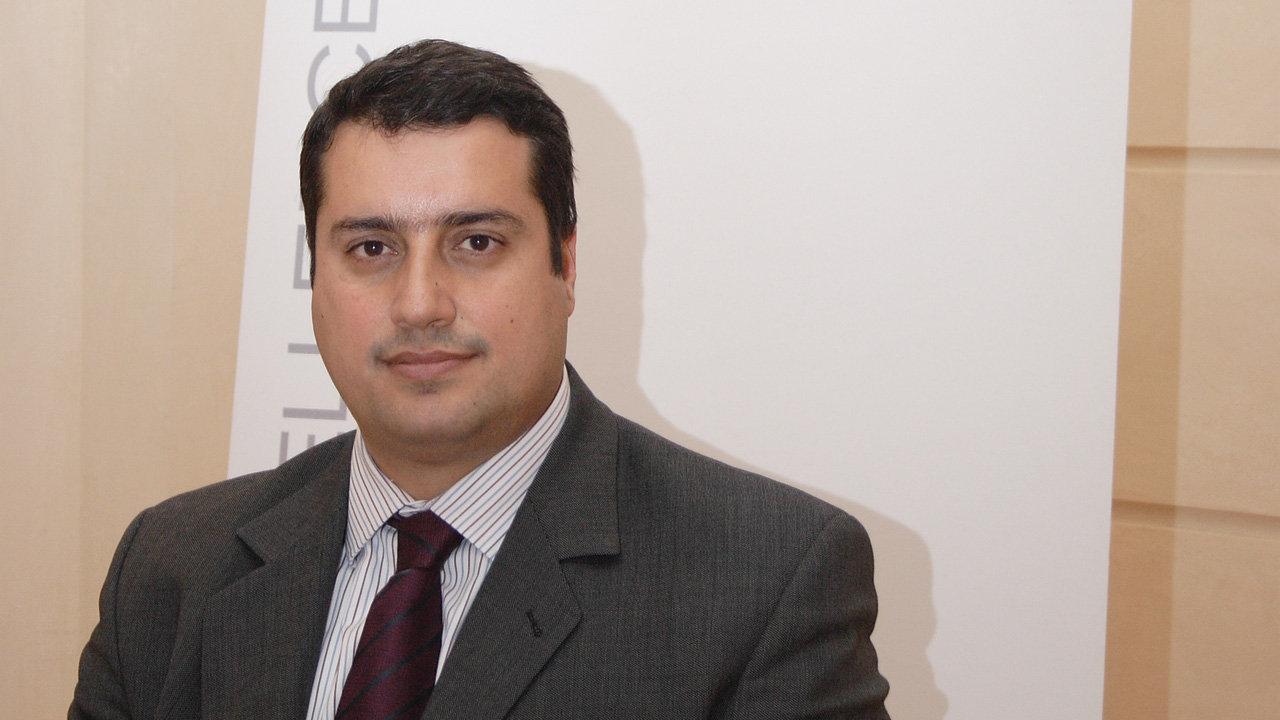
Jorge Almeida, Head of Sustainability at Continental Tires, underscored the importance of this certification, stating: “We are consistently increasing the amount of renewable and recycled materials in our tyres. Certifications contribute to transparency.”
Korbach is the fourth Continental plant to receive this certification, following similar recognitions at production sites in Lousado (Portugal), Hefei (China), and Puchov (Slovakia). The company aims to extend the ISCC PLUS certification to all its tyre plants worldwide as part of its broader environmental strategy.
Understanding the Mass-Balance Approach
A critical element in the certification process is the mass-balance approach, which allows for the integration of fossil, renewable, and recycled raw materials within existing production systems. This method enables Continental to track the proportion of sustainable materials used, ensuring that the reported share of certified components is accurate and verifiable.
“The mass-balance approach enables us to gradually increase the proportion of sustainable materials in our products,” explained Almeida. “It ensures that the share of certified sustainable materials can be accurately reported.”
Aligning with Global Sustainability Trends
As industries worldwide shift towards circular economies and climate-friendly supply chains, certifications like ISCC PLUS play a vital role in promoting sustainable practices. The ISCC framework, established in 2010, is designed to advance deforestation-free and environmentally responsible material sourcing, covering a range of certified inputs, including agricultural biomass, biogenic waste, and recycled carbon-based materials.
The UltraContact NXT, Continental’s first production tyre incorporating mass-balance-certified materials, exemplifies the company’s commitment to sustainability. Manufactured in Lousado, Portugal, since 2023, this tyre utilizes synthetic rubber derived from bio-based sources and carbon black produced from circular processes.
Innovation Driving the Circular Economy
Continental is continuously innovating to replace conventional raw materials with sustainable alternatives. Future production will integrate materials such as agricultural waste (e.g., rice husk ash), sustainable carbon black, and recycled steel to further minimize environmental impact.
Klaus Ohlwein, Head of the Continental Korbach tyre plant, highlighted the company’s sustainability-driven innovation: “At Continental, we are working worldwide to make the future of mobility more environmentally friendly. Our ISCC PLUS certification, as well as our latest step, the use of recycled PET bottles in series production, are proof of our consistent implementation here in Korbach.”
2030 and Beyond: Continental’s Sustainability Vision
With a bold ambition to incorporate more than 40% renewable and recycled materials into its tyres by 2030, Continental is positioning itself as an industry leader in sustainable mobility solutions. Looking further ahead, the company is targeting climate neutrality by 2050, aiming to manufacture tyres entirely from sustainable materials.
By committing to these long-term objectives, Continental is setting a benchmark for the global tyre industry. The Korbach facility, home to more than 3,600 employees, plays a crucial role in this transformation, producing high-performance vehicle tyres, bicycle tyres for professional cyclists, and even industrial tyres for forklifts. The plant’s High-Performance Technology Center (HPTC) and groundbreaking projects, such as the Urban Taraxagum bicycle tyre made from dandelion rubber, further underscore its pioneering role in sustainable manufacturing.
A Roadmap for Industry-Wide Change
As businesses worldwide face mounting pressure to adopt eco-friendly practices, Continental’s ISCC PLUS certification sets an example of how sustainability goals can be embedded into core manufacturing processes. By advancing material traceability, increasing the use of circular materials, and committing to long-term environmental targets, Continental is not only improving its own sustainability performance but also shaping the future of the mobility industry.
With increasing consumer demand for sustainable products, regulatory pressures, and industry-wide shifts towards responsible production, initiatives like ISCC PLUS certification provide a roadmap for manufacturers striving to achieve greener operations. Continental’s latest achievement in Korbach represents a significant step in this journey, reinforcing the company’s position as a leader in sustainable tyre production.