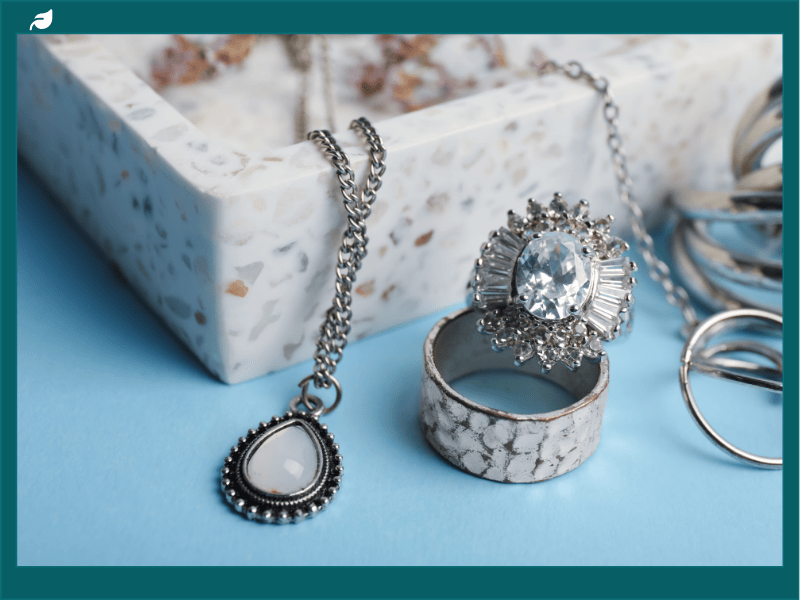
Jewelry boxes across America are getting a second look as consumers discover the hidden treasures gathering dust in their collections. What was once considered a last resort for budget-conscious shoppers has transformed into a sophisticated marketplace where vintage Cartier sits alongside contemporary designer pieces, and sustainability meets luxury.
The Numbers Tell the Story
The resale jewelry market has experienced explosive growth, with the global secondhand luxury goods market reaching $33 billion in 2022. Jewelry represents one of the fastest-growing segments within this space, driven by both environmental consciousness and the desire for unique, investment-worthy pieces.
Unlike fast fashion, quality jewelry retains and often increases its value over time. A vintage Tiffany & Co. piece from the 1980s might sell for more today than its original retail price, while contemporary pieces from emerging designers offer accessibility to luxury craftsmanship at a fraction of boutique costs.
Why Consumers Are Choosing Secondhand First
Sustainability Drives Demand
Environmental concerns have fundamentally shifted how people approach luxury purchases. Traditional jewelry mining requires moving 20 tons of earth to produce a single gold ring, while diamond mining carries significant environmental and ethical concerns.
Purchasing pre-owned jewelry eliminates the need for new mining and reduces manufacturing waste. This resonates particularly with younger consumers who view their purchases as statements about their values.
Unique Pieces With History
Resale jewelry offers something new pieces cannot: character and provenance. Each vintage piece carries a story, whether it’s an Art Deco engagement ring from the 1920s or a bold 1970s cocktail ring that reflects the era’s experimental spirit.
Modern consumers increasingly seek individuality in their jewelry choices. While mass-produced pieces flood the market, vintage and pre-owned jewelry provides distinctive options that help wearers express their personal style.
Investment Potential
Smart shoppers recognize that quality pre-owned jewelry often represents better value than new pieces. Designer jewelry typically depreciates immediately upon purchase from retail stores, similar to driving a new car off the lot.
However, buying pre-owned allows consumers to acquire pieces that have already absorbed this initial depreciation. Certain vintage pieces, particularly from renowned houses like Van Cleef & Arpels or Bulgari, have demonstrated consistent appreciation over decades.
The Digital Transformation
Online platforms have revolutionized how people buy and sell pre-owned jewelry. Professional authentication services, detailed photography, and comprehensive condition reports have addressed traditional concerns about purchasing jewelry sight unseen.
These platforms have also made it easier for individuals to sell your unused jewelry online, turning forgotten pieces into cash or trade-in value for new acquisitions. This accessibility has expanded both the supply and demand sides of the market.
Authentication and Trust
Reputable resale platforms employ certified gemologists and jewelry experts to verify authenticity and assess condition. This professional oversight has eliminated much of the uncertainty that previously deterred potential buyers.
Advanced photography techniques now allow online shoppers to examine pieces in detail that rivals in-person inspection. High-resolution images, 360-degree views, and detailed condition reports provide transparency that builds consumer confidence.
Categories Driving Growth
Vintage Engagement Rings
The engagement ring market has seen particularly strong movement toward vintage options. Couples appreciate the sustainability angle while often finding superior craftsmanship and unique designs compared to contemporary mass-market options.
Victorian, Edwardian, and Art Deco engagement rings offer intricate metalwork and distinctive design elements rarely found in modern pieces. These rings often feature superior diamond cuts and settings that showcase stones more dramatically than contemporary mountings.
Designer Statement Pieces
Bold jewelry from luxury brands performs exceptionally well in the resale market. Pieces from Chanel, Hermès, and Dior maintain strong value retention while offering buyers access to luxury craftsmanship at reduced prices.
Contemporary designer jewelry from emerging brands also finds eager buyers who appreciate innovative design but prefer not to pay full retail prices for pieces from newer, unestablished names.
Investment-Grade Watches
While technically timepieces rather than jewelry, luxury watches represent a significant portion of the resale jewelry market. Brands like Rolex, Patek Philippe, and Audemars Piguet have demonstrated consistent appreciation, making them attractive to both collectors and investors.
The watch resale market has become so robust that some models sell for more pre-owned than their original retail prices, particularly limited editions or discontinued models with strong collector demand.
Challenges and Considerations
Condition Assessment
Unlike clothing, jewelry condition significantly impacts both value and wearability. Scratches on precious metals can be polished out, but damage to gemstones or intricate settings may require expensive repairs that affect the purchase’s overall value.
Buyers should understand common condition issues and factor potential restoration costs into their purchasing decisions. Professional appraisals can provide valuable insights for significant purchases.
Authenticity Concerns
The popularity of resale jewelry has unfortunately attracted counterfeiters who produce increasingly sophisticated fakes. Buyers should only work with reputable platforms that guarantee authenticity and offer return policies for pieces that don’t meet described conditions.
According to the Gemological Institute of America, professional authentication becomes especially important for high-value pieces where financial stakes justify the additional verification costs.
The Future of Resale Jewelry
Market analysts predict continued growth in the resale jewelry sector, driven by evolving consumer attitudes toward sustainability and ownership. Younger consumers increasingly view luxury goods as temporary possessions rather than permanent acquisitions, creating a more fluid marketplace.
Technology will continue improving the online buying experience through virtual reality viewing, AI-powered sizing tools, and blockchain authentication records that provide permanent provenance tracking.
The circular economy model, where products maintain utility through multiple ownership cycles, aligns perfectly with jewelry’s inherent durability and timeless appeal.
Making Smart Resale Purchases
Successful resale jewelry buying requires research and patience. Understanding brand hierarchies, recognizing quality construction, and familiarizing yourself with market pricing helps identify genuine value opportunities.
Building relationships with reputable dealers and platforms provides access to better pieces and insider knowledge about market trends. The National Association of Jewelry Appraisers offers resources for understanding jewelry valuation and market dynamics.
Consider your purchase motivations carefully. Whether buying for personal enjoyment, special occasions, or investment purposes will influence which pieces offer the best value for your specific needs.
The resale jewelry market represents a mature, sophisticated marketplace where sustainability meets luxury, and smart consumers find exceptional value in pre-owned treasures.