
Environmental sustainability and operational efficiency are no longer secondary corporate goals in today’s modern fitness facilities, they are essential core strategy. Today’s health-conscious consumers expect studio owners and gym operators to display real environmental responsibility across all aspects of their operations. Fitness facilities that practice green initiatives like energy-efficient HVAC systems, reduced water consumption and paperless administrative processes can save money on utility costs and foster brand loyalty over time.
Sustainable operations means getting rid of physical waste and resource-heavy administrative practices. Paper registration forms, printed waivers, physical schedule fliers, and plastic membership cards create unnecessary environmental clutter and increase operating expenses. The use of cloud-based yoga scheduling software enables boutique studios and wellness centers to go fully paperless. Digital intake forms, automated class reservations and mobile check-in passes reduce paper consumption, streamline front desk workflows and create a frictionless onboarding process for eco-conscious members.
Going digital is not only about reducing paper waste, but also about building an operational framework that allows fitness facilities to track their resource usage and streamline their day to day operations. As studio owners marry their environmental goals with existing digital infrastructure, they create strong operational models that support long-term growth.
Environmentally Friendly Gym Operational Pillars
Sustainability in the fitness industry requires an integrated approach that includes energy management, digital operations, and environmentally responsible facility maintenance.
| Operational Focus Area | Traditional Gym Practice | Sustainable & Digital Solution | Environmental & Business Benefit |
|---|---|---|---|
| Administrative Workflows | Paper waivers, printed schedules, plastic cards | Cloud-based studio management & digital app passes | Zero paper waste, reduced administrative costs |
| Energy & Climate Management | Continuous lighting & manual thermostat adjustments | Smart LED lighting, motion sensors, automated HVAC | Significant drop in electricity usage & operational overhead |
| Equipment & Flooring | Non-recyclable plastic-coated equipment | Eco-friendly materials, self-generating cardio units | Reduced landfill contribution & higher equipment lifespan |
| Facility Sanitation | Single-use chemical wipes & bottled water dispensers | Refillable touchless water stations & bio-based cleaners | Drastic reduction in single-use plastic waste |
Smart facility controls, combined with digital management systems, provide operators with real-time insight into utility consumption. Smart thermostats automatically adjust room temperatures, using real-time data on class attendance to make sure energy isn’t wasted on unoccupied studios at off-peak times.
The Role of Smart Technologies in Resource Efficiency
Commercial buildings today use a lot of water and electricity every day. By upgrading to energy-efficient infrastructure, owners can dramatically reduce their carbon footprint and increase profitability on the bottom line. Research from the U.S. Department of Energy on commercial energy management shows that energy-efficient lighting and smart building controls could cut energy use by as much as thirty percent annually in commercial facilities.
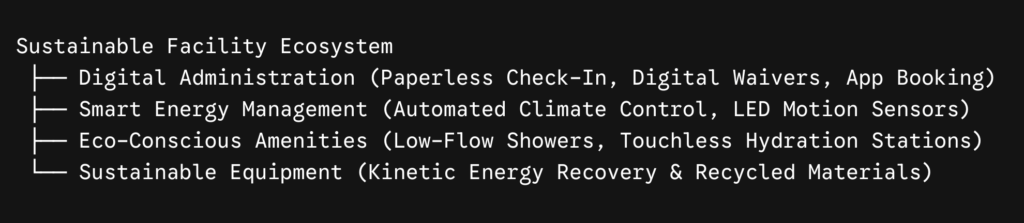
Cloud software and energy-efficient physical infrastructure work together to create a unified, eco-friendly ecosystem. touchless water refilling stations keep track of the total number of plastic bottles saved and provide management with visible metrics to share with members on studio display boards.
Using Data for Sustainable Development
Data-driven decision making drives resource optimization. The digital management software provides detailed reports on the peak hours of the facility, occupancy rate of rooms and member usage trends to the studio owners, which helps management to allocate the resources efficiently.
Here are the key sustainability and operational metrics every studio owner should be tracking:
Paper & Supply Cost Reductions: Tracking financial savings gained by moving 100% of member waivers and billing online.
Peak Space Utilization: Review room occupancy data to make sure energy is being spent on heating or cooling studios that are actually being used.
Digital Member Engagement: How many members are using the mobile app check ins versus visiting the front desk?
Utility Expense Ratios: tracking monthly energy and water expenditures as a percentage of total active facility memberships.
When these operational data points are analyzed, studio operators can identify and eliminate wasteful practices, adjust class schedules to actual demand and invest in green facility upgrades.
Building a True Sustainability-Driven Brand Culture
Environmental initiatives make more sense when they are part of a studio’s overall corporate identity. Instructors, front-desk staff and facility managers are instrumental in delivering eco-friendly values to the member community. Hosting eco-themed workout challenges, offering incentives for walking or biking to class and collaborating with local environmental non-profits creates a tight-knit community based on shared values.
For example, simple, digital-first experiences for members are a hallmark of a modern brand that respects clients’ time and the planet’s resources. Mobile booking apps allow clients to book classes, buy green retail products and manage membership profiles with no paper receipts or paperwork.
As the fitness industry continues to evolve, business owners adopting sustainable operational practices, energy-efficient facility design and digital management platforms will lead the marketplace. Learn more about how integrated digital solutions can help wellness centers reduce administrative waste and grow sustainably at https://www.wellnessliving.com/.