Portable cooling systems are becoming more popular as their features and price points improve. Many people wonder if these are better than a traditional fixed cooling system.
Both options have their pros and cons, but they really excel in different areas. Let’s take a closer look at the differences between portable and fixed cooling systems.
What Are Portable Cooling Systems?
Portable cooling systems refer to any air conditioner that doesn’t have to be mounted or installed in a specific place. You can typically move these units around to cool different rooms when needed. Most portable air conditioners are floor models that vent hot air out of a small hole through a hose.
You can plug these systems directly into an outlet without needing to hire anyone to install it. These are great options for people who rent their home or only need temporary cooling during certain seasons.
What Are Fixed Cooling Systems?
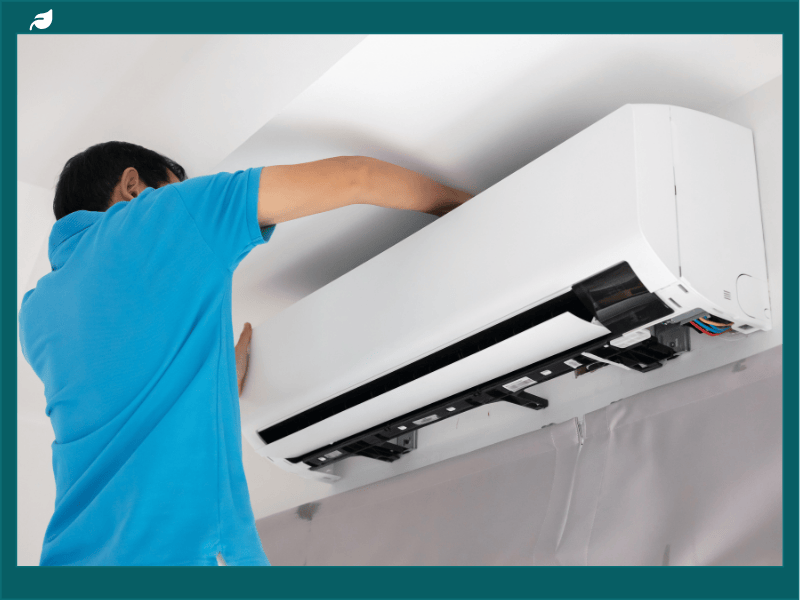
Fixed cooling systems include central air, ductless mini splits, and window units you install in the wall or window frame. These air conditioners typically require professional installation as they aren’t exactly portable. Fixed systems are also wired into your electrical grid and sometimes ductwork.
They cool the same space all of the time, rather than being moved to different rooms when necessary.
Installation and Setup
A major difference between portable and fixed cooling systems is the installation process. Portable units are entirely portable because you don’t have to install them. Just place them where you want, hook up the exhaust hose, and plug them in.
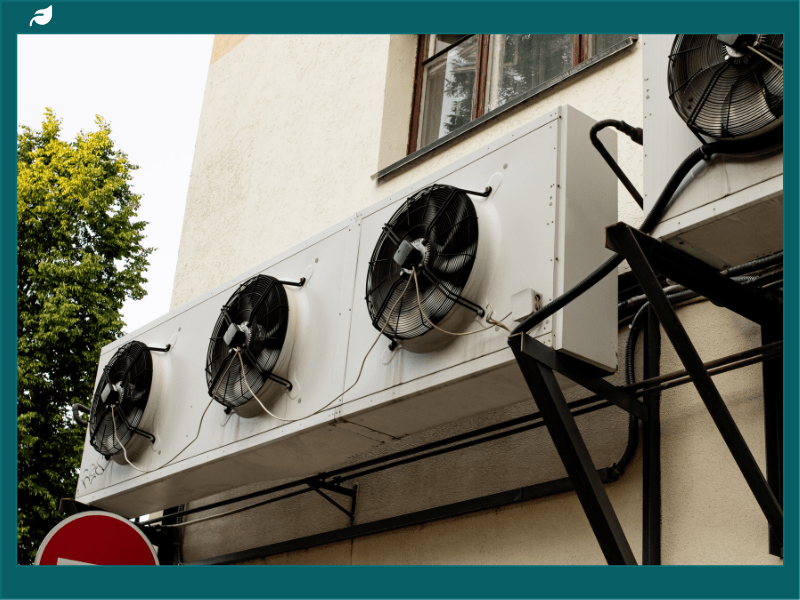
Fixed systems may need to have holes cut in your walls or roof to accommodate vents and ductwork. They also typically have external components such as compressors you’ll need to mount somewhere. While this installation process takes longer, fixed systems do tend to run more efficiently.
Cost
When it comes to cost, portable air conditioners are usually cheaper than their fixed counterparts. A quality portable air conditioner can be purchased for a few hundred dollars. Installing a central air system can cost you a few thousand dollars.
If you’re only looking to cool one room or need a system for the short term, portable is usually the way to go. However, keep in mind that portable units are often less energy efficient. Your energy bills could be higher if you run the unit for several years.
Efficiency
Fixed cooling systems also tend to be more efficient than portable units. Central air systems and mini splits cool your entire space evenly. They also have better insulation and don’t allow cool air to escape like some portable models can.
With portable units, all of the cold air is blown directly from the machine. Since these units vent hot air out of a small hose, they create negative air pressure. The result is your cool air being sucked out of the room through openings in doors and windows.
Mobility
Another advantage of portable over fixed cooling systems is the mobility. If you need cooling for a specific room on a temporary basis, portable models are more convenient. You can easily move them from room to room as your needs change.
Permanent systems are just that … permanent. If you move, you can’t take your central air system with you.
Noise
Another benefit of most fixed cooling systems is noise reduction. Portable air conditioners are much louder because the compressor is located in the same room. This can make it hard to talk or even sleep when they’re on.
Most fixed systems place noisy components outside of your home. Central air compressors and even some ductless mini-split models can be mounted outside. You won’t have to worry about noisy equipment when these are installed.
Maintenance
Finally, both fixed and portable air conditioners require maintenance. For portable units, you’ll need to drain excess condensation and clean the filters frequently. Dust and debris can build up quickly on these units since they’re moved around so much.
Fixed systems should be inspected by a professional at least once a year. They can check for refrigerant levels and any apparent issues. While this does mean scheduling someone to come to your home, it could prevent major issues later on.
When to Choose Portable ?
There are certain situations where portable air conditioning is a better choice. If any of the following scenarios apply to you, consider getting a portable unit.
Renting Your Home
Landlords typically don’t allow their renters to install permanent cooling systems. Since you can take a portable cooling system with you when you move, they’re ideal in these situations.
You Need Something Temporary
Maybe you need extra cooling for a specific season or upcoming event. As the name suggests, portable systems are great temporary solutions.
You Only Need It in One Room
If there’s only one room in your home you need cooling for, why cool the rest? Portable units are great for localized cooling.
On a Budget
Finally, your budget may dictate choosing a portable cooling system. If you can’t afford the installation cost of a fixed system, go portable.
You Plan on Moving
If you plan on moving in the next few years, getting a portable system would be wise. You can take the unit with you, avoiding the need to buy another once you move.
When to Choose Fixed
Now that we’ve covered when to choose portable, let’s discuss when you should get a fixed cooling system.
You Own Your Home
First, if you own your home and don’t plan on moving anytime soon, get a fixed system. These are ideal for cooling your home efficiently for years to come.
You Want Whole-Home Cooling
If you want to cool every room in your house, fixed systems can do this more efficiently. Since these aren’t portable, they cool the same area all of the time.
You Don’t Mind Paying More Upfront
Fixed systems are more expensive than portable units but can save you money in the long run. If you don’t mind paying more money upfront, you’ll see a big return on your investment.
Noise Will Be an Issue
As we mentioned before, portable air conditioners are loud. If noise will be an issue for you or your family, get a fixed cooling system.
Environmental Impact
Since fixed systems are much more efficient, they have a lower impact on the environment. The U.S. Environmental Protection Agency says that ENERGY STAR-frost-proof air conditioners use 8% less energy than their standard counterparts.
While manufacturing a portable air conditioner has less impact on the environment, they use more energy over time. Look for energy-efficient models if environmental impact is a concern.
Case Study: When Business Buys Fixed Cooling Instead of Portable…
Cooling gets put into portable and fixed buckets, but the reasons for choosing one or the other can be complicated.
Let’s take a case study which found out what happened when a bunch of businesses invested in fixed cooling rather than portable units.
The battle between portable and fixed cooling
The differences between portable and fixed cooling can seem relatively cut and dried on paper. In reality it often comes down to how often you use your air conditioner, how much space you need to cool, and what your long-term costs are going to be.
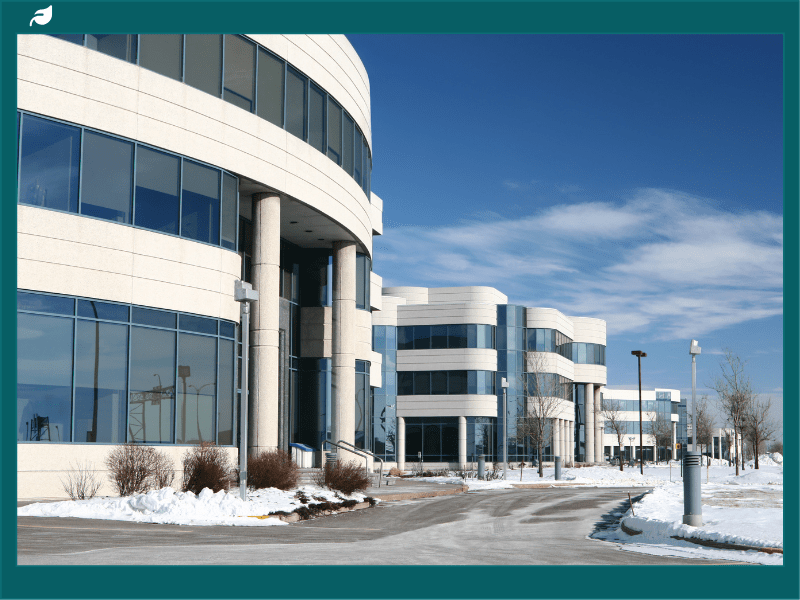
There’s a great example of this provided by the U.S. Department of Energy. They looked at high-efficiency rooftop air-conditioning systems installed in commercial buildings.
Rather than taking manufacturers’ word for how efficient their equipment was, they had businesses and building operators take part in third-party demonstrations. These measured how well the newer kit performed under actual working conditions.
As DOE estimated, those high-efficiency rooftop units went on to save business owners a significant amount on energy bills. They also provided evidence that removed some of the scepticism over investing in newer fixed cooling technology.
The programme expanded to include over 200 organisations upgrading over 43,000 rooftop units. Together those savings were reported to amount to $37 million a year on energy bills. Carbon emissions were reduced as well.
That’s not to say you should instantly opt for a fixed air-conditioning system. A portable air conditioner can make much more sense if you rent your building. It can also be better if you’re only cooling a single room or need temperature control on a temporary basis.
But what that case study highlights is something that’s often missed when people compare portable and fixed units. The cost of an air conditioner isn’t just the price you pay when you buy it.
If you’re going to have a cooling system operating day-in, day-out for years in a house, office, store or other building then running costs start to become a big factor. So too will things like maintenance and how effectively the equipment cools your space.
It’s a point the US DOE makes when it comes to purchasing. In its lifecycle-cost examples, it shows how a more efficient air-conditioning system can cost more at the outset but save you money over its lifetime through reduced energy use.
For the person trying to decide between portable and fixed cooling, that’s really the biggest takeaway from this particular case study. Don’t look at cost alone.
Sure, a portable air conditioner might be the cheaper and more practical option right now. But if you plan on using your air conditioner heavily for many years, think about how much a professionally installed fixed system could save you going forward.
FAQs
Is a portable air conditioner better than a fixed air conditioner?
Portable air conditioners aren’t automatically better than fixed ones. They’re simply better suited to different situations. Portable units work well when flexibility, low up-front costs and ease of installation are priorities. Fixed air conditioners are better for permanent installations, cooling larger spaces, and long-term usage.
Are portable air conditioners cheaper to run?
Portable air conditioners aren’t always cheaper to run. In fact, their low purchase price can actually end up costing you more if you don’t correctly assess your cooling needs. Electricity usage is just one part of the running costs of an air conditioner. Efficiency, room size, hours of operation, insulation, and the model you choose will all impact how much it costs to cool your space.
Does a portable air conditioner use more electricity than fixed?
Portable air conditioners can consume more or less electricity than fixed units. A lot depends on the equipment you’re using. For example, portable air conditioners tend to be less efficient than many fixed systems. As a result, they often have higher electricity consumption when used for longer periods. Keep in mind too that portable units can have design features (like exhaust hoses) that impact their overall cooling efficiency. Rather than focusing on price alone when comparing models, look at the relevant efficiency rating.
Are portable air conditioners good for bedrooms?
Portable air conditioners can be great for bedrooms. In fact, if you’re unable to install a permanent solution in your bedroom, a portable air conditioner can be an ideal solution. One thing to keep in mind is noise levels. With portable air conditioners the compressor is located inside the room you’re cooling. So if quiet operation is important, you might find a fixed split air-conditioning system more comfortable.
Which is better for renting: portable or fixed air conditioning?
Renting usually makes portable air conditioning the more convenient option. That’s because portable air conditioners don’t typically require permanent modifications to your home. You can set up the exhaust as needed, and take the unit with you when you move out. Just remember to double check your rental agreement before making any modifications to windows, walls or the property in general.
Is a fixed air conditioner worth the higher installation price?
If you’re a homeowner that plans on living in the same property for years then yes. Provided you do your homework before buying a fixed air-conditioning system, you can benefit from quieter operation, better cooling performance, and equipment that’s suitable for regular long-term use. The installation price should therefore be weighed up against factors like maintenance, electricity usage, and how long you’ll use the system.
Can a portable air conditioner cool my whole house?
Portable air conditioners are usually designed to cool rooms or small spaces. Many aren’t suitable for whole-home cooling. While you can move a portable air conditioner from room to room, it won’t be the same as installing a fixed system that’s properly sized for your home. A whole-home system could be a central air-conditioning unit or a multi-zone fixed cooling setup.
What is the biggest advantage of portable air conditioning?
The ability to move it. A portable air conditioner can be shifted to where you need cooling. That makes these systems ideal for renters. People staying in temporary accommodation can also benefit. So can users cooling individual rooms, home offices, or situations where installing permanent air-conditioning isn’t an option.
What is the biggest advantage of fixed air conditioning?
Consistent cooling and convenience. A fixed air-conditioning system won’t need to be moved from room to room once installed. Depending on which type of system you go for, you’ll also get efficient temperature control. Plus keeping the compressor and other noisy components located outside of the room(s) you’re cooling.
Should I get portable or fixed air conditioning?
Consider how you use your space. If you only need occasional cooling in a single room, and don’t want to spend too much on an air conditioner, go portable.
If you’re cooling a property on a regular basis then think about fixed air conditioning. Homeowners and business owners who plan on staying in one place for years should particularly take a closer look at fixed systems.
Final Words
There’s no right or wrong answer when it comes to choosing between portable and fixed cooling. If you rent your home or need something temporary, portable is the way to go. However, if you own your home and plan on staying put, consider getting a fixed system installed.
No matter what you choose, ensure you’re comfortable with your cooling needs and your budget. Weighing all of your options ahead of time will allow you to make an informed decision.