A house fire scrambles your sense of order in minutes. One moment, you are thinking about dinner or whether the laundry ever made it out of the dryer, and the next, you are standing outside trying to figure out what can be saved and how fast you need help with fire damage restoration in Oklahoma City.
The good news is that recovery is more structured than it looks in those first chaotic hours. The more clearly you understand the sequence, the easier it is to make smart decisions and avoid extra damage after the fire trucks leave.
Bigger Than It Looks
The first thing many homeowners learn is that fire damage is never just fire damage. Flames may have touched only part of the house, but soot settles into walls, cabinets, vents, and soft surfaces, while the water used to put out the fire can soak drywall, insulation, wood floors, and subfloors.
The visible burn marks are only part of the job, so professional restoration usually starts with stabilization before it moves into rebuilding. A crew may need to secure the property, board up openings, extract water, remove damaged materials, and set up drying equipment before anyone talks seriously about paint colors or replacement trim.
A thorough early response also supports sustainability by reducing unnecessary material loss and helping homeowners salvage more of what can safely be restored instead of replaced.
Homeowners sometimes want to jump straight to repairs, but the smartest first move is often careful documentation and mitigation.
What to Do First
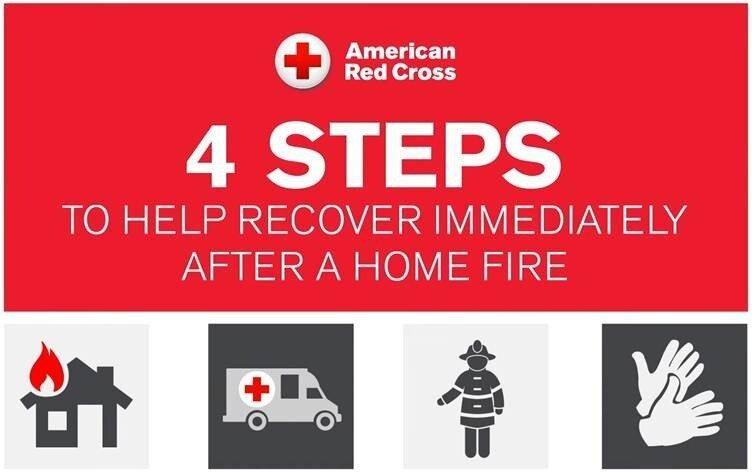
If you are dealing with the aftermath of a fire, stay out of the structure until the fire department or other local authorities say it is safe to return. The American Red Cross also recommends getting immediate medical help for serious burns and letting family know you are safe.
Once you are cleared to begin the next steps, slow down just enough to document everything. Capture the obvious damage, but also the less dramatic stuff, like warped door frames, wet ceilings, smoke residue inside drawers, damaged electronics, and anything moved by firefighters during the response.
A good early checklist looks like this:
· Confirm the home is safe to enter.
· Photograph and video all visible damage.
· Contact your insurance carrier and open the claim.
· Save receipts for emergency purchases and temporary housing.
· Ask what mitigation steps should happen immediately.
· Keep a written log of calls, names, and approvals.
Small details can matter later if there is a dispute over scope.
Everyday Habits as the Most Common Cause
A lot of homeowners are surprised to learn how often fires begin with ordinary routines. Cooking remains the leading cause, with 167,800 residential fires in 2023, along with 125 deaths, 2,500 injuries, and $572.7 million in dollar loss.
That explains why restoration companies spend so much time dealing with grease residue and damage that spreads well beyond the room where the fire started.
Evaluating a Fire Restoration Company
When you start comparing restoration providers, look past the generic promise that they’ll “handle everything.” That phrase sounds reassuring, but it does not tell you much.
You want specifics. Ask:
· Do you handle both mitigation and reconstruction?
· Is smoke odor treatment included in the scope?
· How often is the estimate updated?
· What does the expected order of work look like?
It is also worth asking how they separate salvageable materials from total-loss items, whether they use eco-friendly cleaning methods, and whether they follow disposal practices for damaged materials. Some surfaces can be cleaned and sealed, while others need to go because they are structurally compromised or permanently contaminated by smoke and water.
The best crews can explain why a wall section stays or why a cabinet might be restorable even if the drywall around it is not.
Experience with local conditions matters too, as storms and seasonal weather can complicate boarding, drying, roofing, and temporary protection. A company that actually understands the practical realities of securing a damaged property is usually easier to work with than one that gives you a polished sales pitch and little else.
Resilience Matters More Than Ever
Even for homeowners dealing with an indoor fire rather than a wildfire, climate change has pushed resilience higher on the list of household concerns. The Southern Great Plains, which includes Oklahoma, is expected to face hotter and drier conditions, so more homeowners should be thinking seriously about preparedness and maintenance.

Fire recovery is easier to navigate when you already know where your insurance documents are, have updated photos of major belongings, maintain working smoke alarms, and have a family plan for exits and emergency contact. Those things do not prevent every fire, but they reduce confusion when time matters most.
At the end of the day, a fire-damaged home needs a methodical response. The right restoration approach protects the structure, limits avoidable secondary damage, supports the insurance process, and helps you move from shock to decisions.
Done well, restoration can also reduce environmental impact by limiting landfill waste and helping rebuild a safer, more efficient home.