Sustainable businesses are becoming more widely recognized, but they still face a challenge: people often support the idea of sustainability, yet they may not understand the value or effort behind it. According to PWC, consumers are willing to pay 9.7% more for sustainable brands, and the number is even higher among younger shoppers.
This shows that people do care — but to choose a brand, they need clarity. They need to understand what makes a business sustainable, how it contributes to positive change, and why their choice matters.
Smart marketing helps make that connection. It helps sustainable businesses share their message clearly, reach the right audience, and grow steadily without compromising values.
This article explains how that happens in simple, real ways.

Share Values Clearly and Consistently
Many sustainable businesses are built on strong principles — reducing waste, supporting fair labor, protecting natural resources, or uplifting communities. But customers only know and appreciate these values when they are communicated clearly.
This does not require complicated statements or heavy technical explanations. It means using simple words to explain:
- What the business stands for
- Why the mission matters
- How the business is trying to create a positive impact
Consistency also matters. When the same message is shared across the website, social media, packaging, and conversations, the brand feels steady and trustworthy. People feel more connected when they can understand the purpose behind the products they choose.
Reach the Audience That Already Cares
Not everyone is looking for sustainable products, and that is okay. Growth comes faster when a business focuses on people who already value eco-conscious choices. These are customers who read labels, ask questions, and care about long-term impact rather than convenience.
This is where thoughtful marketing guidance is useful. But, looking for the right audience yourself could be overwhelming and cost you a lot. Therefore, you must partner with experts to identify these customers. Supportive partners like Premier Online Marketing help know where these people spend time online. They do this by studying search behavior, audience interests, and the language customers use when they talk about sustainability. Instead of broad ads or generic outreach, they help shape targeted communication that feels human and intentional. This means a brand doesn’t have to speak louder — just more clearly and to the right people.
When the right audience is reached, marketing becomes more meaningful and less wasteful, aligning perfectly with sustainability.
Tell the Story Behind the Product
Sustainable products are often made with extra care. They may cost more to produce or require thoughtful sourcing. Without context, some customers only see the price difference — not the meaning behind it.
This is where storytelling helps.
A story can explain:
- Where ingredients come from
- Who is involved in production
- How the product reduces harm or gives back
- What the business hopes to change
Stories make the brand human. They create emotional understanding. Customers begin to feel what the business cares about — and that feeling builds loyalty.
Stories turn a product into something meaningful.
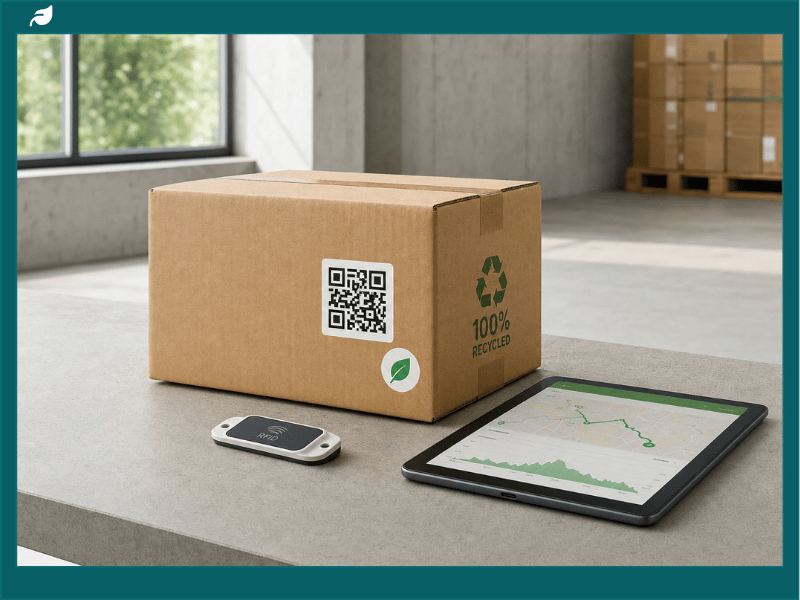
The way a story is presented also matters. Thoughtfully designed packaging or printed materials with a metallic finish can visually reinforce the care and intention behind a sustainable product. When brands choose premium materials such as responsibly sourced papers that add depth and subtle shine, they help communicate quality, values, and purpose at first glance. Using high-impact options, such as specialty papers from sources like Red River Paper’s metallic collection, can enhance storytelling without distracting from a brand’s commitment to sustainability.
Use Content to Educate Rather Than Sell
Sustainable businesses often have the knowledge that customers want to know. It includes widely discussed topics, such as:
- Why a material is better for the environment
- How waste reduction helps long-term health
- Why choosing mindfully matters
Sharing this knowledge through blogs, guides, infographics, newsletters, or small social posts helps build trust. The tone should be friendly and helpful, never instructive or superior.
When you use content that educates, it:
- Makes the brand feel supportive
- Helps customers make confident choices
- Builds a community that grows naturally over time
This approach replaces hard-selling with value-sharing, which is more in line with the heart of sustainability.
Build Trust Through Real Proof and Everyday Transparency
In sustainability, trust is everything. People want to see evidence, not just claims. Even a simple proof can make a powerful difference.
Examples include:
- Photos of real production spaces
- Customer stories and feedback
- Certifications or verified standards
- Plain-language explanations of sourcing
Transparency makes the mission believable. And when people believe, they support. Another example is getting professional headshots in San Diego, which can help put a friendly, authentic face on your team and earn customers’ trust.
Being open builds confidence — and confidence builds long-term loyalty.
Grow Steadily, Not Suddenly
Sustainable growth is gentle. It respects the capacity of the team, the environment, and the long-term vision. Instead of rushing to expand, sustainable businesses often choose to grow slowly, in steps.
Smart marketing supports this rhythm by:
- Focusing on long-lasting customer relationships
- Encouraging repeat purchases, not fast trend waves
- Keeping messaging calm, honest, and thoughtful
Growth becomes stable, predictable, and manageable — not overwhelming.
When growth is steady, the mission remains intact.
Wrapping It All Up!
Sustainable businesses thrive when their values are communicated clearly and thoughtfully. Smart marketing helps share their message, connect with people who care, and build trust through transparency and storytelling. Growth becomes meaningful, steady, and aligned with purpose — not rushed or forced.
When communication is genuine, the business and its mission grow side by side. And that is what makes sustainable success last.