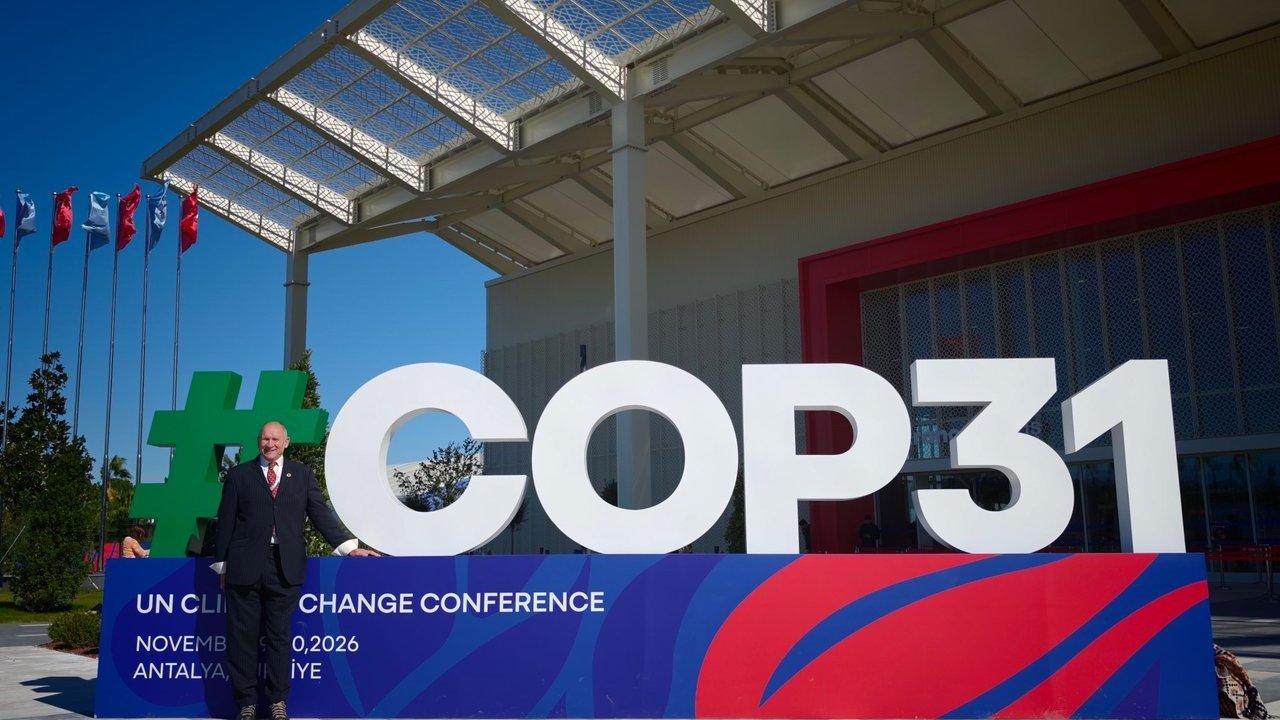
The University of Leicester will present a new video on food security at COP31, placing agricultural science within the climate summit’s programme in Antalya, Türkiye. Produced by Professor Pat Heslop-Harrison, Science into Action for Net Zero: Agriculture, Adaptation and Mitigation will appear in the UK COP31 Digital Showcasing Programme, one of only two contributions from UK universities. The film will be displayed on a large screen in the networking areas of the UK Pavilion in the UNFCCC-accredited Blue Zone between 9 and 20 November. Its message is clear: dependable food production must respond to changing conditions while reducing its environmental effect.
Science For Reliable Food
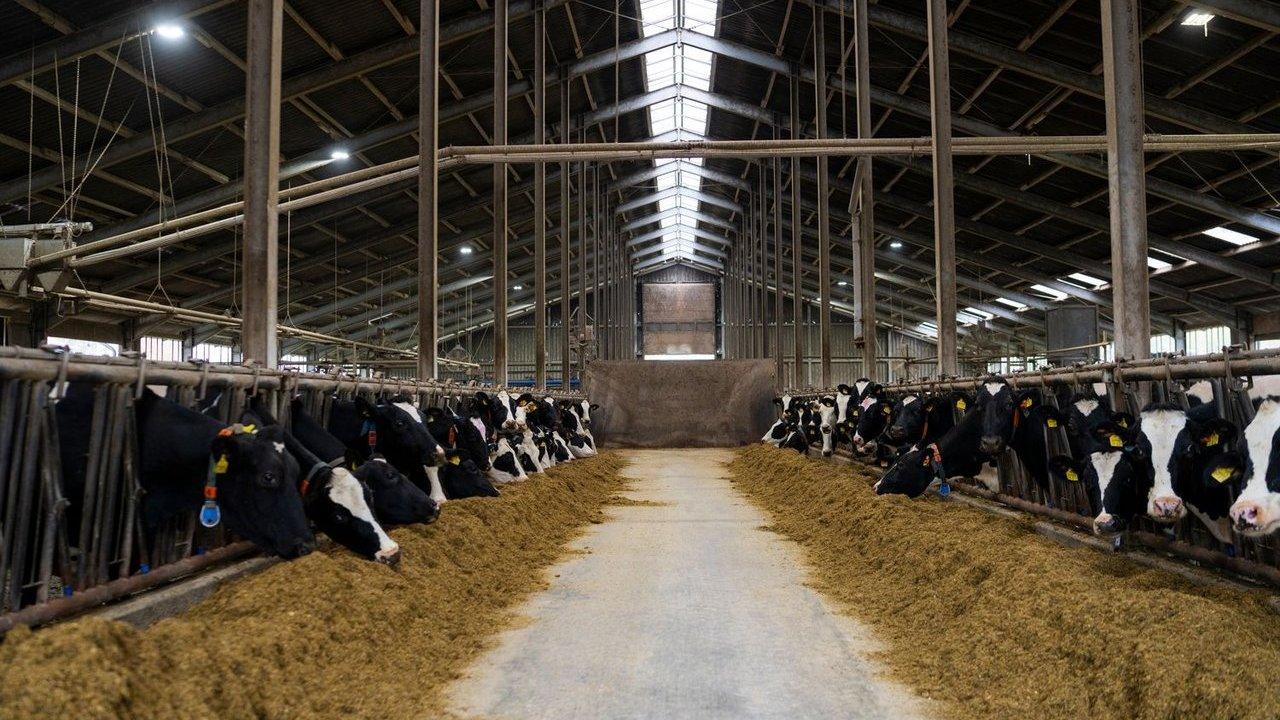
The Leicester film examines how genetics research can assist farmers facing less predictable growing conditions, new pests and diseases. It focuses on crop types with the potential to improve resilience, alongside approaches that can support higher yields and more sustainable food for cattle.
Rather than treating food output as the sole measure of success, the project places sustainable production at the centre of food security. The university’s researchers argue that climate adaptation and mitigation need to sit together in decisions about agriculture and land use.
Professor Pat Heslop-Harrison, Professor at University of Leicester, said:
“COP31 is a global platform where we can show the impact of our research in looking at the genetics and types of crops that have potential to ensure that food production adapts to a changing climate but its effect on the environment is minimised.
“Agriculture and land use can also mitigate climate change, even going below net-zero and not only minimising greenhouse gas emissions but actually sequestering carbon in our soils. COP31, and the teaching we do in Leicester, is also a terrific way for working with the next generation who will be so affected by a changing world.”
A Place In The Pavilion
The video’s inclusion in the UK COP31 Digital Showcasing Programme gives the University of Leicester a visible position in the summit’s networking areas. Displayed within the UK Pavilion, it will introduce delegates to research connecting agricultural production with adaptation, mitigation and environmental stewardship.
The presentation comes as climate change makes farming conditions more difficult to predict. The release identifies diseases and pests among the pressures affecting food systems, while also pointing to scientific work that can make crops more resistant to disease or improve their yield.
The university’s contribution is especially relevant to discussions around the balance between food security and emissions reduction. It presents soils as a potential carbon store and agriculture as a sector that can contribute to climate mitigation as well as reducing greenhouse gas emissions.
Leicester Research At COP31
Professor Heslop-Harrison is one of nine Leicester researchers travelling to COP31. Their work spans Earth observation, sustainable land management, climate resilience, green finance and food security, reflecting the broad range of research being brought to the conference.
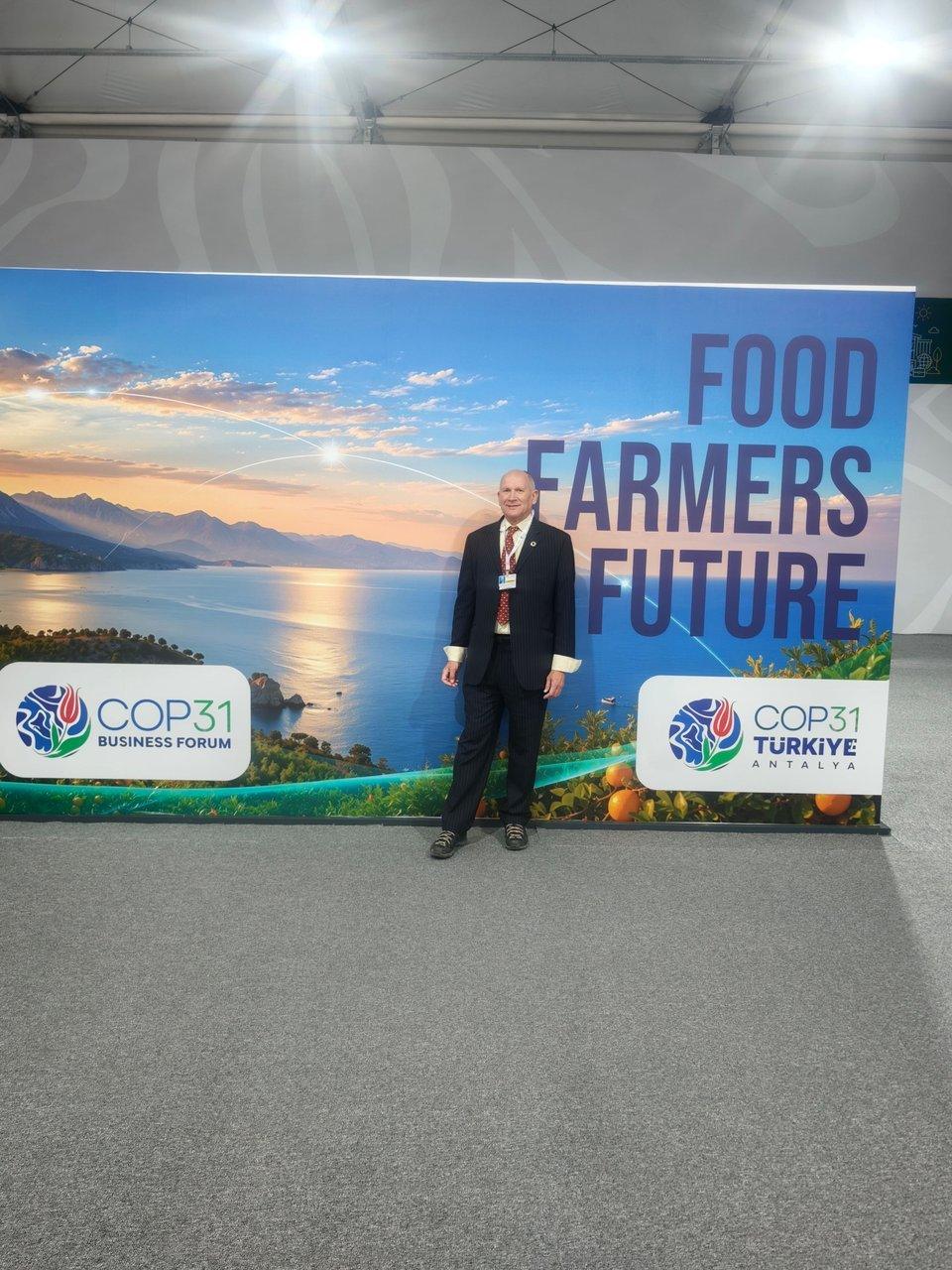
Across exhibitions, panel discussions and events, the group will present practical work on how science, finance and digital innovation can support global climate action. The Blue Zone programme provides a setting for research institutions to connect those subjects with international policy conversations.
For the food security project, the emphasis remains on practical outcomes for producers. Farmers need options that can support reliable food supplies in conditions altered by climate change, while limiting the environmental cost associated with producing that food.
Food Systems And Climate Action
The Leicester video offers a focused account of the role agricultural research can play in the climate response. It brings together crop genetics, disease resistance, yields, cattle feed and soil carbon in a concise case for food systems that can withstand changing conditions.
Its COP31 screening also gives the university an opportunity to put food security alongside other climate priorities being discussed in Antalya. By connecting research with the needs of farmers and the wider food system, the project presents sustainable production as an essential part of reliable long-term food supply.
The contribution demonstrates how university research can reach beyond laboratories and classrooms, bringing evidence on agriculture and land use into a major international climate forum. For delegates in the UK Pavilion, it offers a timely reminder that dependable food must be produced with both climate resilience and environmental care in mind.