Plymouth Marine Laboratory has identified potential new protected corridors that could connect deep-sea reserves in the Pacific’s Clarion Clipperton Zone. The research, conducted with partners including the National Oceanography Centre, University of Plymouth, Aarhus University and the Joint Nature Conservation Committee, examines protection across an area roughly the size of Europe and around 5,000 metres below sea level. Its modelling indicates that a small number of additional sites could increase simulated larval exchange between reserves by more than 400-fold. The findings arrive as more than 1.1 million square kilometres of the zone are licensed for mining exploration and commercial extraction could begin within years.
Abyssal Habitat Under Pressure
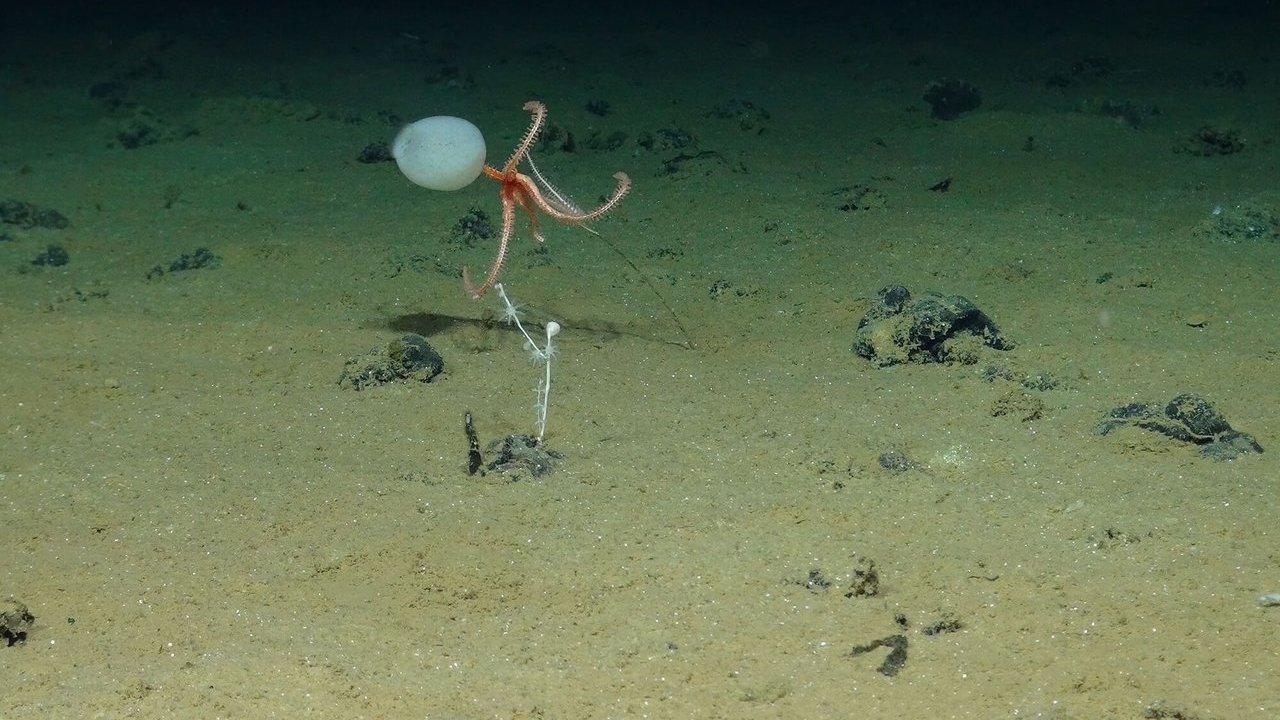
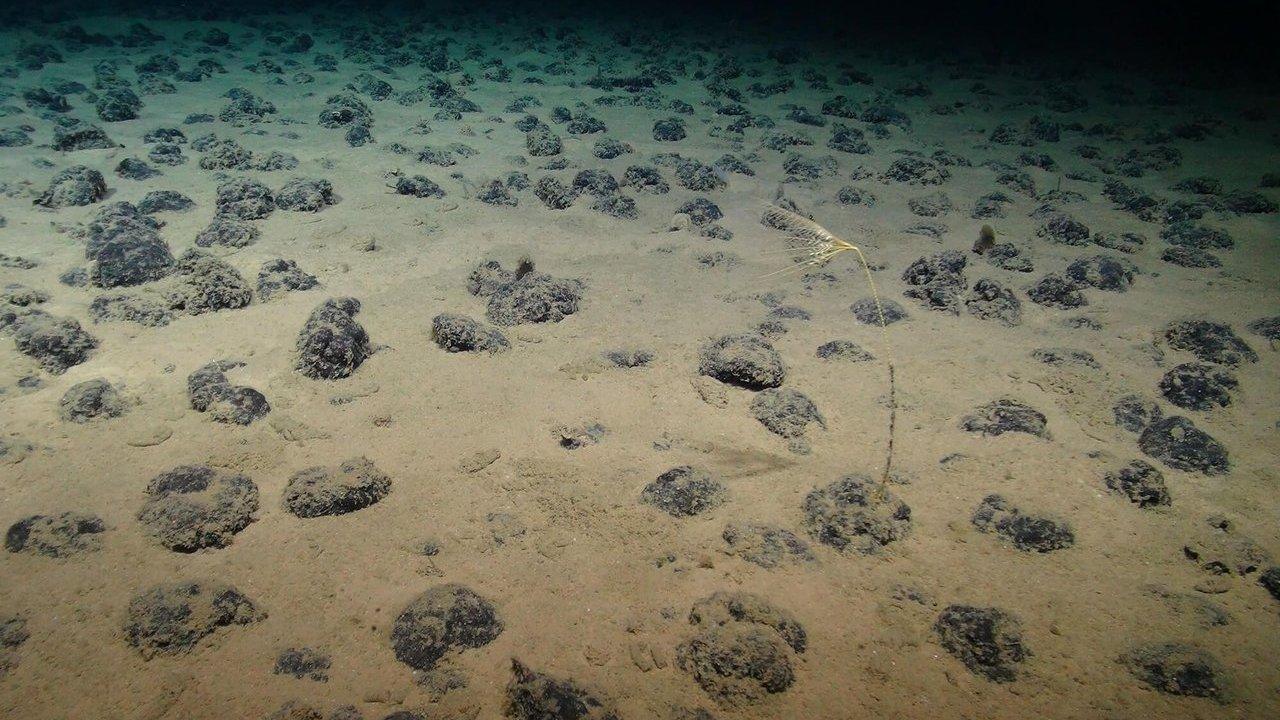
The Clarion Clipperton Zone, or CCZ, is a central Pacific region whose seabed contains polymetallic nodules rich in nickel, cobalt and other metals used in electronics. Its muddy plains also support microbes, invertebrates and fish, while nodules provide hard surfaces for sponges and corals in an otherwise soft sediment environment.
The abyssal seafloor covers more than half of Earth’s surface and plays a role in carbon cycling by sequestering carbon and regulating climate. Its ecological value has placed particular attention on how mining activity may affect habitats that remain difficult to study directly.
To address these concerns, the International Seabed Authority has designated 13 Areas of Particular Environmental Interest, known as APEIs. Together, the no-mining reserves cover nearly two million square kilometres, selected principally to represent a range of seafloor habitats.
Testing Connections Between Reserves
The study, published in Nature Ecology & Evolution, tested whether those reserves function as a connected network. Researchers used computer models of ocean currents across the CCZ to follow larvae drifting just above the seabed, where deep-sea larvae are known to concentrate.
The results suggest that larvae capable of drifting for more than two months generally travelled less than 100 kilometres. Existing reserves are separated by distances of 200 to 800 kilometres, and fewer than two in every 10,000 simulated larvae released from one reserve reached another.
Dr Molly James, Marine Ecosystems Modeller at Plymouth Marine Laboratory, said:
“The existing deep-sea reserves are distributed across the ocean but with significant gaps between them. Our modelling suggests that rather than functioning as a connected network, they currently operate more as separate conservation areas.”
Corridors For Larval Exchange
The team also modelled a scenario in which mining disturbs larval supply within licensed areas. Under those conditions, existing protected reserves supplied only a small proportion of the larvae that could replenish affected sites. Most simulated replenishment instead came from nearby seabed without legal protection.
Using the same ocean-current models, the researchers identified locations for additional protected corridors between the existing reserves. A small number of carefully selected sites, largely outside current mining claims, connected every reserve into a single modelled network.
This arrangement increased simulated exchange between reserves by more than 400-fold. In the mining-disturbance scenario, it also nearly doubled the contribution of protected areas to replenishing damaged sites.
Professor Kerry Howell, Ocean Challenge Lead for Biodiversity Loss at Plymouth Marine Laboratory, added:
“Our study shows that the current network is not ecologically coherent. Adding these corridors will move the network to something theoretically more effective at conserving biodiversity and aid recovery should mining go ahead.”
Evidence For Future Protection
The research was carried out through the Seabed Mining and Resilience to Experimental Impact project, which examines how deep-sea ecosystems may respond to and recover from mining disturbance. The International Seabed Authority is considering ways to strengthen environmental protection in the CCZ before possible mining approvals.
The authors propose that freely available ocean circulation data can help identify conservation opportunities where detailed biological surveys are scarce. The approach could also be used in other deep-sea regions facing similar pressures.
The modelling assesses the physical possibility of dispersal through near-bed currents, rather than proving population exchange or recovery in practice. Future fieldwork, including direct current measurements and genetic sampling in the areas identified for protection, will be needed to test those outcomes.
A Connected Conservation Network
The study presents a practical route for improving the ecological coherence of deep-sea protection before commercial mining expands in the CCZ. By focusing on links between existing reserves, the research gives decision-makers a modelled basis for considering how protected areas can support biodiversity and recovery across a much wider seafloor region.