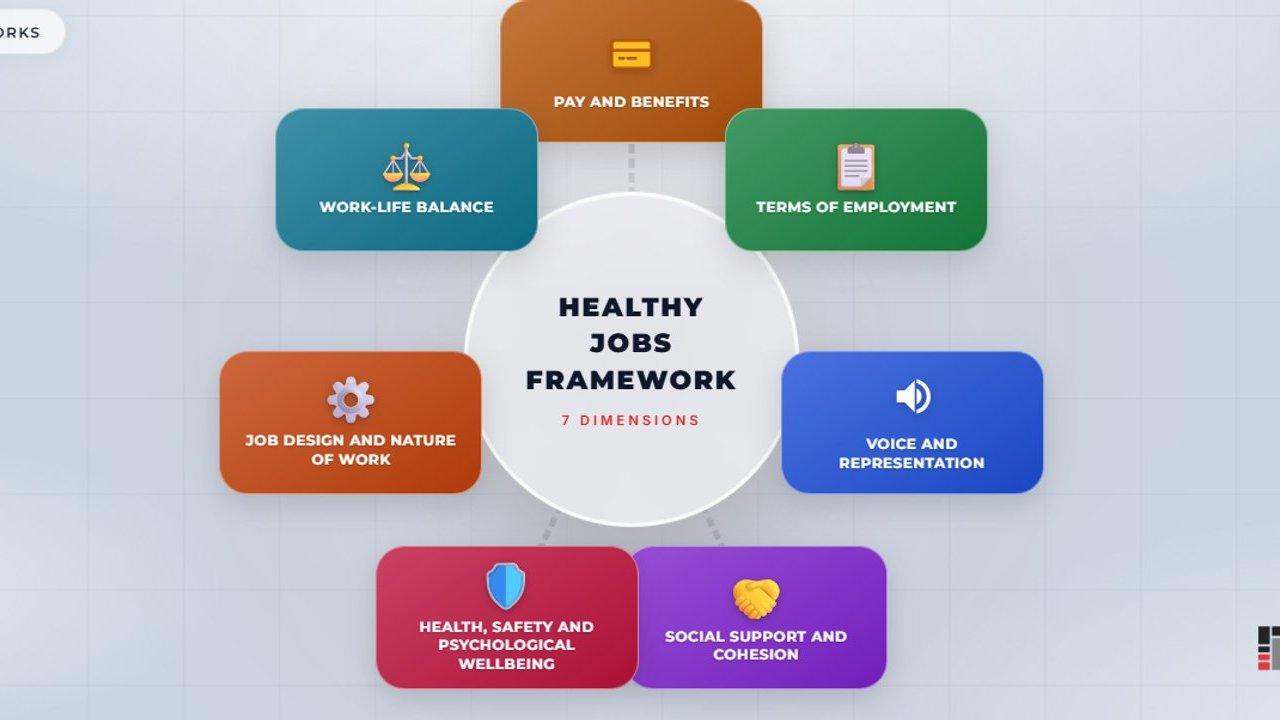
The University of East Anglia has contributed to a £1.5 million research initiative that has produced an online resource to help employers design work that supports employee health. The Creating Healthy Jobs project identifies 32 features of healthy work across seven areas, from flexible working and fair pay to job security and employee voice. Led by the University of Warwick with partners including UEA, Cardiff University and the University of Birmingham, the project responds to an estimated 1.8 million UK workers experiencing poor mental or physical health because of their jobs. It also addresses the approximately 300,000 people who leave the labour market each year with a health condition, shifting attention towards job design that can help people stay healthier for longer.
A Preventative View Of Work
The project positions healthy employment as a practical part of workforce sustainability. Rather than concentrating only on measures that help people remain in employment after becoming unwell, the research considers how employers can reduce workplace conditions that may contribute to ill health in the first place.
Its online resource draws together research, policy and workplace evidence into a framework intended to give employers and policymakers a clearer route to healthier job creation. The approach recognises that work quality extends beyond physical safety, covering the day-to-day conditions that shape wellbeing, security, autonomy and connection at work.
Prof Kevin Daniels, from UEA’s Norwich Business School, said:
“Work should be good for your health, not bad for it.
“For too long we’ve focused on fixing workers when they become unwell, rather than fixing the jobs that may be making them unwell in the first place.
“The challenge isn’t simply keeping people in work. It’s creating work that keeps people healthy.”
Thirty Two Features Of Healthy Work
The Creating Healthy Jobs resource sets out 32 features across seven areas of work, including work-life balance, job design, pay, job security and employee voice. Its recommendations range from broad organisational principles to operational changes that employers can apply in everyday working practices.
Examples include offering flexible working, planning shifts in advance, limiting excessive working hours and reducing unnecessary out-of-hours emails. The resource also points to opportunities for employees to interact with colleagues, understand how their work improves customers’ lives and contribute ideas about how work can be improved.
Other elements include greater control over work, chances to develop skills, supportive management, fair pay, secure employment and a meaningful role in workplace decisions. Taken together, these measures present job quality as a foundation for both individual wellbeing and a more resilient workforce.

Prof Kevin Daniels, from UEA’s Norwich Business School, added:
“A healthy job is about more than avoiding injury. It means giving people greater control over their work, supporting a healthy work-life balance and creating a culture where they feel valued and respected.
“Simple steps such as flexible working, better shift-planning, limiting excessive hours and reducing out-of-hours emails can make a real difference to wellbeing.
“By creating healthier jobs, employers can improve productivity while helping people stay healthier for longer.”
Research Partnership And Funding
The project brings together expertise from the University of Warwick, UEA, Cardiff University and the University of Birmingham. It is funded by the National Institute for Health and Care Research through its Work and Health Research Initiative, placing workforce health within a dedicated research programme.
By producing a resource that connects evidence with workplace action, the collaboration gives organisations a structured means of considering how working arrangements affect health. The framework offers a useful reference point for employers examining the relationship between job design, employee wellbeing and the capacity to retain people in work.
Prof Chris Warhurst, Director of the Institute for Employment Research at the University of Warwick and principal investigator of the project, said:
“The high rate and cost of job-related ill health have been described as a national crisis.
“What matters is finding the tipping point between jobs that are bad or good for health. Let’s not only debate how we keep people working, but how work can keep people healthy too.
“By understanding what makes work healthy, we can help employers and policymakers create jobs that support both wellbeing and long-term economic prosperity.”
Building A Practical Roadmap
The next stage of Creating Healthy Jobs will examine how healthy work differs between sectors, regions and demographic groups. This research is intended to help employers and policymakers understand where workplace conditions vary and how improvements can better support workforce health.
For businesses, the resource provides a constructive reminder that employment practices such as scheduling, communication expectations, employee participation and management support can have material consequences for health. Its emphasis on manageable changes makes the framework particularly relevant to organisations seeking to strengthen wellbeing while supporting productivity and long-term participation in the labour market.
As the project develops, its findings are expected to offer a practical roadmap for healthier and more sustainable jobs across the UK. The work makes a persuasive case for treating job design not as an administrative detail, but as a central consideration in efforts to improve wellbeing, reduce inequalities and sustain a healthier workforce.