SUNOTEC has moved its 100 MW / 441 MWh standalone battery energy storage system in Stendal, Saxony-Anhalt, into construction, with commissioning planned for the first quarter of 2027. Set to rank among Germany’s largest battery storage systems on completion, the project represents a substantial addition to the country’s flexibility infrastructure. Developed through the SECURSUN joint venture with securenergy, the scheme will be delivered by SUNOTEC as a full-turnkey provider. WT Energiesysteme GmbH will build the new 110 kV substation required to connect the facility to the grid.
A Major Storage Addition
The Stendal BESS reached Ready-to-Build status in the second quarter of 2026 and is now progressing from development into delivery. Its 441 MWh capacity is intended to store electricity when supply is high and make it available when needed, giving the electricity system more flexibility as renewable generation expands.
Large-scale storage has become an increasingly important complement to variable renewable power, helping to balance periods of abundant generation with demand at other times. For Saxony-Anhalt, the project also brings new energy infrastructure investment to the region, while supporting a more resilient electricity system.
With responsibility spanning engineering, installation, and long-term operations and maintenance, SUNOTEC is applying an integrated delivery model to the site. That approach brings project execution and the future management of the asset within the company’s capabilities as the BESS moves towards operation.
European Experience Applied Locally
SUNOTEC enters the German storage market with experience from utility-scale projects across Europe. The company reports 6.1 GWh of installed BESS capacity across the continent, creating a substantial base of technical and delivery experience for the Stendal development.
The project reflects the company’s broader expansion of battery storage activities across Europe, including in markets where increasing renewable deployment is creating a need for flexible energy infrastructure. At 100 MW, the Stendal system is designed at a scale suited to a major role in managing electricity supply and demand.
Bernhard Suchland, CEO at SUNOTEC, said:
“We have spent the past years building battery storage at a scale that would have seemed ambitious not long ago. Today, SUNOTEC has installed over 6 GWh across Europe. What we have learned there is simple: storage works, and Europe needs much more of it. Stendal is our opportunity to bring that experience to Germany as it represents exactly the kind of infrastructure that will become increasingly important as Europe builds an energy system with significantly more renewable generation. And for SUNOTEC, Stendal is only the beginning.”
Launch Marks Construction Phase
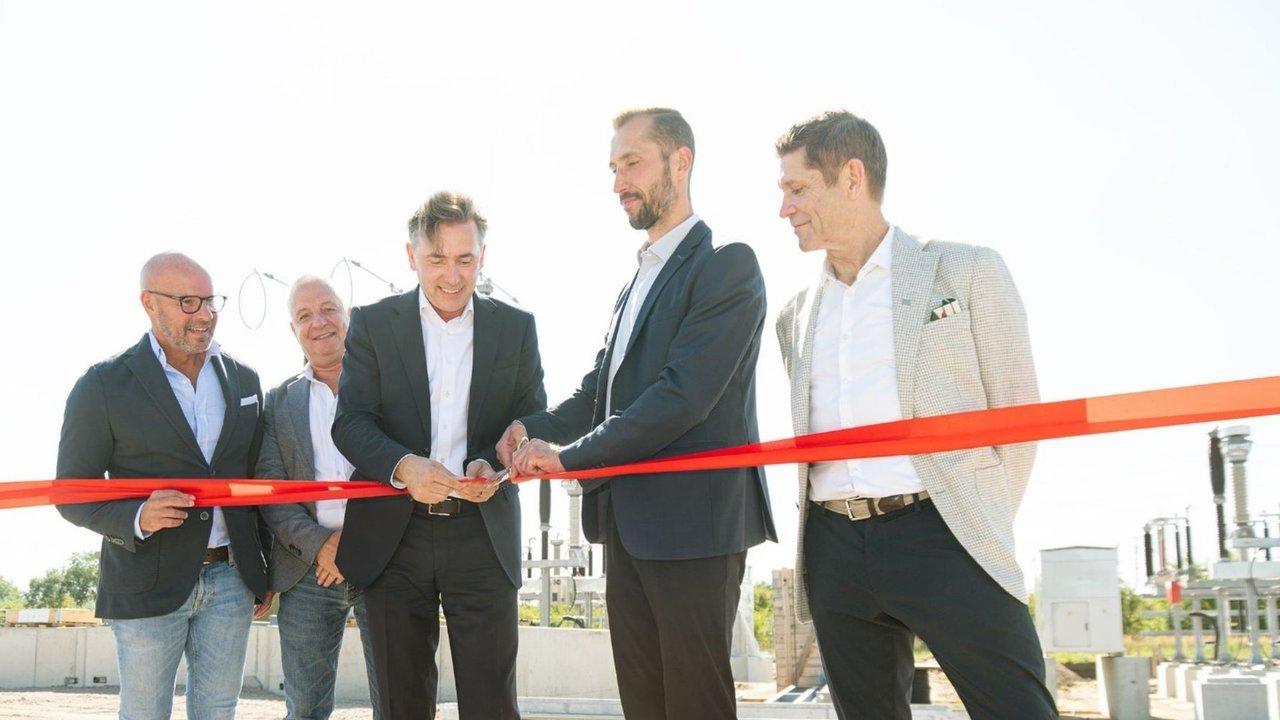
SUNOTEC marked the official project launch on 27 August at the future Stendal storage site. The event brought together 65 guests from politics, the energy sector, project partners and the local community, signalling the transition from project preparation to physical delivery.
Attendees included Thomas Wünsch, State Secretary at the Ministry of Science, Energy, Climate Protection and the Environment of Saxony-Anhalt; Bastian Sieler, Lord Mayor of the Hanseatic City of Stendal; representatives of Avacon and WT Energiesysteme; alongside senior SUNOTEC representatives and other project partners.
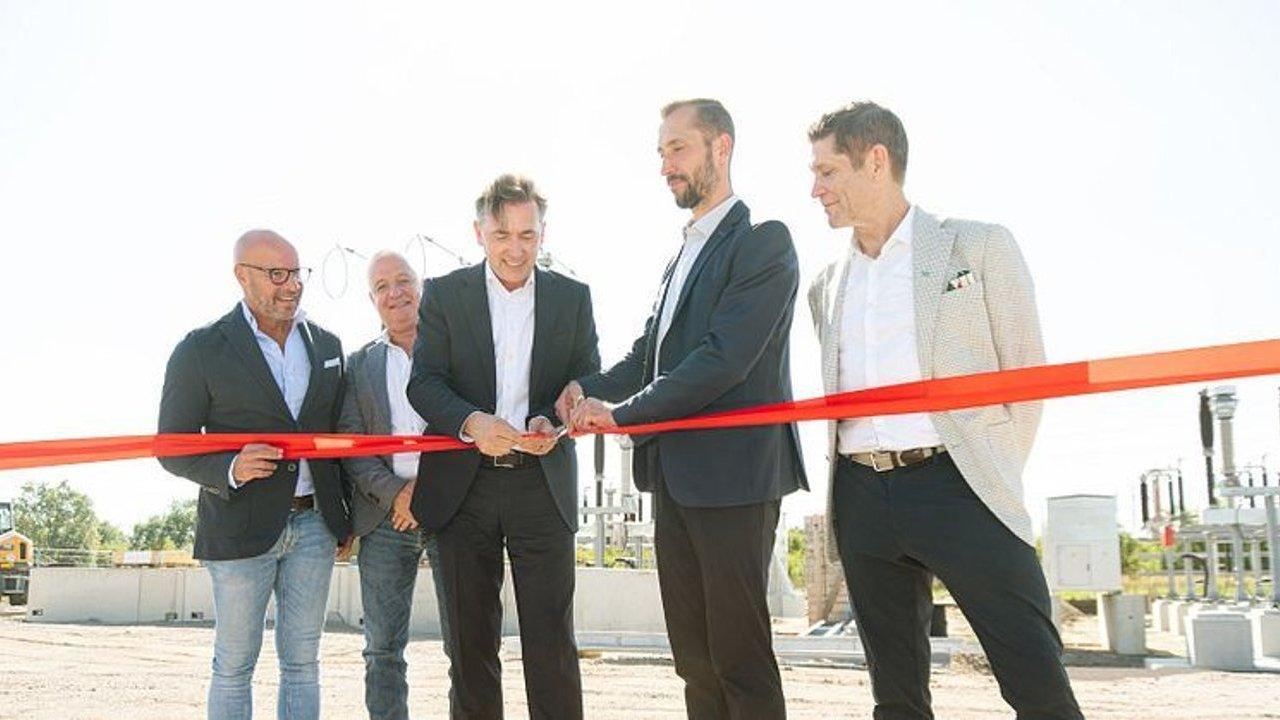
Speakers at the ceremony focused on the importance of continued energy infrastructure investment in Saxony-Anhalt and the role of large-scale batteries in Germany’s energy system. The gathering concluded with a symbolic launch at the future storage site, where representatives marked the milestone with a ribbon-cutting ceremony.
Grid Connection Takes Shape
The project was developed through SECURSUN, SUNOTEC’s joint venture with securenergy, before reaching Ready-to-Build status. With development complete, SUNOTEC is now leading implementation of the storage infrastructure, continuing its role through the project’s construction and operational stages.
WT Energiesysteme GmbH is responsible for constructing the new 110 kV substation at the site. The substation will provide the grid connection infrastructure necessary for the battery energy storage system, an essential element in enabling the facility to receive and release electricity.
The division of responsibilities gives the project a clear route from development through construction, connection and long-term asset management. It also combines specialist grid infrastructure delivery with SUNOTEC’s established experience in large-scale renewable energy and storage systems.
Building Flexibility For Renewables
Stendal offers a practical example of how utility-scale battery storage is being incorporated into Germany’s electricity infrastructure. By holding electricity during high-supply periods and making it available later, the system is intended to support the integration of renewable generation while providing flexibility to the grid.
For SUNOTEC, the project establishes a major German reference point within its European storage portfolio. With commissioning targeted for the first quarter of 2027, the 100 MW / 441 MWh facility will bring the company’s delivery experience into one of Europe’s key renewable energy markets, while adding a sizeable new asset to Germany’s battery storage capacity.