NG Bailey has launched a dedicated Low Carbon business unit designed to help organisations move decarbonisation plans off the page and into buildings that perform. The new unit draws together the engineering group’s data-led insight, technical advisory capability and delivery expertise across the full building lifecycle, from initial strategy and financing through to construction and ongoing optimisation. It arrives as tightening regulation, rising energy costs and mounting expectations from investors and occupiers push organisations to treat low carbon performance as a commercial priority rather than a compliance box to tick. The offer builds on work NG Bailey has already delivered at sites including Wellington Place in Leeds, Manchester University’s Booth Street East and 45 Mortimer Street in London.
A Structure Built Around The Building Lifecycle
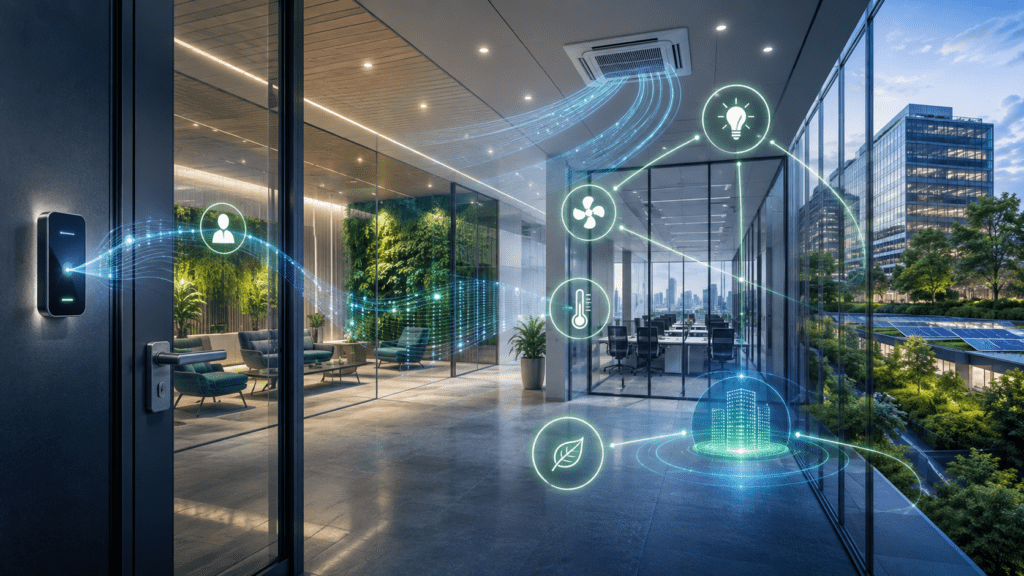
NG Bailey Low Carbon is organised into three stages designed to keep clients supported from first conversation to long-term operation. The Advise stage helps clients understand their current position, build practical roadmaps and identify commercially viable investment strategies. Deliver brings together NG Bailey’s role as principal contractor and MEP designer with in-house technical design, construction, installation and commissioning expertise. Optimise then supports buildings once operational, using real-time data, technical maintenance and performance monitoring to drive measurable savings and long-term value.
Turning Ambition Into Investable Action
The new unit is pitched squarely at the gap between sustainability ambition and the practical, financial realities of getting projects built and funded. Rather than treating low carbon upgrades as a standalone technical exercise, the team positions its advisory work around robust business cases and financing solutions that give clients a clear route to implementation.
Jonathan Kershaw, Low Carbon Director at NG Bailey, said:
“Lower carbon is not just about meeting targets; it is about creating better performing, more resilient assets whether that be buildings, campuses or factories, that deliver commercial, environmental and societal benefits.”
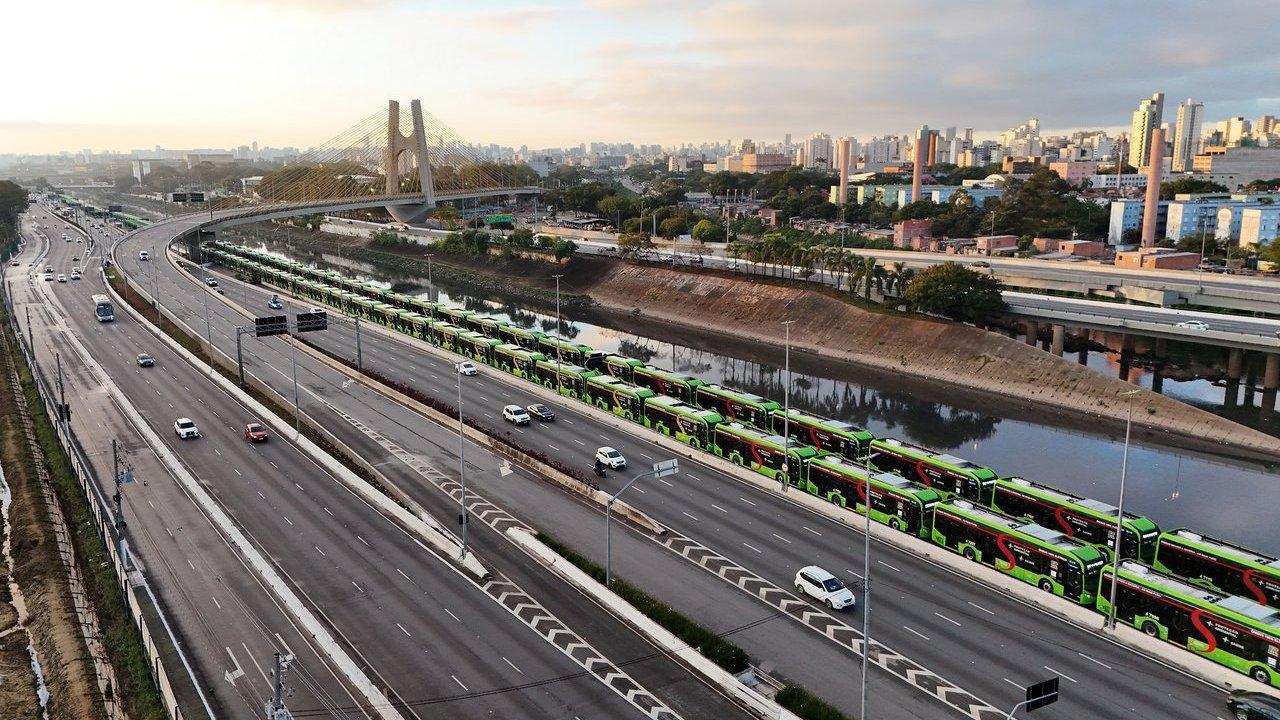
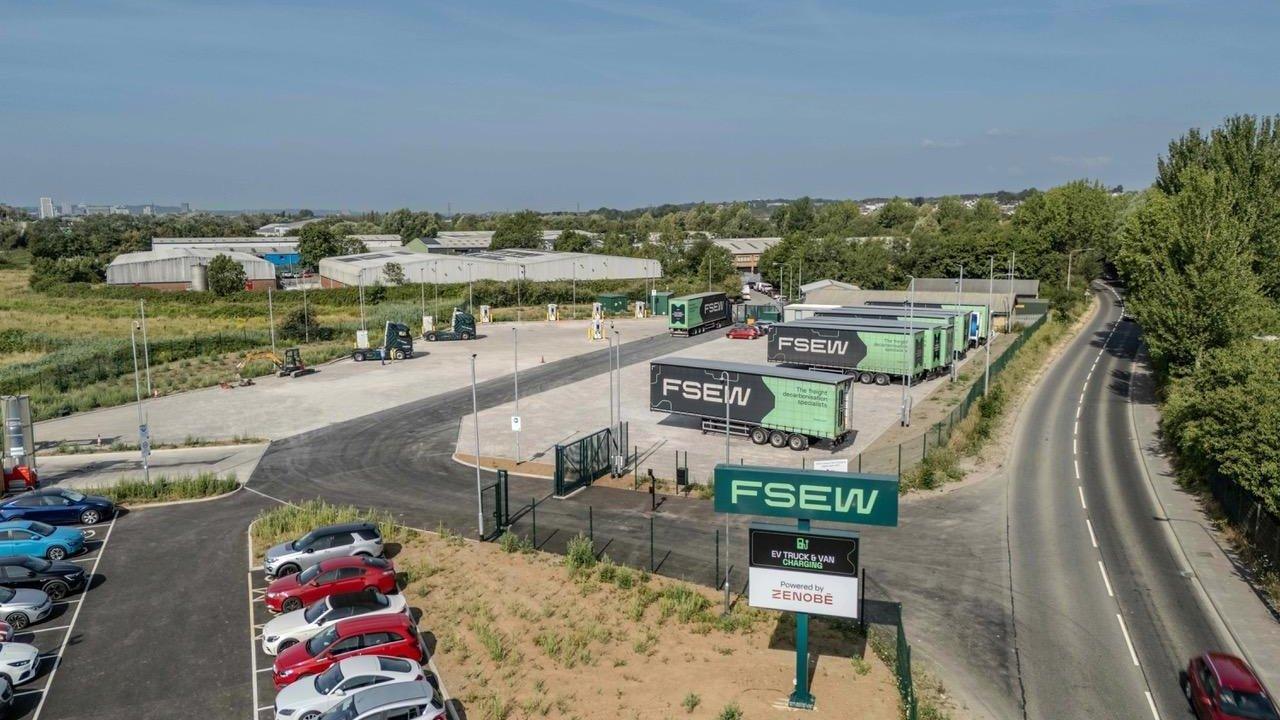
“NG Bailey is committed to being at the forefront of our industry with our expert teams already leading projects ranging from net zero energy infrastructure and EV transport systems to retrofitting low-carbon technology into large scale developments.”
“Through these projects we’ve gathered insight, intelligence and expertise which we believe can have a lasting and tangible positive commercial impact on our partners, their buildings and wider infrastructure. By bringing together the full range of our services from across the business we provide a fully integrated solution that supports the entire lifecycle of a building.”
Grounded In Delivery Experience
The company is framing its advisory strength as a direct product of hands-on delivery, arguing that understanding how buildings are designed, constructed, maintained and used in practice makes for advice that holds up commercially, not just technically.
Jonathan added:
“We understand buildings from every angle, how they’re designed, how they’re constructed, how they’re maintained and how they perform in use. That means our advice is grounded in real-world delivery experience, not theory. We can help clients make the commercial case, secure a clear route to funding options and implementation before delivering and optimising the solution over time.”
“Ultimately, through low carbon solutions we’re helping to unlock the potential and long-term value of both new and existing developments, strengthening the wider built environment for the benefit of all.”
A Fuller Offer For A Harder Market
By pulling advisory, delivery and optimisation into a single business unit, NG Bailey is betting that clients facing tighter regulation and costlier energy want one partner across the whole journey rather than a patchwork of specialists. The approach applies as much to new developments as to retrofits of older stock, reflecting the reality that most of the UK’s building emissions problem sits in buildings that already exist. With projects already running across net zero energy infrastructure, EV transport systems and large-scale retrofits, the new unit gives NG Bailey a clearer route to market for capability it has been building for years.