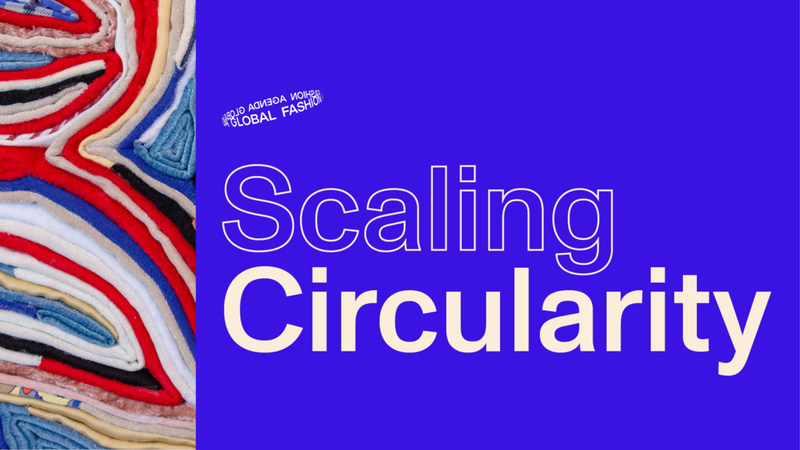
Sustainability has become one of the defining challenges facing the global fashion industry. Clothing production consumes vast quantities of water, energy, and raw materials while generating millions of tonnes of textile waste every year. As governments, manufacturers, and consumers demand more responsible business practices, the industry is moving beyond incremental improvements toward a circular economy—one that keeps products and materials in use for as long as possible.
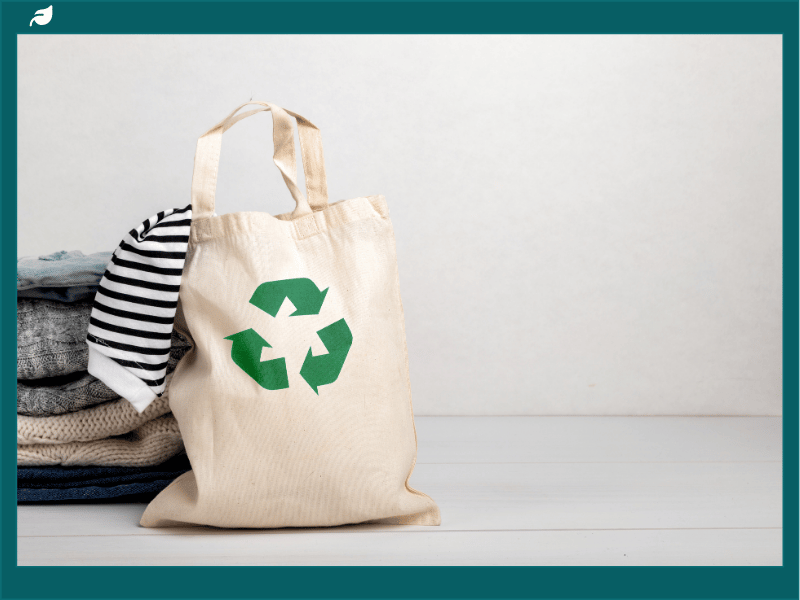
Unlike traditional “take, make, dispose” manufacturing, circular fashion aims to reduce environmental impact by designing products for durability, repair, reuse, and recycling. This approach is transforming not only how garments are produced but also how companies measure success. Environmental performance, resource efficiency, and supply chain transparency are becoming as important as profitability.
Why Fashion Needs a Circular Economy
The environmental footprint of the apparel sector extends far beyond clothing stores. Raw material extraction, textile manufacturing, dyeing processes, transportation, and garment disposal all contribute to greenhouse gas emissions, water pollution, and landfill waste.
According to industry research, millions of garments are discarded each year despite remaining wearable. Many are made from blended synthetic materials that are difficult to recycle, creating a growing waste management challenge worldwide.
Circular fashion addresses these issues by reducing dependence on virgin resources and encouraging manufacturers to recover value from existing materials instead of continuously extracting new ones.
Patagonia: A Proven Sustainability Case Study
Few companies have demonstrated a stronger long-term commitment to environmental responsibility than Patagonia. Rather than treating sustainability as a marketing campaign, the company has integrated environmental stewardship into its business strategy for decades.
Its sustainability initiatives include:
- Extensive use of recycled polyester and recycled nylon.
- Organic cotton sourced to reduce chemical-intensive farming.
- Transparent reporting on manufacturing practices.
- Investment in renewable materials research.
- Product repair services that extend garment life.
- Resale programs that keep clothing in circulation.
These initiatives reduce resource consumption while helping customers purchase fewer products over time.
The Worn Wear Initiative
Patagonia’s Worn Wear program has become one of the most widely recognized examples of circular fashion.
Instead of encouraging customers to replace clothing whenever it becomes worn, the initiative promotes repairing garments, trading in used products, and purchasing professionally restored apparel.
Every repaired item represents fewer raw materials extracted, less energy consumed during manufacturing, and reduced textile waste entering landfills.
By extending a garment’s useful life, companies can significantly reduce its overall environmental footprint while supporting more responsible consumer habits.
Sustainable Materials Reduce Environmental Impact
Material innovation plays a central role in creating a more sustainable fashion industry.
Manufacturers increasingly invest in recycled fibers recovered from post-consumer plastics and industrial waste streams. These materials reduce reliance on fossil-fuel-based virgin resources while lowering carbon emissions associated with textile production.
Organic cotton offers another important improvement by minimizing synthetic pesticide use and supporting healthier agricultural ecosystems.
Although performance apparel—including women’s tracksuits—has traditionally relied on synthetic materials, advances in recycled textiles demonstrate that high-performance clothing can also support meaningful environmental goals.
Resource Efficiency Across the Supply Chain
Sustainability extends well beyond garment design.
Responsible apparel manufacturers are improving resource efficiency throughout their supply chains by reducing fabric offcuts, optimizing production planning, minimizing packaging, and improving transportation efficiency.
Digital product development also reduces the need for physical sampling, lowering material waste before manufacturing even begins.
These operational improvements deliver measurable environmental benefits while often reducing long-term production costs.
Transparency Strengthens Accountability
Consumers increasingly expect companies to disclose where products are made, how workers are treated, and what environmental standards suppliers must meet.
Supply chain transparency encourages continuous improvement by allowing businesses to identify environmental risks, monitor resource consumption, and evaluate supplier performance.
Transparent reporting also helps investors, regulators, and consumers distinguish meaningful sustainability initiatives from unsupported environmental marketing claims.
Designing Products That Last Longer
One of the most effective sustainability strategies is simply producing garments that remain useful for many years.
Durable construction reduces replacement frequency, lowers manufacturing demand, and decreases the amount of clothing entering waste streams.
Timeless design, quality craftsmanship, and repairability all contribute to extending product lifecycles.
Rather than encouraging constant purchasing, leading sustainable brands increasingly promote maintaining, repairing, and reusing clothing whenever possible.
The Business Case for Sustainable Fashion
Environmental responsibility is becoming an important driver of business resilience.
Companies that reduce waste, improve resource efficiency, and invest in circular business models often strengthen supply chain stability while responding to changing consumer expectations.
Governments are introducing stricter environmental regulations, investors increasingly evaluate sustainability performance, and customers reward brands demonstrating measurable environmental progress.
Businesses that adapt early are better positioned to compete in an economy where sustainability is becoming an essential component of long-term success.
Looking Ahead
The transition toward circular fashion requires collaboration between manufacturers, suppliers, policymakers, recyclers, and consumers.
Continued investment in recycling technologies, renewable materials, efficient manufacturing, and product repair services will play an essential role in reducing the fashion industry’s environmental footprint.
While no single initiative can solve every environmental challenge, combining durable product design with responsible sourcing, transparent supply chains, and circular business models creates meaningful progress toward a more sustainable future.
Conclusion
The future of fashion depends not on producing more clothing but on producing clothing more responsibly. Circular design, material innovation, repair programs, and resource-efficient manufacturing demonstrate that environmental stewardship can be integrated throughout the entire apparel lifecycle.
As more organizations adopt these practices, sustainability moves beyond individual products to become the foundation of a more resilient and environmentally responsible fashion industry—one where reducing waste, conserving resources, and extending product life are central to long-term success.