Commercial buildings face rising pressure to cut carbon output. Smart property owners look past basic green compliance to find real operational savings. The strategic shift represents a major change in modern asset management.
Modern heating tech offers a clear path to lower monthly utility bills. Shifting away from old boiler systems cuts waste and protects future corporate profits. Financial returns extend well past simple environmental compliance metrics.
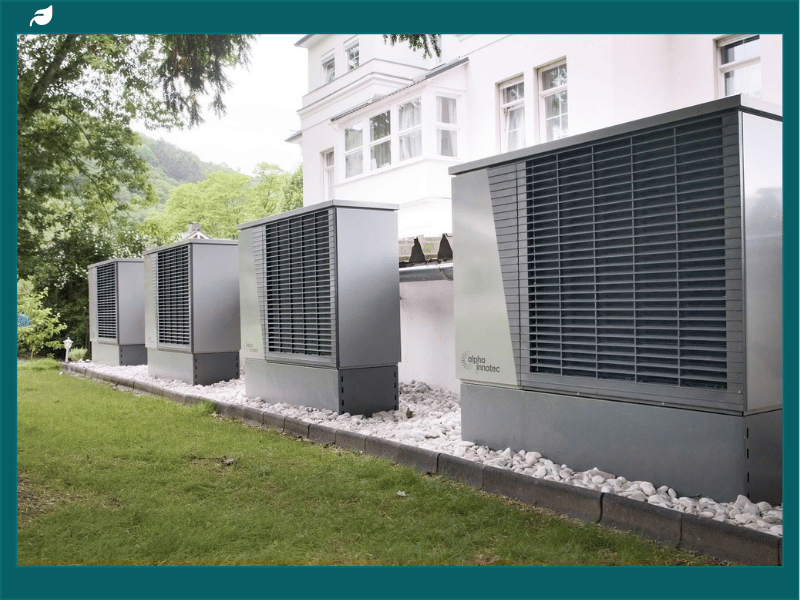
Shifting Capital Into Smart Building Tech
Upgrading building systems requires smart capital planning. Many firms choose options like https://www.pureair-coolingheating.com/ to navigate infrastructure upgrades smoothly. A proactive choice helps lower daily operational costs quickly while improving long-term property stability.
Market data highlights the shifting budget focus across the commercial sector. An industry report tracking energy investments showed that funding for commercial heating and cooling surged to $520 million late last year, up from just $96 million a few years back. The massive growth shows a clear trend toward cleaner utility options.
Lower energy demand protects businesses from volatile utility pricing structures. Investing early creates a strong shield against unpredictable fossil fuel markets. Financial stability makes long-term budgeting much easier for corporate finance teams.
Long-Term Valuation Gains
Green upgrades change how developers view property value. New industry metrics show how rapid tech adoption alters standard building practices globally. Modern buyers prioritize energy efficiency when evaluating commercial real estate assets.
A Q1 2026 survey of commercial real estate developers outlines some shifting design choices:
- Systems yield lower monthly utility bills from superior performance ratios.
- Adoption rates climbed significantly from just 29% of developers reporting the same standard two years earlier.
- Builders prioritize these setups across 9 different countries to match modern tenant demands.
Modern tenants look for properties with lower carbon footprints to meet internal corporate goals. High-efficiency systems attract premium corporate clients willing to pay higher lease rates.
Market Expansion Dynamics
The commercial heating sector experiences rapid global adoption. One market analysis predicts the industry value will jump from $44.6 billion to over $91.8 billion within the next decade. Rapid industrial scaling drives manufacturing costs down for every type of consumer.
Increased production means replacement parts and routine maintenance become more affordable. Scaled supply chains decrease installation wait times for large office parks.
Regulators favor technology that moves away from traditional fossil fuels. Staying ahead of local emissions laws saves management from expensive compliance penalties later. Early adoption secures a clear competitive edge in crowded leasing markets.
Direct Operational Savings
Old climate systems waste massive amounts of power through heat loss. Replacing those outdated setups trims daily electricity consumption immediately. Lower power usage translates directly into smaller monthly bills for property managers. Corporate budgets benefit from the immediate drop in utility overhead.
Mechanical simplicity means fewer moving parts break down during peak seasons. Maintenance crews spend less time troubleshooting complex hardware failures. Operational savings accumulate as yearly repair demands drop significantly. Facility managers can redirect saved funds toward other critical property needs.
Advanced controls allow managers to regulate temperatures based on real-time occupancy. Smart zoning prevents heating empty warehouses or vacant conference rooms. Modern automated settings eliminate unnecessary utility expenditure throughout the fiscal year.
Environmental Compliance Advantages
Municipalities continue tightening local environmental codes for commercial properties. Penalties for high carbon emissions grow costlier each season. Maintaining compliance protects businesses from unexpected regulatory fees and legal disruptions. Firms avoid costly penalties by updating infrastructure before deadlines arrive.
Adopting clean technology prepares portfolios for strict future standards. Portfolios meeting clean metrics ahead of schedule earn favorable public recognition. Proactive compliance reduces long-term legal friction with local zoning boards. The strategy secures long-term operational freedom in strict jurisdictions.
Green building certifications raise the profile of corporate headquarters. Financial institutions often offer better loan terms to sustainable properties. Meeting strict standards opens new paths to institutional capital. Lower interest rates provide an additional layer of financial return.
Sustainable Corporate Performance
Modern enterprises track sustainability metrics to satisfy stakeholder demands. Board members look for practical methods to lower corporate carbon outputs. Efficient climate control delivers measurable progress toward internal targets. Clear reporting data helps satisfy rigorous investor compliance checks.
Clean operations improve public relations without relying on empty marketing claims. True efficiency demonstrates corporate responsibility through verifiable data tracking. Business partners prefer working with environmentally responsible firms. Strong environmental metrics help secure valuable commercial contracts.
Investing in efficient hardware protects companies from future carbon taxation schemes. Energy security grows stronger when buildings rely on modern electrical systems. Strategic upgrades strengthen corporate resilience against resource scarcity. Reducing reliance on volatile grids stabilizes annual operating projections.
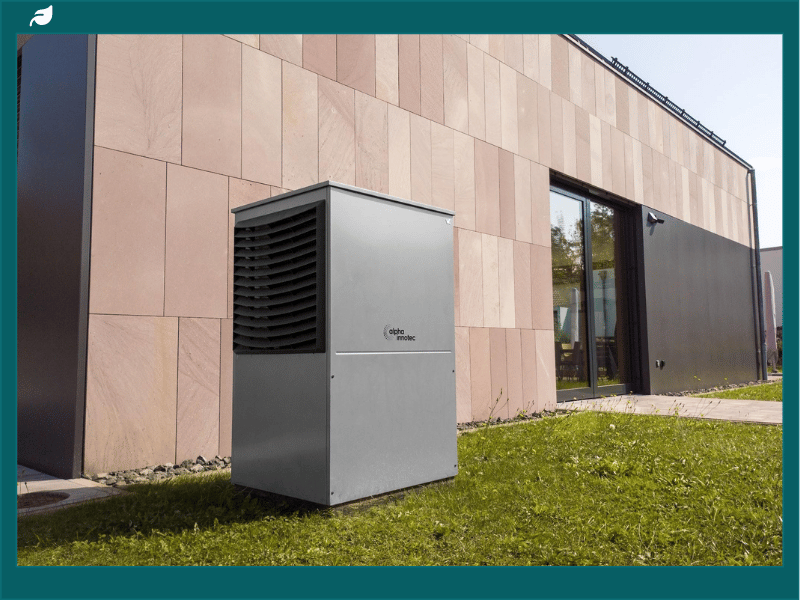
Financial returns from clean heating upgrades extend far beyond simple energy savings. Commercial properties gain measurable valuation increases while lowering predictable operational liabilities permanently.
Investing in high-efficiency hardware secures long-term asset value. Smart enterprises leverage technical upgrades to protect their bottom lines for decades to come.