Understanding Garden Soil and Its Importance
According to the Royal Horticultural Society (RHS), people who garden every day have wellbeing scores 6.6% higher and stress levels 4.2% lower compared to individuals who do not garden at all. That alone is reason enough to get your hands dirty and make the most of every moment in the garden.
Dig a handful of healthy garden soil and hold it. It should smell faintly earthy, clump lightly when squeezed, then crumble apart. If it smells sour, packs like clay, or runs through your fingers like sand, your plants are already fighting against you before they’ve had a chance. Soil isn’t just the stuff your plants sit in.
It’s a living system, and once you understand it, every other gardening decision gets easier.
Good gardening starts underground. Every tip about watering, fertilizing, or choosing the right plant variety becomes less effective if the soil beneath is compacted, acidic, or stripped of organic life. So let’s start there.
Characteristics of Quality Garden Soil
The best garden soil has a texture called loam: a balanced blend of sand, silt, and clay that drains well without drying out too fast. Water moves through it cleanly. Roots push through it easily. It holds nutrients long enough for plants to actually use them.
pH matters more than most beginners expect. Aim for a reading between 6 and 7, which is roughly neutral. At that range, most plants can absorb the full spectrum of available nutrients. Tip the pH too far in either direction and nutrients lock up in the soil, unavailable no matter how much fertilizer you add.
You can test your soil’s pH with a kit from any garden center for a few dollars. Worth doing every year.
Dark soil is usually rich soil. That color comes from organic matter: decomposed leaves, aged compost, broken-down plant material. This organic content feeds beneficial bacteria and fungi, which in turn make nutrients available to plant roots. Earthworms are a sign you’re doing something right.
They aerate the soil as they move through it and leave behind castings that act as natural fertilizer.
Well-structured soil also lets you work it with your hands or basic hand tools without much effort. If you have to stab at it or it sticks in chunks to everything it touches, the structure needs attention. Soil that’s too compact suffocates roots. Soil that’s too loose can’t hold moisture or nutrients.
The goal is somewhere in the middle: open enough to breathe, dense enough to nourish.
How to Improve Your Garden Soil Naturally
The single best thing you can do for your garden soil is compost. Full stop. Compost adds organic matter, improves texture, feeds microbial life, and slowly releases nutrients across the growing season. You can start a compost pile for free using kitchen scraps and yard waste.
Within a few months, you’ll have a dark, crumbly amendment that does more for your plants than most products on a garden center shelf.
Mulch is compost’s reliable companion. Spread a layer of bark chips, straw, or shredded leaves around your plants and it does three jobs at once: slows moisture loss, suppresses weeds, and breaks down over time to add organic content back to the soil. Organic mulches aren’t glamorous, but they quietly improve your garden bed season after season with almost no effort from you.
Crop rotation is another powerful tool that gardeners often skip. Growing the same plants in the same spot year after year depletes specific nutrients and lets pest and disease populations build up in the soil. Move plant families around each growing season. Even a simple rotation between legumes, brassicas, and root vegetables makes a real difference.
Legumes like clover or beans fix nitrogen directly from the air into the soil, which is essentially free fertilizer for whatever you grow there next.
Cover cropping works on a similar principle. Plant rye or clover in your beds during the off-season to protect bare soil from erosion, improve soil structure, and add nitrogen. Turn them in before they set seed and they break down to feed the following season’s plants.
Aerate regularly. Loosen compacted areas with a garden fork, turning the soil to bring air down to the root zone. Pair that with natural fertilizers like fish emulsion or bone meal when nutrients are genuinely low (your soil test will tell you). These add specific nutrients without loading the soil with synthetic chemicals that can disrupt its microbial balance over time.
Test your soil annually. Not once, not when something goes wrong. Every year. A basic test shows you pH, nitrogen, phosphorus, and potassium levels.
It tells you exactly what to add instead of guessing. If pH needs to rise, add lime. If phosphorus is low, rock phosphate is a natural fix. Targeted amendments based on actual data beat general applications every time.
This is one of those gardening tips that sounds minor but pays off considerably.
How to Prepare Soil for Planting
You can choose perfect plants, plant them at the ideal time, and water them faithfully, and still get a disappointing harvest if the soil wasn’t ready when you put them in. Soil preparation is the unglamorous work that makes everything else succeed. Here’s how to do it right, and what to avoid.
Steps to Prepare Soil for a Thriving Garden
Start with a clean slate. Remove everything that shouldn’t be there: old roots, rocks, weeds, spent plant debris. Weeds left in place will compete with your new plants for water and nutrients the moment growing conditions improve. Old roots can harbor disease.
Rocks block root development. A clear bed isn’t just tidy; it gives your plants an uncontested start.
Once the area is clean, test the soil. Don’t skip this. A soil test tells you the pH and nutrient levels before you’ve committed to any amendments. It’s the difference between informed decisions and expensive guesswork.
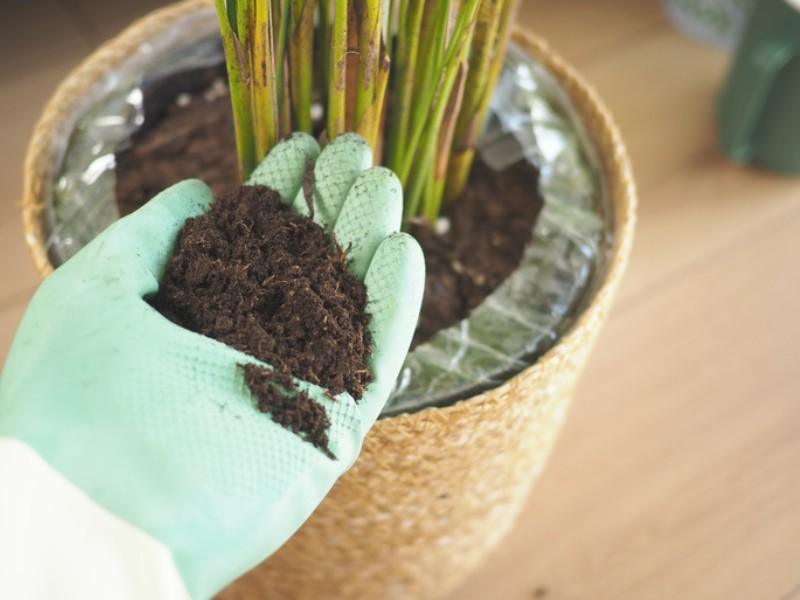
If the test reveals deficiencies (and it often does in beds that haven’t been amended recently), add organic matter. Compost, well-rotted manure, and peat moss all improve fertility and soil structure. Work them in evenly so the bed has consistent texture from top to bottom. Patchy amendments create patchy growing conditions.

Then till or turn the soil. A garden fork works well for most home beds. The goal is to break up compacted layers so water, air, and roots can all move freely. Mix your amendments through thoroughly as you go.
Don’t just lay them on top and call it done.
In areas with heavy clay, consider building raised beds. Clay soil drains poorly and warms slowly in spring. A raised bed filled with quality growing mix gives you immediate control over soil composition, better drainage, and a longer planting season because the elevated soil warms faster.
After planting, apply a layer of organic mulch. Bark chips, straw, and shredded leaves all work. The mulch protects the surface from erosion, helps retain moisture around your new plants, and feeds the soil as it breaks down. It’s a genuinely good habit that most established gardeners wouldn’t garden without.
Monitor soil condition throughout the season. Adjust watering and feed with natural amendments as needed. Soil preparation isn’t a one-off task; it’s an ongoing relationship with the growing environment you’ve built.
Common Mistakes to Avoid When Preparing Soil
The most common mistake is skipping the soil test. Without one, you’re treating symptoms instead of causes. A garden that won’t produce despite regular watering and fertilizing is often a pH problem that a five-dollar test would have caught immediately. Fix the diagnosis first.
Over-tilling is a close second. There’s a point at which loosening soil is beneficial and a point at which it destroys structure. Excessive tilling breaks up the aggregates that give soil its water-holding capacity and disrupts the fungal networks that help plant roots absorb nutrients. Till enough to mix amendments and break compaction.
Then stop.
Leaving old debris in the bed is a mistake gardeners make when they’re tired at the end of the season. Diseased plant material left in place means the disease overwinters in your bed, ready to infect next year’s plants from day one. Pull it, bag it if it’s diseased, and compost it only if it’s healthy.
Skimping on organic matter is another way to set yourself up for a difficult season. Soil that’s low in organic content can’t hold moisture well, can’t buffer pH changes, and can’t sustain the microbial populations that make nutrients available to plant roots. Organic matter is not optional.
Getting the watering wrong during soil preparation matters more than people realize. Too much water after tilling and you’re working toward compaction again. Too little and your amendments don’t integrate properly. Aim for soil that’s moist enough to clump but not so wet it smears.
That’s the ideal consistency for working and planting.
Finally, applying synthetic fertilizers without knowing your soil’s existing nutrient levels risks building up excess nutrients that plants can’t use and that eventually disrupt soil chemistry. Know what’s there before you add anything.
Creating the Perfect Garden Bed
A well-built garden bed is where the practical meets the intentional. It’s not just a patch of dirt. The design determines how accessible it is, how well it drains, how much sun your plants receive, and how easy or painful it is to maintain through the season.
Design Ideas for an Efficient Garden Bed
Start with the question of raised versus in-ground. Raised beds are particularly worth building if your native soil is clay-heavy or drains poorly, if you’re gardening in an urban space with limited room, or if you want more physical control over soil composition and quality. They warm faster in spring, drain better, and tend to be easier on your back. In-ground beds work beautifully in places with naturally good soil and more horizontal space to work with.
Whatever format you choose, sunlight should drive the layout. Most vegetables and herbs want full sun, meaning at least six to eight hours daily. Orient your planting rows north to south to minimize the shadow one row casts on the next throughout the day.
Companion planting is one of those gardening tips worth taking seriously. Pair plants that benefit each other. Herbs planted alongside vegetables can deter specific pests naturally, and certain plant combinations can improve the growth of their neighbors. Marigolds, for instance, repel a range of garden insects while drawing in pollinators.
You’re essentially building pest control into the design of the bed itself.
Vertical structures extend the available planting space without expanding the bed’s footprint. Trellises for climbing beans or cucumbers, hanging planters for trailing herbs, wall-mounted containers for compact spaces. These structures are especially useful in smaller gardens where every square foot counts.
Build accessible pathways between bed sections using mulch or stepping stones. Paths reduce soil compaction from foot traffic, make every part of the bed reachable without straining, and give the overall layout a sense of structure. A bed you can fully access is a bed you’ll actually maintain.
Integrate composting into the design. A compost bin positioned close to the bed makes it easy to add organic matter regularly, keeping the soil ecosystem active and fertile. Design with maintenance in mind from the start, and it becomes far less of a chore.
Choosing the Right Plants for Your Garden Bed
Good plant selection starts with honesty about your conditions. What’s the actual light exposure? What climate are you in? What is the soil doing right now?
Choose plants that genuinely suit those conditions rather than plants you wish would work.
Raised beds give you more flexibility because you control the soil mix, but even then, some plants will thrive and others will struggle based on your climate, frost dates, and rainfall patterns.
For most garden beds, a productive starting lineup includes hardy vegetables like carrots, lettuce, and radishes, all of which prefer well-drained loamy soil. Perennial herbs like rosemary and lavender give the bed structural year-round presence and attract pollinators consistently. Annual herbs including basil, thyme, and parsley work beautifully alongside vegetables, deterring common pests while providing fresh flavors for the kitchen.
Mix plant types intentionally. Combining flowering plants, edible crops, and herbs in the same bed creates diversity that actually protects the bed. Mixed planting disrupts the pest and disease cycles that thrive in monocultures. Different root depths reduce competition for nutrients.
And beneficial insects are drawn to diverse plantings, which means natural pest control comes built in.
Think about growth habits when planning your layout. Tall plants at the north end, shorter plants toward the south so nothing gets shaded out. Group plants with similar water needs together. It simplifies care considerably and prevents you from overwatering drought-tolerant plants while drought-stressing thirsty ones.
Native plant species are worth including wherever possible. Plants adapted to your local climate and soil conditions naturally need less intervention: less watering, less fertilizing, less fighting. They tend to support local insect and bird populations too, which adds ecological function to the bed alongside its aesthetic value.
Innovative Uses for Weed Cloth
Time is the resource most gardeners run out of first. Weed cloth promises to give some of it back by suppressing the growth that would otherwise have you on your knees pulling weeds for hours. It works, within limits. But the full picture of weed cloth in gardening includes some genuine trade-offs that are worth understanding before you unroll it across your beds.
Alternatives to Traditional Weed Cloth
Organic mulches are often a better first choice. Straw, wood chips, bark, and grass clippings all suppress weed germination by blocking light, regulate soil temperature, retain moisture, and break down over time to feed the soil beneath. You get weed suppression and soil improvement in a single application. Traditional weed cloth offers the first but actively works against the second.
Layering newspaper directly on the soil before topping it with organic mulch is a free and surprisingly effective method. The newsprint blocks light, preventing weed seeds from germinating below, while the mulch on top holds the paper in place, retains moisture, and presents a tidy surface. Both layers eventually decompose and feed the soil. It’s a sustainable, low-cost technique that fits naturally into an organic gardening approach.
Cardboard works the same way, and it’s available in abundance from any recycling bin or moving day. Laid flat over the soil surface and topped with several inches of mulch, cardboard smothers existing weeds and prevents new ones from establishing. As it breaks down, it feeds earthworms and adds organic content to the soil. This is sometimes called sheet mulching, and it’s particularly good for establishing new beds over existing lawn or dense weed growth.
Living mulches take a different approach entirely. Ground cover plants like clover or creeping thyme grow low and dense, covering the soil between taller plants and outcompeting weeds for light and space. They protect soil from erosion, improve its structure through root activity, and in the case of clover, fix nitrogen from the air into the soil. They’re living, functional, and genuinely attractive.
The trade-off is that they require management to prevent them from spreading where they’re not wanted.
Each of these alternatives brings ecological advantages that traditional weed cloth simply doesn’t offer. They work with the soil’s natural processes rather than interrupting them.
Pros and Cons of Using Weed Cloth in Your Garden
Weed cloth has real advantages in the right situations. It reduces weeding time significantly in garden beds where aesthetics and low maintenance are priorities. It blocks sunlight to the soil surface, preventing weed seed germination without herbicides. And in sloped beds or areas prone to erosion from heavy rain, it stabilizes the soil surface and prevents nutrient loss.
For annual planting beds and landscape areas that don’t require frequent soil work, it can be a genuinely practical tool. If you’re establishing a new ornamental bed and want clean lines with minimal maintenance, weed cloth does the job.
But it has limitations that gardeners sometimes discover only after it’s been in the ground for a season or two. Weed cloth can inhibit the natural breakdown of organic matter into the soil. Leaves fall on top of it, rain doesn’t wash them in, and the soil beneath gradually becomes less fertile rather than more so. That means you’ll likely need to supplement with additional amendments around the edges or in planting holes over time.
Some weed fabrics also reduce water and air permeability. If the material is too dense, rainfall runs off the surface rather than penetrating to plant roots. Soil beneath can become compacted and poorly aerated, conditions that actively work against good plant growth.
In perennial beds or any area that needs regular soil amendment and rotation, lifting and replacing weed cloth each time becomes a frustrating extra step. It discourages the regular soil building that productive gardens rely on. For these situations, organic mulches that can be simply turned into the soil at the end of the season are far more practical.
The honest assessment: weed cloth is a useful tool for specific applications, not a universal solution. Use it in low-maintenance landscape areas with established plants. In vegetable beds, raised beds, and anywhere you’re actively building soil health year after year, organic alternatives are almost always the better call.
Gardening Tips: Expanding Your Menu of Plants
A garden with just one or two plant types is a garden that’s working harder than it needs to. Diverse planting builds resilience. It draws in beneficial insects, breaks disease cycles, and makes the whole system more self-sufficient over time. Expanding the range of what you grow isn’t just good aesthetics.
It’s good gardening strategy.
Incorporating Diversity into Your Gardening Menu
Plan your plant selection so something is flowering at every point in the growing season. This keeps pollinators returning throughout the year rather than arriving in a rush when one species blooms and then disappearing. Sustained pollinator activity means better fruit set and seed production across your entire bed.
Marigolds are one of the most useful companion plants available, and they’re genuinely free to grow from seed. They repel a range of harmful insects and attract bees and butterflies consistently. Planted alongside vegetables and herbs, they contribute to pest control without any chemical input. That’s the kind of plant that earns its space multiple times over.
Think in layers. A garden that includes tall perennials or climbing plants at the back, mid-height shrubs or staked crops in the middle, and low ground covers or compact herbs at the front maximizes every inch of available space. Understory plants thrive in the partial shade created by taller plants and can use moisture that might otherwise evaporate from bare soil. Vertical growing structures like trellises extend this logic upward, supporting climbing beans, cucumbers, or flowering vines that would otherwise sprawl across the bed and take up ground space you could use for something else.
Rotating plant families between growing areas each season breaks the cycles that allow soil-borne diseases and pest populations to build up. Legumes like beans and peas are especially valuable in rotation because they fix nitrogen in the soil, essentially fertilizing the ground for whatever comes next. Alternate them with heavy feeders like brassicas or corn and you’re running a genuinely productive system with less external input.
Culinary herbs are one of the most underused tools in diverse planting. Basil and rosemary deter a range of common pests. Parsley attracts predatory insects that feed on aphids and other damaging species. Thyme and oregano, planted at the bed edges, create habitat for beneficial ground beetles.
And all of them go straight from the garden to your kitchen, which makes them among the highest-value plants you can grow relative to the space they occupy.
Native plants deserve a much larger role in most home gardens. They evolved alongside local insects, birds, and soil organisms, which means they support local wildlife in ways that exotic ornamentals simply can’t match. They also tend to need less supplemental water, less fertilizing, and far less pest management because they’re adapted to the local conditions. Choosing natives wherever possible reduces your garden’s resource demands and increases its ecological contribution at the same time.
Heirloom varieties add something else entirely. Where modern hybrid plants are often bred for uniformity and shelf life, heirloom plants frequently offer flavors, colors, and textures that have no equivalent in standard seed catalogs. Growing them expands what your garden produces as an ingredient and as an experience. Many heirloom varieties are also genuinely well-adapted to challenging conditions, having been selected and saved over generations specifically because they performed.
Seed swaps and community gardening events are among the best ways to expand your plant menu for free. You bring what you have, you leave with varieties you’d never have found in a garden center, and you gain the knowledge of people who’ve grown those specific plants in your region. According to Michigan State University, participating in community gardening significantly boosts mental and social well-being through the responsibility of caring for plants, feelings of pride from accomplishing something important, and a deep sense of connection to nature. That exchange of plants, seeds, and information builds something more valuable than any single gardening purchase: a community of growers who help each other succeed.
Diversity in a garden isn’t just about having more to look at, though it does make the space more interesting. It’s about building a system where the plants support each other, where beneficial insects have what they need to thrive, where soil health compounds over time rather than declining, and where the garden becomes progressively easier to maintain as it matures. That’s the real payoff of expanding your plant menu. And it starts with a willingness to try one new species each growing season until the garden reflects the full range of what’s possible.