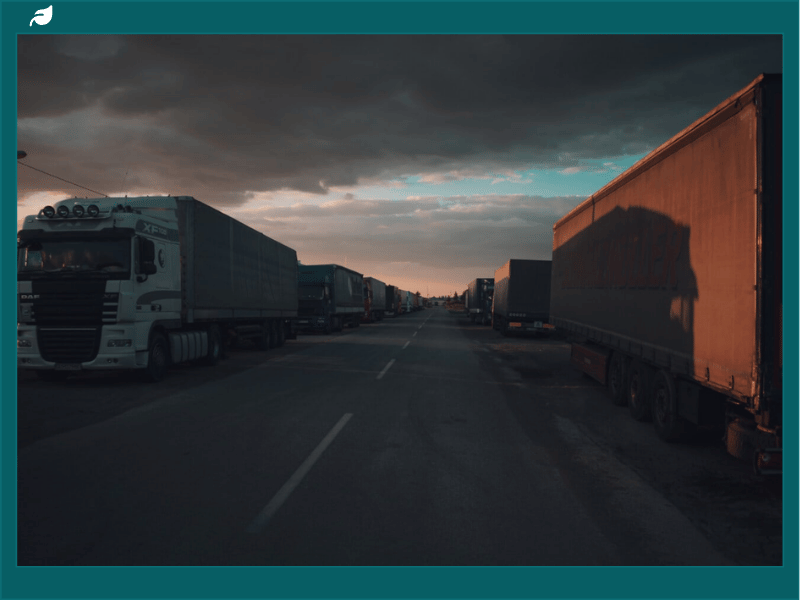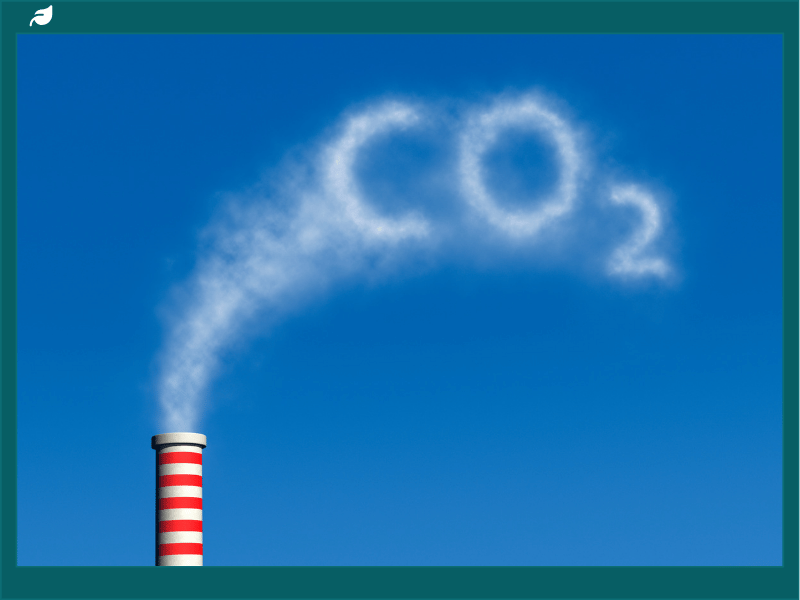
Road haulage accounts for a large share of freight emissions worldwide. Combine rail and road, though, and CO2 output tends to drop compared with routes using trucks alone. Per tonne-kilometre, rail usually carries a lower emissions load than road transport on its own.
Longer routes tend to show the clearest gains. Shift the bulk of that distance to rail. Finish delivery by road. That split can capture some of the clearest savings available, and many existing networks may not need to be rebuilt from scratch to make it happen.
Modal shift addresses freight emissions intensity without waiting for new technology to mature. Companies can run these changes within logistics frameworks already in place, making early measurement possible without waiting for large fleet replacement programmes.
Measuring Rail Freight Emissions
Accurate emissions reporting has become a core part of freight planning. Businesses increasingly need reliable data to demonstrate progress, support reporting requirements and identify where further reductions are possible.
Building a Reliable Emissions Baseline
Tracking how freight choices affect the environment now matters as much as the choices themselves. Reporting rules ask companies to log simple details. How far do goods travel? Which transport types carry each shipment? Fuel used across each trip sets a baseline, so improvements stay clear and believable.
The Role of Digital Reporting Tools
Digital freight platforms make tracking far easier to manage, comparing route options and emissions per shipment in real time. Open freight data and digital reporting increasingly count among the essentials for credible emissions accounting.
Companies looking for sustainable freight solutions increasingly need frameworks that connect measurement, practical reduction steps and verified handling of residual emissions. Baxter Freight brings those elements together in a sustainable freight network built around reporting, reduction and Carbon Insetting, with independent checks adding a layer of trust that internal reports alone cannot quite reach.
Considering Where Rail Delivers the Greatest Value
Rail freight can play an important role in reducing emissions, though the benefits often depend on the nature of the shipment and the wider transport network supporting it.
Situations Where Rail Performs Well
Rail freight offers significant environmental benefits on longer distance routes where large volumes of goods move between established transport hubs. Shifting the majority of a journey onto rail can reduce the emissions intensity associated with road-only transport.
Practical Limitations to Consider
Transit times can be longer than direct road transport, and some temperature-sensitive or highly time-critical goods may require greater flexibility than rail networks can provide.
The emissions advantage can also depend on geography. Routes tend to perform best when rail terminals are located close to collection and delivery points, limiting the amount of road transport required at either end of the journey. Careful route assessment helps businesses identify where rail can provide the strongest operational and environmental outcomes.
Operational Strategies That Improve Rail and Road Efficiency
Moving freight by rail is only one part of the equation. Operational improvements often determine how much value businesses gain from a modal shift strategy.
Using Data to Improve Route Planning
Route planning software can flag high-volume corridors where rail conversion is more likely to deliver strong emission savings. Consolidation hubs cut last-mile road distances while keeping delivery flexibility intact. Those two changes can produce measurable results without major capital investment.
Reducing Delays and Empty Mileage
Predictive maintenance and scheduling driven by data reduce delays at rail transfer points. Smoother handoffs between rail and road segments lower idle time and fuel waste. Data sharing across borders improves load matching and cuts down on empty return journeys.
Cleaner fuel choices for last-mile road segments add further savings on top of what modal shift already delivers, building toward genuine sustainable freight transportation rather than a single isolated fix.
Combining modal shift, cleaner vehicles and smarter routing produces more reliable emission reductions than any single measure could manage alone. Methods that bring these pieces together tend to hold up better under Scope 3 reporting than approaches built around one lever.
Regulatory and Market Drivers Accelerating Rail Adoption
Market expectations and regulatory requirements continue to shape how businesses approach freight emissions. Greater scrutiny has increased demand for transparent and verifiable reporting.
Growing Importance of Scope 3 Reporting
Verified Scope 3 reductions matter more each year under corporate disclosure rules, and freight stays one of the largest, most visible contributors to supply chain emissions. Sustainability teams and procurement leaders both keep it near the top of their list for that reason.
Supporting Credible Decarbonisation Claims
Open freight data initiatives keep spreading across European markets, backing transparency in sustainability claims and making efficiency across borders easier to track. Supplier collaboration is growing in parallel. Joint investment in cleaner technology. Shared decarbonisation targets are increasingly common across the industry.
Different parts of the sector keep landing on the same point. Modal shift, operational improvements, and technology integration. None of it works as well in isolation as it does pursued together.
Claims around effective supply chain decarbonisation need clear evidence behind them, especially when residual emissions get handled separately from direct route reductions rather than folded into one vague number.
Moving From Reporting to Action
For many businesses, the useful first move is smaller than people expect. Check the route. See where rail can carry the heavier distance, where the road still makes sense, and where reporting gaps start to show. Cleaner routing choices come after that, along with a clear plan for residual emissions. Not a glossy claim, but something procurement teams and regulators can actually question without it falling apart. Better data, better routes, fewer vague claims is where progress becomes easier to prove.