Brazil’s cruise offering spans a wide range of landscapes, from inland waterways in the Amazon and Pantanal to coastal routes linking major cities and island destinations. The country’s mix of ecosystems, historic centres, and urban hubs has contributed to its recognition at the World Travel Awards as South America’s Best Cruise Destination for three consecutive years.
Cruise itineraries across Brazil combine changing scenery with varied cultural experiences. Coastal routes connect cities such as Rio de Janeiro and Salvador with smaller beach destinations, while river cruises travel through remote regions shaped by biodiversity and traditional communities. Each route presents distinct environments, reflecting the country’s geographic and cultural range.
Inland, the Pantanal region offers river journeys through one of the world’s largest tropical wetlands. Recognised as a UNESCO World Natural Heritage Site, the area is known for wildlife observation. Cruises in the Serra do Amolar region pass through remote landscapes where species such as jaguars, capybaras, and macaws are commonly seen along riverbanks.
These itineraries often include visits to local communities, where travellers encounter regional customs and handicrafts. The pace of travel is slower, with an emphasis on nature and observation. Seasonal changes in water levels influence both navigation routes and the surrounding scenery.
Further north, Amazon river cruises connect cities including Manaus, Santarém, and Parintins, alongside smaller riverside communities. These journeys reflect the historical role of waterways in trade and settlement, as well as their continued importance to daily life in the region.
In Manaus, sites such as the Amazon Theatre and the Meeting of the Waters illustrate the legacy of the rubber boom. Cultural traditions remain central to stops like Parintins, where the boi-bumbá festival is a defining feature. Elsewhere, destinations such as Alter do Chão are known for freshwater beaches and access to surrounding rainforest areas.
Along the coast, itineraries linking Brazil’s Southeast and Northeast regions show gradual changes in landscape and culture. Routes departing from Rio de Janeiro often include stops in Búzios, Salvador, and Maceió, each offering distinct coastal environments and urban character.
Salvador’s historic centre, Pelourinho, is recognised as a UNESCO World Heritage Site and reflects the city’s role in Afro-Brazilian history and culture. Búzios is characterised by smaller beaches and coastal streets, while Maceió is known for its clear waters and natural pools formed along the shoreline.
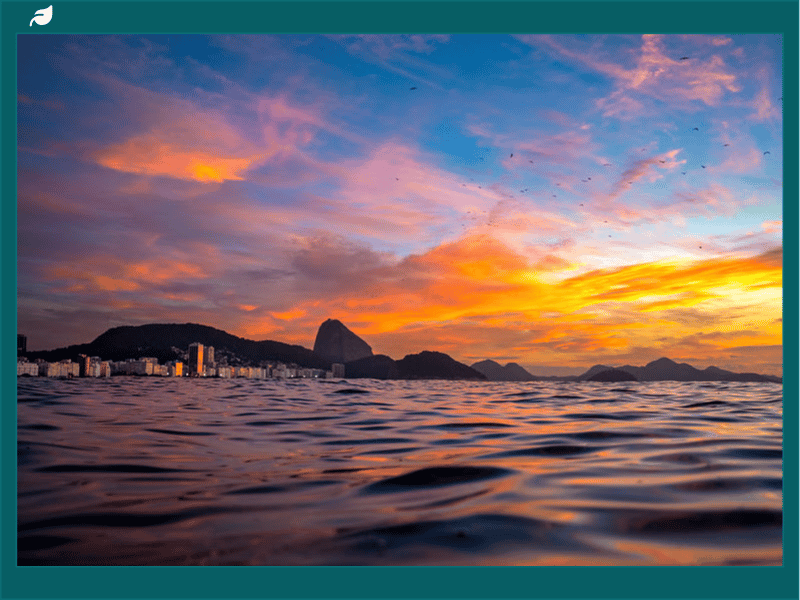
Rio de Janeiro remains a central نقطة in many cruise itineraries. Approaching the city by sea reveals landmarks such as Sugarloaf Mountain, Christ the Redeemer, and Guanabara Bay, which is itself listed as a UNESCO World Heritage Site. Nearby destinations such as Ilhabela provide access to Atlantic Forest landscapes, including trails and waterfalls.
Further south, ports including Balneário Camboriú and Santos add additional variety to coastal routes. Balneário Camboriú combines urban development with coastal viewpoints, while Santos plays a key role in Brazil’s port infrastructure and retains historical links to the country’s coffee trade. It also serves as a gateway to São Paulo, a major economic and cultural centre.
Island-focused itineraries offer another perspective on Brazil’s coastline. Routes departing from Paranaguá include stops in Itajaí, Ilhabela, Ilha Grande, and Rio de Janeiro, combining forested islands with coastal cities. These journeys emphasise access to preserved natural areas, where beaches and trails are integrated into protected environments.
Cruise infrastructure across Brazil is supported by a network of international airports. São Paulo’s Guarulhos International Airport and Rio de Janeiro’s RIOgaleão serve as primary entry points, with connections to major global destinations. From these hubs, travellers can access key ports such as Santos and Rio de Janeiro.
In the south, Florianópolis and Navegantes airports provide access to coastal stops including Itajaí and Balneário Camboriú. Curitiba International Airport connects to Paranaguá, while Manaus International Airport serves as the main entry point for Amazon নদ cruises. For Pantanal itineraries, access is typically through Campo Grande or Cuiabá.
Brazil’s cruise season along the coast runs mainly between November and April, aligning with the country’s summer period. Warmer temperatures and increased tourist activity are common during these months. River cruises in the Amazon and Pantanal operate year-round, though seasonal water levels can affect navigation and access to certain areas.
Travel requirements include a valid passport, with visa rules varying by nationality. The Brazilian Real is the local currency, and card payments are widely accepted in major tourist areas. Packing recommendations vary by itinerary but generally include lightweight clothing, sun protection, and, for inland routes, insect repellent.
The Brazilian Agency for International Tourism Promotion, EMBRATUR, is responsible for promoting the country’s destinations internationally. Its work forms part of the National Tourism Policy, with a focus on increasing international visitor numbers and supporting economic development through tourism.