Sustainable travel is no longer a niche preference but a defining shift in how modern travelers choose where to stay. In a culturally rich and ecologically diverse destination like New Mexico, this shift is especially meaningful. From the high desert landscapes of Santa Fe to the forested mountains of Taos, travelers are increasingly seeking accommodations that respect the environment while supporting local communities.
Vacation rentals have emerged as a practical alternative to traditional hotels, offering more flexibility and a lower environmental impact when managed responsibly. At the same time, digital platforms are playing a crucial role by connecting travelers with eco-conscious properties that prioritize energy efficiency, conservation, and ethical tourism practices.
As demand for responsible travel continues to grow in 2026, several platforms are standing out for their commitment to sustainability and user experience. The following list highlights five vacation rental platforms that are helping shape eco-friendly stays across New Mexico.
What Makes a Vacation Rental Platform “Sustainable”?
A vacation rental platform can be considered sustainable when it goes beyond simply listing properties and actively promotes environmentally and socially responsible travel choices. One of the most important factors is the presence of clear sustainability standards. Platforms that highlight eco-certified properties or include green criteria such as energy efficiency, renewable energy use, and low-impact construction help travelers make informed decisions.
Water conservation and waste reduction are also key indicators. In regions like New Mexico, where natural resources are limited, responsible platforms prioritize listings that use water-saving systems, recycling practices, and minimal single-use materials. Additionally, support for local communities plays a major role. Platforms that encourage locally owned properties, promote regional culture, and contribute to the local economy create a more meaningful and ethical travel experience.
Transparency is another defining element. Sustainable platforms often provide detailed information about a property’s environmental practices, allowing travelers to choose accommodations that align with their values. Together, these factors define a platform that not only facilitates travel but also contributes to a more responsible and sustainable tourism ecosystem.
1. Vacation Cottage

Vacation Cottage stands out as a platform designed for travelers who value simplicity, space, and a closer connection to nature. By curating a wide range of cottages, cabins, and lake houses, it enables users to explore accommodations that naturally align with low-impact living. Many of the properties featured are located in peaceful, less crowded environments, which helps reduce pressure on heavily visited tourist areas while offering a more authentic travel experience.
From a sustainability perspective, the platform supports mindful travel by encouraging longer, slower stays in settings that prioritize relaxation over high-consumption tourism. Its aggregation model also allows users to compare options across trusted partners, helping them choose properties that meet both environmental and personal preferences.
In a region like New Mexico, where landscapes range from desert plains to forested mountains, Vacation Cottage makes it easier to find secluded retreats that complement the natural surroundings. For travelers seeking a balance between comfort and environmental awareness, it offers a practical and thoughtfully curated starting point.
2. Hotala

Hotala brings a data-driven approach to travel planning by aggregating millions of listings from leading travel providers into one streamlined platform. This model is especially valuable for eco-conscious travelers who want to compare a wide range of accommodations without spending hours browsing multiple websites. By centralizing options across hotels, resorts, and vacation rentals, Hotala makes it easier to identify stays that align with both budget and sustainability preferences.
One of its key strengths lies in transparency and efficiency. Users can evaluate pricing, amenities, and location details in a single search, which supports more informed and responsible decision-making. Instead of encouraging impulsive bookings, the platform promotes thoughtful comparisons that can lead to better environmental choices, such as selecting smaller properties or less resource-intensive stays.
For destinations like New Mexico, where eco-friendly options can vary widely by region, Hotala helps travelers discover hidden opportunities across desert retreats, mountain lodges, and locally managed rentals. Its ability to simplify complex choices makes it a practical tool for those aiming to balance convenience with conscious travel.
3. Cabinns

Cabinns is tailored for travelers who want to step away from urban environments and reconnect with nature through immersive cabin stays. With a strong focus on lakefront, mountain, and forest-based accommodations, the platform highlights properties that naturally support low-impact travel and a slower pace of living. Its extensive inventory across scenic regions allows users to discover stays that prioritize space, privacy, and environmental harmony.
A key advantage of Cabinns lies in its ability to aggregate cabin rentals from multiple trusted sources, making it easier to compare unique properties in one place. This approach not only saves time but also encourages more intentional travel decisions, such as choosing remote stays that reduce overcrowding and resource strain on popular destinations. Many listings also align with eco-friendly practices, including energy-efficient setups and nature-integrated designs.
For New Mexico, where wide-open landscapes and stargazing-friendly environments define the travel experience, Cabinns offers access to rustic retreats that complement the region’s natural beauty. It is particularly well suited for travelers seeking quiet, off-grid inspired escapes with meaningful environmental value.
4. Ecobnb
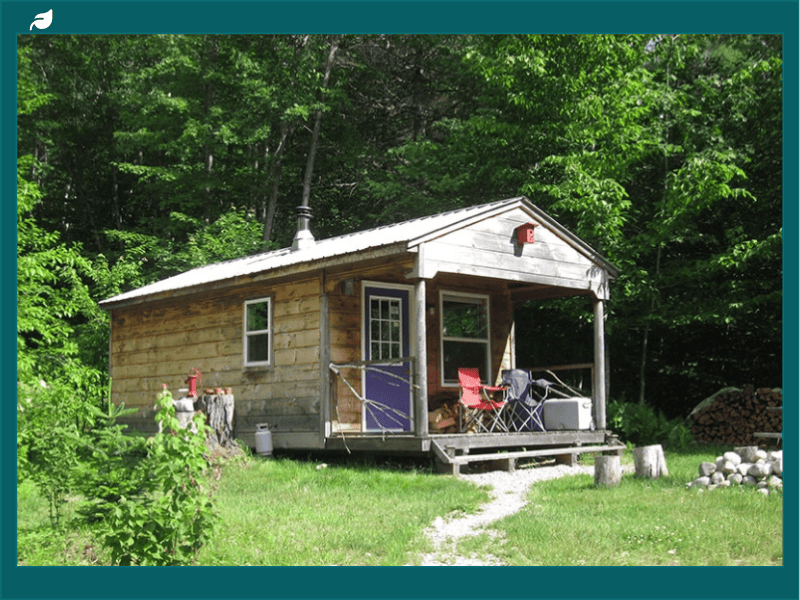
Ecobnb is widely recognized as a dedicated platform for sustainable tourism, connecting travelers with accommodations that meet clearly defined environmental standards. Unlike general rental marketplaces, it focuses exclusively on eco-friendly stays, ensuring that every listed property follows measurable sustainability practices. To be included, accommodations must meet at least five out of ten core environmental criteria, such as renewable energy use, high waste recycling rates, water conservation systems, and eco-friendly materials.
This structured approach reduces the risk of greenwashing and gives travelers greater confidence when selecting responsible stays. The platform also highlights each property’s sustainability features in detail, allowing users to understand how their choice contributes to environmental preservation and local communities. In addition, Ecobnb promotes lesser-known destinations and encourages low-impact travel habits, which aligns well with regions like New Mexico that value natural and cultural conservation.
For travelers who prioritize verified sustainability over convenience alone, Ecobnb serves as a reliable benchmark. Its commitment to transparency and eco-standards makes it one of the most trusted platforms for booking genuinely responsible vacation rentals.
5. Glamping Hub
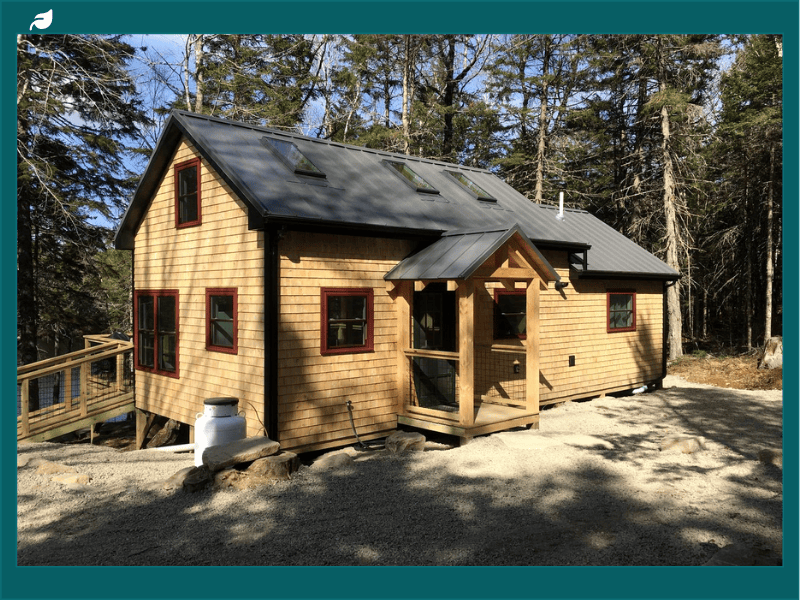
Glamping Hub has positioned itself as a leading platform for travelers seeking unique outdoor accommodations that combine comfort with a strong connection to nature. Founded in 2013, it offers thousands of listings worldwide, including treehouses, yurts, safari tents, domes, and luxury cabins designed to provide immersive yet low-impact travel experiences.
What sets Glamping Hub apart is its ability to merge sustainability with elevated comfort. Many properties featured on the platform incorporate eco-friendly practices such as renewable energy use, waste reduction strategies, and locally sourced materials, allowing guests to enjoy nature responsibly without sacrificing modern amenities. The platform also actively promotes eco-conscious travel by encouraging experiences that foster a deeper connection with the environment and local culture.
For a destination like New Mexico, known for its vast desert landscapes and stargazing opportunities, Glamping Hub introduces a distinctive way to stay close to nature while maintaining a sense of comfort and design. It is especially appealing to travelers who want memorable, experience-driven stays that align with sustainable tourism values.
Best Areas in New Mexico for Eco-Friendly Vacation Rentals
New Mexico offers a diverse landscape that naturally supports eco-friendly travel, with several regions standing out for sustainable vacation rentals. Santa Fe is one of the most popular choices, known for its strong focus on environmental preservation, adobe-style architecture, and locally driven tourism. Many rentals here incorporate energy-efficient designs and reflect the region’s cultural heritage.
Taos is another excellent option, especially for travelers interested in off-grid living and eco-conscious communities. The area is home to earthship homes and solar-powered properties that showcase innovative sustainable housing. For those seeking forested surroundings, Ruidoso provides a refreshing escape with cabins nestled among pine-covered mountains, ideal for low-impact stays.
The outskirts of Albuquerque also offer a balance between accessibility and sustainability, with desert lodges and small-scale rentals that emphasize water conservation and minimal environmental disruption. Meanwhile, regions near White Sands and other protected natural areas attract travelers looking for quiet, nature-focused experiences. Each of these destinations highlights a different aspect of sustainable travel, making New Mexico a versatile choice for eco-conscious stays.
Tips for Booking Sustainable Vacation Rentals in 2026
Booking a sustainable vacation rental in 2026 requires a more mindful and informed approach than simply choosing a scenic property. Start by looking for clear sustainability indicators such as eco-certifications, renewable energy usage, and water-saving systems. Many reliable platforms now provide detailed descriptions of these features, making it easier to identify responsible options.
It is also important to prioritize locally managed properties, as they tend to have a lower environmental impact and contribute directly to the local economy. Travelers should consider booking longer stays instead of short visits, which helps reduce transportation-related emissions and supports slower, more sustainable travel patterns.
Another useful tip is to avoid over-touristed areas and explore lesser-known destinations where environmental pressure is lower. Checking guest reviews can also provide insights into how well a property maintains its sustainability claims. By combining research with intentional choices, travelers can ensure their stays align with eco-friendly values while enhancing the overall travel experience.
Final Thoughts
Sustainable travel in 2026 is no longer just a trend but an expectation shaped by both travelers and the broader tourism industry. As destinations like New Mexico continue to balance visitor demand with environmental preservation, the role of vacation rental platforms becomes increasingly important. Platforms such as VacationCottage, Hotala, and Cabinns, along with sustainability-focused options like Ecobnb and Glamping Hub, demonstrate how technology can guide travelers toward more responsible choices.
By prioritizing eco-conscious listings, supporting local communities, and encouraging low-impact stays, these platforms contribute to a more balanced and future-ready travel ecosystem. For travelers, this means greater access to meaningful experiences that align with personal values without compromising comfort or convenience.
As awareness continues to grow, choosing the right platform is not just about finding a place to stay. It is about making a deliberate decision to support sustainability, protect natural landscapes, and shape a more responsible future for global travel.