Eucalyptus sheets are gaining popularity as a sustainable and eco-friendly bedding option. Made from eucalyptus tree fibers, these sheets offer a unique combination of comfort and environmental benefits. They are known for being soft, breathable, and hypoallergenic, making them an excellent choice for those seeking both luxury and sustainability in their bedding.
In this article, we will explore the world of eucalyptus sheets, looking into how they are made and comparing them with other materials like cotton and bamboo. We will also examine the eco-friendly aspects of eucalyptus farming and provide guidance on choosing the right eucalyptus sheet set for your needs.
Understanding Eucalyptus Sheets
Eucalyptus sheets are crafted from fibers derived from the eucalyptus tree, mainly using Tencel and lyocell. Tencel and lyocell are types of rayon, known for their softness and durability. These materials are made in a way that recycles chemicals, which means that the chemicals used in production are recycled with minimal waste.
These sheets not only offer a luxurious feel but also contribute to a more sustainable lifestyle by reducing environmental impact. The use of Tencel and lyocell ensures that the sheets are not only comfortable but also environmentally friendly.
For those interested in sustainable bedding, eucalyptus sheets present a compelling option. They combine the best of both worlds – comfort and eco-friendliness – making them a smart choice for environmentally conscious consumers.
Benefits of Eucalyptus Bedding
Eucalyptus bedding offers a range of benefits that enhance both comfort and health. One of the key advantages is its hypoallergenic properties, making it an excellent choice for people with sensitive skin. The fibers used in eucalyptus sheets are smooth and gentle, less likely to irritate the skin.
Additionally, eucalyptus bedding is known for its breathability. The fabric wicks moisture away from the body, helping to regulate temperature and keep you cool during warmer nights. This moisture-wicking ability also contributes to a cleaner sleeping environment, as it minimizes the growth of bacteria and dust mites.
For those concerned about sustainability, eucalyptus sheets are a responsible choice. They are crafted from materials like Tencel and lyocell, which are derived from eucalyptus trees grown in a sustainable way. The process of transforming eucalyptus into fabric uses less water and energy compared to traditional cotton production. This makes eucalyptus bedding not only comfortable but also environmentally friendly.
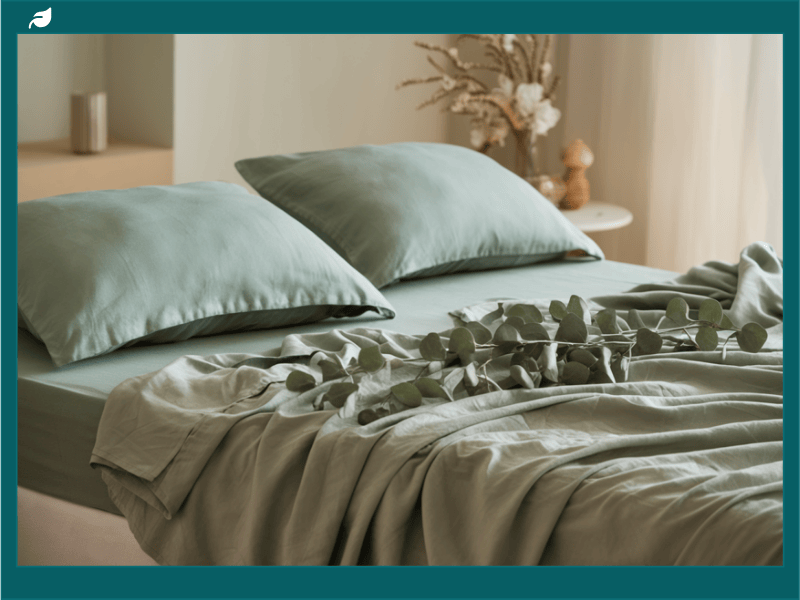
Eucalyptus Silk Sheets vs. Traditional Fabrics
When comparing eucalyptus silk sheets to traditional fabrics like cotton and bamboo, several factors are important. Eucalyptus silk sheets stand out due to their unique combination of softness, durability, and environmental impact.
- Comfort: Eucalyptus silk sheets are incredibly soft and smooth, often compared to the luxurious feel of silk. They provide a gentle touch, making them ideal for a restful night’s sleep.
- Durability: These sheets are known for their strength and resistance to wear and tear. Unlike cotton, which can become rough over time, eucalyptus silk sheets maintain their softness even after multiple washes.
- Environmental Impact: The production of eucalyptus sheets is more sustainable compared to cotton and bamboo. Eucalyptus trees require less water and pesticides, and the closed-loop process used to create Tencel and lyocell fibers minimizes waste and pollution.
The Eco-Friendly Production of Eucalyptus Sheets
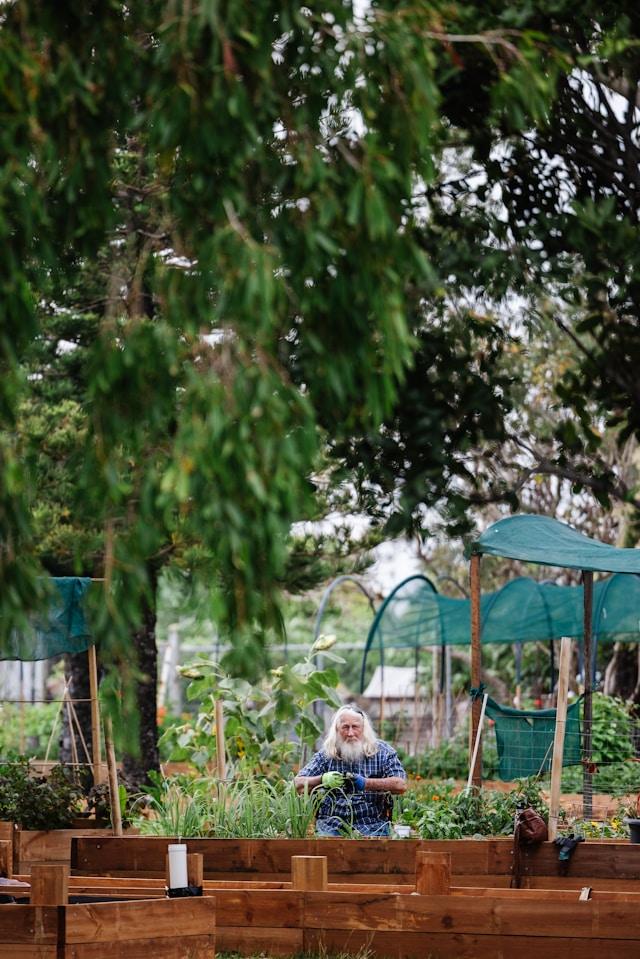
Eucalyptus sheets stand out not only for their comfort but also for their eco-friendly production process. The journey begins with sustainably managed eucalyptus farms. These farms use minimal water and pesticides, ensuring a low environmental impact. The trees grow quickly and are harvested in a way that promotes regrowth, maintaining a sustainable cycle.
The production of eucalyptus sheets involves turning eucalyptus pulp into Tencel and lyocell fibers. This process is known for its closed-loop system, where solvents and water are recycled, reducing waste and emissions. This method is significantly more environmentally friendly compared to traditional fabric production, which often involves harsh chemicals and excessive water use.
Studies have shown that eucalyptus plantations, when managed responsibly, have a positive effect on the environment. For instance, the effects of natural forest and eucalyptus plantations on biodiversity and soil health are noteworthy. This sustainable approach ensures that eucalyptus sheets are not only a comfortable choice but also a responsible one for the planet.
Choosing the Right Eucalyptus Sheet Set
Choosing the right eucalyptus sheet set means thinking about a few things to ensure both comfort and sustainability. Here are some key points to keep in mind:
- Thread Count: Look for a thread count between 300 and 600 for a balance of softness and durability. Eucalyptus sheets often feel softer than cotton at lower thread counts.
- Weave Type: Sateen weaves offer a silky, smooth finish, while percale weaves provide a crisp and cool feel. Choose based on your personal comfort preferences.
- Certifications: Ensure the sheets have certifications like OEKO-TEX or TENCEL™ to guarantee they meet environmental and safety standards.
- Brand Reputation: Research brands known for their commitment to sustainability and ethical production practices.
Consumers can choose eucalyptus sheet sets fromSIJO, Buffy, or Cozy Earth. These brands offer optimal thread counts between 300-600, providing balanced softness and durability.
Why Eucalyptus Sheets Matter
Choosing sustainable bedding like eucalyptus sheets is very important. By opting for these sheets, you are contributing to a healthier planet and enjoying numerous personal benefits:
- Environmental Impact: Eucalyptus sheets are made through a closed-loop process that minimizes waste and reduces water usage, making them a great choice for eco-conscious consumers.
- Comfort and Health: These sheets provide exceptional comfort due to their breathability and moisture-wicking properties, and they are hypoallergenic, making them ideal for sensitive skin.
- Durability: Eucalyptus fibers are strong and resistant to wear, ensuring longevity and reducing the need for frequent replacements.
Choosing eucalyptus sheets is a step towards sustainable living, aligning with the growing consumer preference for eco-friendly products. As you explore further sustainable living practices, consider how your choices in everyday items, like bedding, can make a significant impact.