Construction projects today face constant pressure. Businesses want faster delivery. Budgets need tighter control. Sustainability goals keep rising. At the same time, traditional construction still struggles with delays, waste, and labor shortages. Weather disruptions slow work. Material errors increase costs. Sites become noisy and messy.
Because of these challenges, many companies now look for smarter building methods. They want solutions that save time without harming the environment. They also want predictable outcomes. This is where off-site construction comes into the picture.
Off-site construction changes how buildings come together. It focuses on preparation, control, and efficiency. In this article, you’ll see what off-site construction means, how it improves efficiency, and why it supports sustainable building goals in a practical way.
What Is Off-Site Construction?
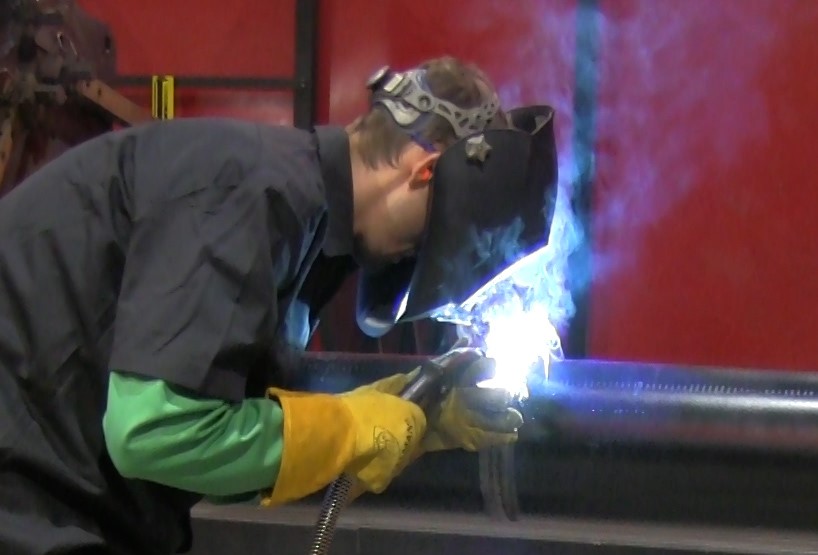
Off-site construction means building parts of a structure away from the job site. Workers manufacture components in a controlled factory setting. These parts then move to the site for final assembly.
This approach reduces uncertainty and improves planning. Work continues regardless of weather conditions. Teams follow repeatable processes that reduce errors.
Off-site construction can include:
- Modular buildings
- Demountable structures
- Panelized wall and floor systems
These prefabricated buildings do not come together on their own. Businesses need to work with professionals like Aussie Demountables, who specialize in designing, manufacturing, and delivering these structures correctly. Planning, compliance, and precision matter at every stage. These structures support quick setup and practical use without creating unnecessary waste or site disruption.
Some common features of such prefabricated buildings include:
- Customizable layouts that match operational needs
- Fast installation with minimal on-site work
- Relocation and reuse options for future flexibility
- Durable materials suited for regular, long-term use
Instead of starting from scratch on-site, teams focus on assembly. This saves time, reduces disruption, and keeps projects moving smoothly.
How Off-Site Construction Improves Efficiency
Efficiency plays a major role in modern construction decisions. Off-site construction improves efficiency at every stage of a project.
Here’s how it helps:
- Faster timelines: Factory production and site preparation happen at the same time. This overlap shortens the total project duration.
- Fewer weather delays: Indoor manufacturing avoids rain, heat, or wind disruptions.
- Lower labor pressure: Controlled environments require fewer on-site workers. Tasks feel more organized.
- Better scheduling control: Deliveries follow a clear plan. Materials arrive when needed.
Because work follows a predictable process, mistakes drop. Less rework means fewer delays. Teams stay focused instead of reacting to last-minute issues.
Cost Control Becomes Easier
Construction costs often rise due to waste and delays. Off-site construction reduces both.
Key cost benefits include:
- Accurate material measurement
- Reduced over-ordering
- Fewer damaged materials
- Lower site cleanup expenses
Factory planning allows precise calculations. Teams know exactly what they need. This keeps budgets stable and avoids surprise spending.
Transportation also improves. Materials ship in planned batches, not rushed deliveries. This helps businesses manage cash flow and timelines together.
Sustainability Benefits of Off-Site Construction
Sustainability matters more than ever. Off-site construction supports greener building practices without adding complexity.
Some key sustainability advantages include:
- Less material waste: Factories use materials more efficiently. Leftovers are reused or recycled.
- Reduced site disruption: Shorter build times mean less noise, dust, and traffic.
- Lower emissions: Fewer site visits reduce fuel use and transportation impact.
- Better energy performance: Prefabricated components fit tightly. This improves insulation and airflow control.
Because factories manage resources carefully, the environmental impact stays lower. This helps businesses meet sustainability targets while still moving fast.
Why Businesses Prefer Off-Site Construction
Businesses value certainty. Off-site construction offers predictability in areas where traditional builds struggle.
Common reasons businesses choose off-site methods:
- Faster return on investment
- Easier expansion planning
- Flexible space solutions
- Alignment with sustainability goals
Off-site buildings also support reuse. Companies can relocate or repurpose structures instead of demolishing them. This reduces long-term waste and saves money.
For growing businesses, this flexibility makes a real difference.
Where Off-Site Construction Works Best
Off-site construction fits many use cases today. It works well across different industries.
Common applications include:
- Commercial offices
- Educational facilities
- Healthcare buildings
- Remote project sites
- Temporary business locations
In each case, speed and control matter. Off-site methods help deliver both without sacrificing quality.
Clearing Common Myths About Off-Site Construction
Many people hesitate because of outdated assumptions. Off-site construction often gets misunderstood as limited or temporary. In reality, modern methods have changed the game. Today’s prefabricated buildings focus on strength, flexibility, and long-term use.
Here’s what actually happens in real projects:
- Design flexibility is no longer an issue: Off-site construction now supports a wide range of layouts, sizes, and finishes. Businesses can customize spaces based on function, branding, or future growth. These buildings no longer look uniform or basic.
- All structures follow strict building codes: Off-site buildings meet the same regulations as traditional construction. Manufacturers design them to comply with local safety, fire, and structural standards. Inspections happen at multiple stages.
- Quality checks happen before installation: Components go through controlled testing inside factories. Teams identify and fix issues early. This reduces surprises once the building reaches the site.
- Durability matches long-term expectations: Modern materials and precision manufacturing improve strength and stability. These buildings handle daily use, relocation, and weather conditions without losing performance.
Because of better technology and years of experience, off-site construction now delivers reliable, high-quality results. These buildings feel permanent, adaptable, and ready for long-term use.
Conclusion
Off-site construction offers a smarter way to build. It improves efficiency through faster timelines and better planning. It supports sustainability by reducing waste and environmental impact. Businesses gain flexibility, cost control, and predictable outcomes. As construction demands continue to grow, off-site methods provide a balanced solution. They help companies build responsibly without slowing progress. For many projects, this approach is no longer optional—it’s the practical path forward.