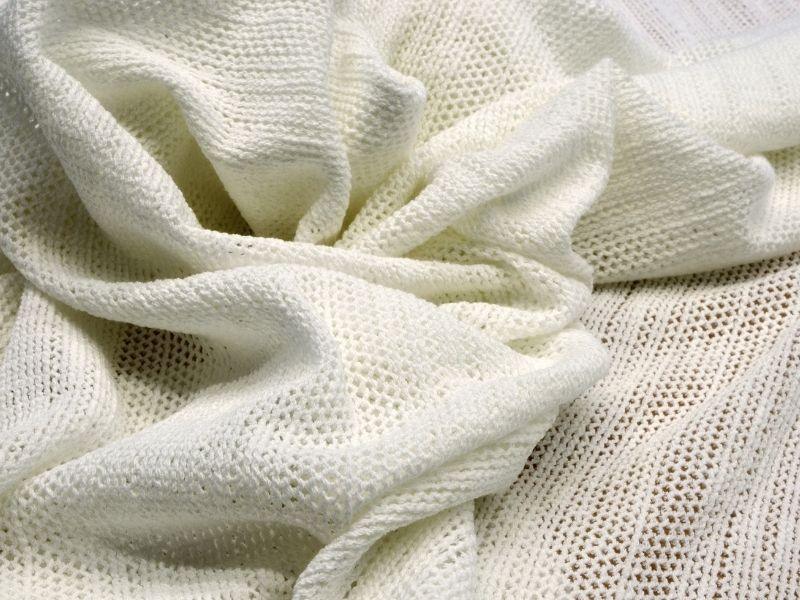
Viscose occupies a distinctive position in the textile industry, as it is derived from natural cellulose yet processed through chemical methods. This duality has led to ongoing debate regarding whether viscose should be classified as a natural or synthetic fiber.
Renowned for its soft texture and silk-like sheen, viscose is widely used in apparel and home textiles. As interest in sustainable materials increases, a clear understanding of viscose’s defining characteristics is essential.
The following six facts clarify the nature of this fiber and its role in both traditional and contemporary textile contexts.

Understanding Viscose: Natural or Not?
Viscose is frequently discussed in debates about its classification as a natural fiber, with differing perspectives on its true status. Understanding viscose requires examining its origins and the role of cellulose fibers in its production.
This analysis provides insight into the manufacturing process of viscose and its relationship to both natural and synthetic fabrics. Additionally, exploring the transformation of cellulose into viscose rayon highlights the distinctions between viscose and traditional natural fibers such as cotton.
The Origins of Viscose Fabric
The story of viscose fabric begins with its raw materials, primarily derived from wood pulp, which is rich in cellulose. This transformation process classifies viscose as a regenerated cellulose fiber, a category capturing the essence of viscose’s natural beginnings while encapsulating its unique production pathway.
The journey from cellulose to viscose begins with the extraction of cellulose fibers, which are abundant in nature and constitute the primary material in many natural fabrics. The cellulose, often acquired from fast-growing trees like beech, spruce, or eucalyptus, serves as the foundation.
This raw material undergoes various chemical treatments aimed at breaking down the natural polymers into a solution that can be spun into fibers we recognize as viscose rayon.
Developed in the late 19th century as a silk alternative, viscose rayon utilizes the extraction and renewal of natural cellulose, positioning it between natural and synthetic fibers. The concept of “regenerated cellulose” is central to viscose’s identity, indicating the transformation of natural fibers into a form that challenges the conventional distinction between natural and man-made textiles.
Although viscose is derived from abundant cellulose, the chemical treatment process alters the fibers to the extent that they are not considered entirely natural. The use of chemicals such as sodium hydroxide and carbon disulfide is essential in viscose production, further distinguishing it from wholly natural fabrics.
This transformation reflects a combination of human innovation and natural resource utilization.
The motivation behind the invention and evolution of viscose fabric was largely economic and practical. Industries desired a high-quality fabric with the aesthetic appeal and tactile quality of natural fibers like cotton, minimized environmental impact, and reduced costs associated with natural silk production.
Thus, viscose became a central player in apparel manufacturing, with its effects visible everywhere from mills to fashion brands.
Despite its misleadingly synthetic-sounding chemical associations, the production heavily relies on cellulose’s inherent qualities, namely softness, breathability, and high moisture absorption. These attributes closely mimic those of cotton, making viscose a favored choice in the textile business.
Viscose’s dual identity as both a natural and industrial product has created confusion in markets, particularly among businesses focused on sustainability. Brands often highlight viscose’s desirable textile properties to meet consumer preferences for comfort and functionality.
Although viscose does not occur naturally like cotton or wool, its origins in renewable plant sources make it relevant for sustainable fashion initiatives. Responsible sourcing and efficient cellulose extraction further emphasize viscose’s potential as an eco-friendly material innovation.
Viscose fabric is a versatile textile known for its wide range of applications and appealing characteristics, making it a popular choice in various sectors of the fashion and textile industries.
- Viscose’s silk-like feel and excellent drape make it an ideal material for clothing such as dresses and blouses. These properties allow garments to flow elegantly on the body, enhancing the wearer’s comfort and appearance.
- In the realm of athletic wear, viscose is valued for its breathability and moisture management capabilities. Its ability to allow air circulation while effectively wicking away sweat makes it a suitable fabric for active individuals in need of comfortable and functional sports apparel.
- The ability of viscose to blend seamlessly with other fibers increases its versatility in textile production. This blending can result in fabrics that possess the combined qualities of different materials, enhancing durability, texture, and appearance to meet specific demands.
- Beyond fashion, viscose is utilized in home textiles such as curtains and upholstery. Its luxurious touch contributes to creating elegant and inviting home environments, offering a visually appealing and tactile experience for household fabrics.
- Eco-fashion enthusiasts prize viscose for being derived from renewably sourced raw materials. This sustainable aspect appeals to environmentally conscious consumers and brands that prioritize eco-friendly practices in their production processes.
- As markets increasingly focus on sustainable and functional materials, the demand for viscose continues to grow. Its adaptable nature allows it to fit into various trends and consumer needs, establishing itself as a staple fabric in modern textiles.
- In the field of medical textiles, viscose is incorporated for its softness and absorbency, making it an excellent choice for products such as bandages and hygiene products. The fabric’s gentle feel is crucial for applications involving direct skin contact, providing comfort while meeting practical requirements.
These aspects collectively highlight viscose fabric’s diverse utility and enduring appeal, underscoring its significance across different industries and applications.
Defining Cellulose Fibers and Their Role
At the heart of viscose production are cellulose fibers, natural polymer chains that provide structure and versatility impacting a wide range of natural fabrics. These fibers, integral to the environmental narrative of viscose, are derived from sources like wood pulp, forming the bridge between nature’s bounty and industrial applications.
Cellulose fibers are remarkably versatile, enabling various forms of textile innovation beyond viscose, such as in paper production and other fabrics demanding high moisture uptake and comfort. Their role is critical in distinguishing viscose as a textile that, while processed, maintains the virtues of the raw cellulose material in terms of functionality and aesthetic appeal.
Cellulose itself is a robust chain of glucose molecules, and its abundance in plant cell walls makes it a sustainable option for fabrication. Within the context of viscose, the procurement of cellulose involves transforming tree-derived fiber into a workable, spin-ready pulp.
This byproduct undergoes multiple stages of processing, whereby the cellulose is initially dissolved using chemicals to produce a viscous solution, hence the name ‘viscose’ fabric. Once regenerated, the cellulose takes on new life as viscose rayon, merging its raw natural properties with industrial refinement.
The regenerated cellulose process breathes new utility into what begins as simple wood pulp, highlighting a complex but sustainable interaction between raw material sourcing and technological advancement.
The technological demands of creating regenerated cellulose have evolved correlations with raw material sustainability conversations. Industrious endeavors focus on achieving minimal environmental effect, acknowledging the critical balance between maintaining cellulose’s natural advantages while reducing the potential adverse impacts of chemical processes.
Viscose rayon production represents an intersection of biology and technology, balancing raw fibre origins with chemical innovation to produce a material that’s eco-friendlier than many fully synthetic fibers and comparably elegant to traditional offerings like cotton or silk.
Interestingly, while cellulose is at the core of viscose’s physical composition, its perception in the fashion industry is interwoven with consumer narratives and brand strategies. Many brands boast of viscose’s natural roots and fiber versatility yet strive to elucidate its semi-synthetic nature transparently.
As cellulose fibers continue to feature prominently in sustainable fashion dialogues, understanding their role remains indispensable to anyone aiming to discern the true sustainability and ecological implications of fashion choices.
The balanced use of cellulose, its renewable cycles, and its catalyst role in synthetic-natural fabric fusion define viscose as more than just another variety in the textile landscape. It’s a testament to adaptability and environmental mindfulness within the modern industrial age.

The Viscose Process Explained
The transformation of cellulose into viscose rayon, often perplexing due to its semi-synthetic nature, is pivotal in understanding this fabric’s unique standing in the textile industry. The viscose process, an intricate dance of chemistry and engineering, begins with naturally occurring cellulose extracted from wood pulp.
This cellulose undergoes a series of transformative steps, resulting in a fabric that’s neither wholly natural like cotton nor entirely synthetic. Delving into the stages of viscose production helps illuminate the environmental implications and technological prowess behind this adaptable material.
Steps in Producing Viscose Rayon
The production of viscose rayon starts with the selection of raw material, typically biomass from fast-growing trees such as bamboo, spruce, or eucalyptus. These trees are favored due to their high cellulose content and rapid growth rates, which align with sustainable practices.
Once harvested, the raw endowment undergoes chipping to break down the wood into manageable pieces, facilitating the extraction of cellulose fibers. The chipping stage is crucial as it preps the material for chemical intervention, a fundamental component of the viscose process.
The chipped wood is then treated with a solution of sodium hydroxide, also known as caustic soda, in a process known as ‘alkalization.’ This step serves the dual purpose of cleaning the cellulose and converting it into a more reactive form.
The treated cellulose is aged under controlled conditions to achieve optimal viscosity, a vital quality for the subsequent stages. This aging process, though complex, ensures that the resultant material is consistent and suitable for further treatment.
Once the cellulose has aged, it undergoes xanthation, a pivotal step where carbon disulfide is introduced. The reaction forms cellulose xanthate, which dissolves into a viscous solution, thus earning the name ‘viscose.’
This orange-yellow solution is meticulously filtered to remove impurities, ensuring that the final fiber is of high quality. Next, the viscose solution undergoes ripening, a resting period allowing the solution to achieve uniformity, key in determining the texture and strength of the final fiber.
The viscous solution is then extruded through spinnerets, similar to tiny showerheads, into an acid bath. This bath contains sulfuric acid, which regenerates cellulose from the xanthate solution, creating solid filaments of rayon.
These filaments, initially fragile, undergo stretching to enhance their strength and elasticity, mirroring properties found in natural fibers like cotton. Once the regenerated cellulose filaments are spun into yarn, they are washed and purified to remove residual chemicals.
The final step in viscose production involves bleaching, yielding a bright, white fiber ready for dyeing or application in textile manufacturing. Each step in this process is meticulously engineered, balancing the need for high-quality fiber output with efforts to mitigate environmental impacts, a consideration increasingly prevalent in the realm of sustainable viscose production.
Environmental Impact of Viscose Manufacturing
The viscose production process, while innovative, poses significant environmental challenges that have garnered attention from sustainability advocates. Central to these concerns is the use of chemical agents like sodium hydroxide and carbon disulfide in the treatment of cellulose fibers.
These chemicals, necessary for converting raw material into a usable viscose solution, present potential risks if not managed properly. Mills engaged in the viscose process often face scrutiny over the release of these chemicals into air and waterways, which can have detrimental effects on local ecosystems and communities.
Furthermore, the deforestation impact linked to viscose production cannot be ignored. While the raw materials used, such as hardwood trees, are renewable, irresponsible sourcing practices can lead to habitat destruction and biodiversity loss.
Sustainable viscose production necessitates rigorous adherence to responsible forestry practices, ensuring that wood is harvested from certified sustainable forests. Such certifications demand compliance with ethical and environmental standards, minimizing the impact on natural habitats.
Water usage during the production process also represents a substantial environmental concern. The viscose process is water-intensive, requiring significant amounts of this precious resource at various stages.
Efforts to recycle and treat water during production are crucial in reducing the overall environmental footprint. Advanced treatment systems to reclaim water and recover chemicals are part of a movement toward more sustainable manufacturing practices within the industry.
Progress is evident, however, as key players in viscose production increasingly adopt closed-loop systems. These systems aim to minimize waste and emissions, recycling chemicals used during production.
By investing in technological advancements and improving process efficiencies, manufacturers can significantly curtail their environmental impact, aligning with global sustainability goals.
Lastly, attention turns to the lifecycle analysis of viscose rayon. Understanding the complete environmental footprint, stemming from production, usage, and eventual disposal, provides insight into how businesses and consumers can engage with viscose in more environmentally responsible ways.
Sustainable viscose, achieved through improving the raw material supply chains, enhancing chemical management, and adopting efficient production techniques, remains a crucial focus for the industry aiming to balance functional benefits with environmental responsibility.
As consumers increasingly demand eco-conscious products, the fashion industry continues evolving, with businesses leveraging sustainable viscose as a cornerstone of responsible innovation.
The environmental impact of viscose manufacturing is a pressing concern, and there are several actionable approaches that can be taken to achieve more sustainable production:
- Implement closed-loop systems to reduce emissions and recycle chemicals effectively.
- Source raw materials from certified sustainable forests to protect biodiversity.
- Invest in advanced water treatment and recycling technologies to minimize resource usage.
- Adopt cleaner production technologies to decrease reliance on harmful chemicals.
- Engage in transparent supply chain practices to ensure ethical sourcing.
- Encourage consumer awareness about the benefits of sustainable viscose.
By following these steps, the industry can significantly reduce its environmental footprint and meet consumer demands.
Characteristics of Viscose Fabric
Viscose fabric is notable for its combination of naturally derived components and distinctive properties, contributing to its versatility in the textile industry. Recognized for its silky texture and breathability, viscose connects natural fabrics and manufactured fibers through its regenerative production process.
The cellulose origin imparts a natural quality, while manufacturing techniques provide the characteristic features of rayon. Examining the properties and applications of viscose in fashion reveals its importance in bridging luxury and affordability within sustainable apparel.
Properties That Distinguish Viscose
Viscose fabric, derived from regenerated cellulose, captivates with its unique properties, blending the natural and engineered worlds into a textile that’s both functional and luxurious. At its core, viscose shares much with natural fabrics like cotton, thanks to its cellulose-rich origin.
The cellulose fibers used in viscose provide a foundation that’s crucial in crafting a fabric known for its softness, breathability, and ability to drape beautifully. These qualities are intrinsic to the fibers themselves, which are spun into a textile that feels gentle against the skin, mimicking the tactile luxury of silk, yet with the casual accessibility of cotton.
The moisture-wicking abilities of viscose enhance its versatility, making it an excellent choice for clothing worn in warm climates. This property stems from the inherent structure of cellulose fibers, which naturally absorb moisture, allowing garments to remain cool and comfortable.
Unlike fully synthetic fibers, viscose breathes, aligning with consumer demand for comfort and practicality in daily wear. Moreover, its high dye affinity sets it apart, permitting vivid colors and intricate patterns often unattainable through other means, thereby attracting designers and brands focused on aesthetic diversity.
Despite its advantageous properties, understanding the nature of viscose is also about acknowledging its limitations. The fabric’s affinity for moisture, while beneficial for comfort, can lead to wrinkling more easily than some other textiles.
Additionally, viscose is sensitive to sunlight, and prolonged direct exposure can weaken the fibers over time. Care recommendations often include dry cleaning or gentle hand washing to maintain its texture and color.
This underscores the need for consumer education regarding the maintenance of viscose garments to extend their lifespan.
The process that transforms raw cellulose into viscose rayon involves an intricate chemical journey, where methods such as xanthation play a pivotal role. This method, blending sodium hydroxide and carbon disulfide, enables the creation of the unique “viscose” solution.
Although some perceive these chemical processes as distancing viscose from natural fabrics, they are essential in bestowing the fiber with its remarkable softness and sheen. This duality places viscose in a distinct category, neither entirely natural like cotton, nor purely synthetic, highlighting the fabric’s complex identity in the textile domain.
From a sustainable perspective, the fact that viscose is rooted in natural materials offers significant environmental potential. By sourcing raw materials from fast-growing, renewable plants, viscose production can be aligned with sustainable practices when conducted responsibly.
However, the use of chemicals necessitates stringent environmental controls to minimize ecological impact. As the industry shifts towards greener practices, developments in closed-loop technologies and eco-friendly chemical alternatives are paving the way for sustainable viscose production.
Thus, understanding its properties isn’t just about appreciating its physical characteristics but also recognizing its potential within eco-conscious innovation.
Practical Uses of Viscose in Fashion
Viscose has established a prominent role in fashion due to its adaptability and tactile qualities, making it a preferred material for diverse garment designs. Its capacity to replicate the luxurious feel of silk while remaining cost-effective has led to widespread use in both mainstream and luxury fashion brands.
The lightweight structure and fluid drape of viscose are especially valued in the creation of dresses, blouses, and loungewear, where comfort and elegance are prioritized alongside affordability.
In activewear, viscose fabrics are distinguished by their moisture-wicking and breathable properties, which are essential for garments intended for physical activity. These characteristics meet consumer expectations for workout clothing that provides both comfort and effective temperature regulation.
As a result, viscose is commonly used in yoga pants, gym tops, and other exercise apparel, where its functional benefits are fully realized.
Beyond casual wear, viscose offers valuable applications in formal and business attire. The fabric’s propensity to hold dye well allows for intricate designs and vibrant colors, making it a favored choice for fashion designers seeking to explore color palettes and patterns.
Additionally, the natural gloss finish of viscose provides a touch of sophistication reminiscent of more expensive materials like silk, without the associated cost. As such, viscose plays an essential role in the production of business suits, skirts, and blazers, combining practicality with a professional aesthetic.
On the sustainability front, the application of viscose in fashion is being reconsidered as brands strive for more eco-friendly options in their production lines. Viscose’s basis from cellulose fibers provides opportunities to align with responsible sourcing practices, particularly when derived from sustainably managed forests.
However, to truly elevate viscose as a sustainable material, the industry’s focus needs to extend to reducing the environmental footprint of its production processes, including minimizing the reliance on harsh chemicals and intensive water use.
Forward-thinking fashion brands increasingly leverage viscose mixed with organic cotton or other sustainable fibers, aiming to enhance garment sustainability further.
The growing emphasis on circular fashion, which considers the post-consumer lifecycle of garments, highlights the potential of viscose as a more biodegradable alternative to fully synthetic fibers. This supports efforts to reduce textile waste.
However, the practical implementation of viscose in circular fashion requires continued research and innovation, particularly to address challenges such as residual chemicals that may offset environmental benefits.
As brands increasingly adopt environmentally responsible practices, viscose occupies a pivotal position between innovation and tradition, contributing to the evolving narrative of sustainable fashion.
Exploring Sustainable Viscose Options
The movement toward sustainability in the textile industry has influenced both the perception and production of viscose. Sustainable viscose options have been developed in response to environmental concerns, encouraging brands and manufacturers to align this fabric with eco-friendly practices.
These alternatives not only address ecological impacts but also increase viscose’s attractiveness as a viable material in fashion. The following sections examine how to identify sustainable viscose products and the advantages of choosing such alternatives for environmentally conscious consumers.
How to Identify Sustainable Viscose Products
Identifying sustainable viscose products requires a discerning approach, prioritizing transparency from brands about sourcing and production methods. The term “sustainable viscose” signifies efforts to minimize environmental impact while maintaining the fabric’s practical attributes.
Consumers should first seek certifications like the FSC (Forest Stewardship Council) label. This certification ensures that the cellulose fibers used in production come from responsibly managed forests that prioritize ecological balance and biodiversity.
When viscose products carry such labels, it suggests that the wood harvesting practices employed do not contribute to deforestation, a significant environmental concern associated with traditional viscose production.
Furthermore, consumers should explore whether brands employ closed-loop production systems. This approach is pivotal in achieving sustainability as it emphasizes the recovery and reuse of chemicals, dramatically reducing the harmful effects traditionally associated with viscose manufacturing.
In a closed-loop system, the cellulose fibers undergo chemical treatments that are controlled to prevent environmental pollution. The chemicals used in transforming cellulose into viscose are recaptured and reused, keeping emissions and waste minimal, thus aligning with sustainable production goals.
Social responsibility is another aspect wherein sustainable viscose products distinguish themselves. Ethical labor practices and fair trade certifications are indicative of a brand committed to sustainability beyond environmental considerations.
These labels assert that employees involved in producing viscose operate in safe conditions and receive fair compensation, an integral component of sustainability that extends into the social realm.
For consumers, supporting such brands contributes to a more holistic understanding of sustainability, which balances environmental, economic, and social factors.
Lastly, third-party endorsements and audits offer valuable insights into a brand’s sustainability credentials. Brands that openly share their progress, challenges, and successes in achieving sustainable viscose production demonstrate accountability, inviting consumers into their journey towards sustainability.
Detailed product descriptions from brands can also disclose essential information regarding viscose’s composition, specifically noting the percentage of cellulose fibers versus other materials, allowing consumers to gauge how sustainable a viscose garment truly is.
By diligently researching and choosing such products, consumers can ensure their purchases align with sustainable principles, making informed decisions that reflect a commitment to eco-friendly alternatives.

Benefits of Choosing Sustainable Alternatives
Choosing sustainable alternatives, particularly in viscose fabrics, offers numerous benefits that extend beyond environmental conservation. For consumers, sustainable viscose becomes a responsible choice, encouraging industry accountability and fostering a cycle of demand that propels further advancements in eco-friendly textiles.
One of the principal benefits lies in reducing the negative ecological impacts traditionally linked with viscose production, such as deforestation, water pollution, and high energy consumption.
A prominent benefit of sustainable viscose products is their environmental alignment with reducing deforestation rates. By sourcing cellulose fibers from certified sustainable forests, these products support reforestation and biodiversity, ensuring that ecosystems remain intact.
This responsible forestry not only sequesters carbon, mitigating climate change effects, but it also preserves wildlife habitats. Consequently, consumers opting for sustainable alternatives contribute to environmental conservation efforts, reinforcing the demand for sustainable cellulose sources and encouraging further adherence to sustainable practices in forestry.
Moreover, sustainable viscose production through closed-loop systems significantly mitigates chemical pollution. Traditional viscose manufacturing is marred by the use of harsh chemicals, which, when improperly managed, have deleterious effects on local waterways and communities.
Closed-loop systems, however, capture and recycle these chemicals, presenting a less harmful option that conforms with global environmental standards.
Choosing products that highlight this innovation means supporting techniques that limit environmental harm, aligning personal consumption with broader eco-friendly goals.
Social sustainability underscores another critical benefit of these alternatives. Production processes that guarantee fair labor conditions and equitable wages bolster social equity, an often overlooked facet of sustainability.
Sustainable viscose options typically involve supply chains transparent in their operations, providing assurance that workers’ rights are protected.
This facet of sustainability enhances the social impact and ethical considerations present in purchasing decisions, encouraging brands to maintain a vigilant commitment to their workforce.
From a fashion perspective, sustainable viscose retains the breathable, soft qualities that traditional viscose is known for, providing consumers with a product that marries function with responsibility.
The moisture-winning properties of cellulose fibers ensure comfort and practicality, meeting consumer expectations for quality while also endorsing a greener alternative.
For brands, aligning with sustainable viscose options not only satisfies the expanding market demand for environmentally conscious products but also enhances brand integrity, fostering consumer trust and loyalty.
Overall, sustainable alternatives in viscose signify a forward-thinking approach to textile production, advocating for change that balances the needs of consumers, manufacturers, and the planet.
The adoption of sustainable viscose reflects an evolving industry, responsive to environmental challenges while maintaining the allure of viscose’s desirable qualities.
With growing awareness and demand, sustainable alternatives motivate the industry to innovate, ensuring that fashion continues to evolve in a manner that prioritizes both style and substantive environmental commitment.
Viscose occupies a unique space in the textile industry, combining attributes of both natural and synthetic fibers. Despite its man-made origins, it relies heavily on natural materials, offering a soft feel and vibrant color potential.
Its production, environmentally challenging as it may be, does present opportunities for sustainable improvement. As consumers seek greener alternatives, increased transparency and innovation in viscose manufacturing hold promise for a more sustainable textile future, enhancing the positive qualities of this versatile fabric while minimizing its environmental footprint.