What started as a fad has turned into a necessity in this growing world of renewable energy, especially in places like Iran, Iraq, UAE, and Syria. It is very important to choose the right battery technology among factory owners, solar panel distributors, construction contractors, and big solar equipment sellers. Among these, Lithium solar batteries are considered to play a dominant role alongside conventional lead-acid batteries. Their differences in efficiency, lifetime, or cost-effectiveness may make all the difference in the success of your project.
Solar Batteries: The Heart of Your Solar System
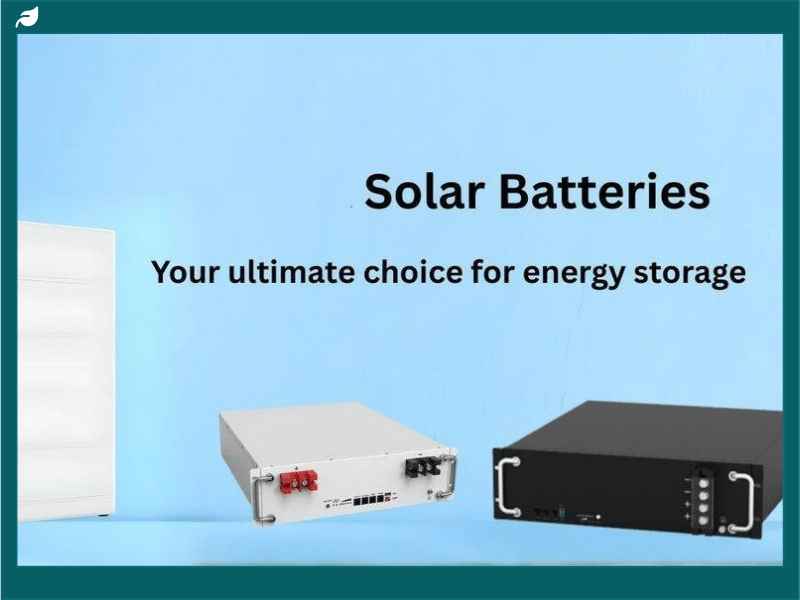
A solar battery stores the energy your solar panels generate during the day for use at night or anytime it is cloudy. If investing in a solar battery, more so in a solar panel battery, you would want it to be highly efficient and durable to warrant a good return on investment.
LITHIUM SOLAR BATTERY has gained quite a lot of popularity within the last couple of years, especially for organizations seeking advanced facilities in energy storage. Excellence in performance and longevity, together with cost-effectiveness, has made this brand most favored for many, especially within regions like Dubai and the UAE where solar energy has gained immense importance.
Efficiency
Efficiency in this sense means how well they can store up and deliver power.It is for this reason that efficiency is one of the major features on which different solar batteries are compared.
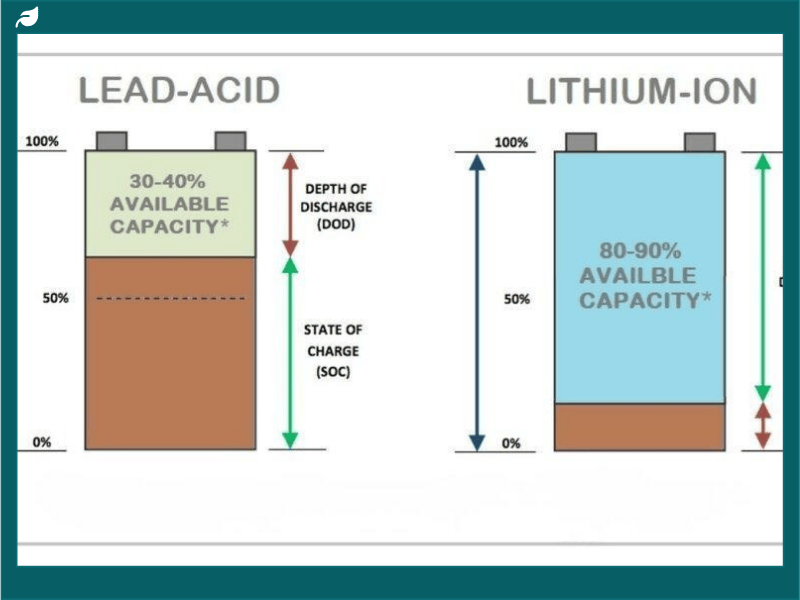
While lead-acid batteries have always been popular historically, they usually exhibit poorer efficiency. They also have deeper charge cycles, meaning their performance degrades over time.
Meanwhile, This Lithium Battery systems are usually more efficient. That, in fact, means more usable energy, less waste, and a more reliable power supply-reliable power that plays an important part in industrial and commercial applications.
Lifespan: How Long Will They Last?
The lifetime of the solar battery significantly affects the price of the solar battery and the long-term cost. The superior chemistry of the lithium batteries allows them to have long lifetimes, typically in the neighborhood of 10 to 15 years with superior cycle stability.
The lead-acid batteries, in that case, would last only 3-5 years, therefore increasing replacement frequency. This will not only raise the cumulative cost of solar batteries but also involve other adversities in logistics, potential downtime included.
Actually, solar lithium batteries make much more sense in investing in long-term solar energy. Durability reduces the costs of replacements and lessens the effort of maintenance; hence, they prove to be cost-effective throughout the lifetime of your solar system.
Cost-Effectiveness: Initial Investment versus Long-Term Savings
Probably, the most common question to all our clients, from factory owners and solar panel distributors to contractors, is the price for solar batteries. Speaking generally, lithium batteries are more expensive at the very start compared to lead-acid batteries. However, if efficiency, longer life, and less maintenance are considered, one would see a much more rational cost for solar batteries.
For example, even though the typical lithium technology solar panel battery will cost more initially, lesser replacement frequencies plus better performance translate into generally lower ownership costs over time.
Large-scale solar projects are at their prime in the Dubai and UAE markets. Most of the companies in these markets have Solar Lithium Battery solutions offering improved performance and long-term savings. The initial investment of the same is paid back with reduced operational costs and greater system reliability.
Comparison Table
| Feature | Lithium Batteries | Lead-Acid Batteries |
| Cost | Higher upfront cost, but lower total cost over lifespan | Lower initial cost, but higher maintenance and replacement costs |
| Energy Density | High (about 150-200 Wh/kg) | Lower (about 30-50 Wh/kg) |
| Lifespan | 10-15 years (approximately 5,000-10,000 cycles) | 3-5 years (about 500-1,000 cycles) |
| Depth of Discharge (DoD) | Typically up to 80-100% | Usually limited to 50-60% |
| Maintenance | Minimal (no watering or equalization needed) | Requires regular maintenance, watering, equalization |
| Charging Speed | Faster charging capabilities | Slower charging, sensitive to overcharging |
| Weight | Lighter for the same capacity | Heavier for equivalent capacity |
| Temperature Tolerance | Better at high and low temperatures | Sensitive to temperature extremes |
| Safety | Generally safer, with advanced management systems | Risk of acid spills and sulfation |
| Environmental Impact | More environmentally friendly, longer lifespan | Less environmentally friendly, shorter lifespan |
| Initial Setup Complexity | Slightly more complex installation due to management systems | Simpler installation, but needs maintenance |
Special Considerations for the Middle East: Dubai and UAE
Indeed, extremely high temperatures and strong sunshine of the region do enforce some limitations on the solar batteries. Of course, lithium batteries can stand extreme conditions more suitably compared to the lead-acid types, especially Solar Lithium Battery in Dubai and Solar Lithium Battery in UAE.
Moreover, the distributor networks of solar lithium batteries enable enterprises to purchase authentic products with valid warranties, one of the key risk mitigation aspects.Many places in Dubai, UAE, Iran, Iraq, and Syria have come to use Solar Lithium Battery solutions due to their excellent performance and reliability aside from competitive solar battery prices.
Factors to Consider When Choosing Your Solar Battery
1. Efficiency and Performance: A need exists to adopt batteries with high charge/discharge efficiency, while the performance will be stable under high-temperature environments.
2. Life Span: Long-lasting solutions, like the Solar Lithium Battery, will go a long way in saving money over an extended period.
3. Cost and Budget: There is a need to balance the initial solar battery price and the operational savings that one is likely to get.
4. Warranty and Authenticity: Find a good and reputable Solar Lithium Batteries distributor to eliminate counterfeit products and make sure the warranty period is real.
5. Size and project requirement: Large industrial systems are able to put lithium batteries into service effectively. Growatt Advantage: We are committed to offering the best solutions to our customers at Growatt. Inventory includes the latest Solar Lithium Battery models available for bulk purchase, with discounts depending on the order size.
Making the Right Choice: Lithium or Lead-Acid?
Although more expensive upfront, lithium ion batteries grant greater efficiency, longer life expectancy, higher DoD, and reduced maintenance, which makes them better suited for long-term, larger, or high-performance solar systems. Regarding the former, though more affordable upfront, this type requires more maintenance and replacements throughout the years and is thus suitable for smaller or budget-constrained setups. In the end this is a strategic choice fully in line with your goal of reliable, efficient, and cost-effective energy storage.