In a not-so-groundbreaking (yet highly entertaining) leap toward the future, Tesla has unveiled the concept of its much-hyped humanoid robot, Optimus. While grand promises abound, so far the world’s had the pleasure of watching Optimus clean floors in a handful of carefully edited videos.
This guide takes a tongue-in-cheek look at the ‘specifications’ and ‘capabilities’ of Tesla Bot, exploring what it could do if it ever moves beyond the mop. Will 2026 be the year it tidies your living room? Only time—and more viral videos—will tell.

Understanding the Vision Behind Tesla’s Optimus
The unveiling of Tesla Bot Optimus represents a pivotal moment in the integration of advanced robotics into daily life. This humanoid Tesla robot stands out in its ability to blend cutting-edge technology with practical utility, underlining the company’s ambitious goals.
By leveraging neural networks, Tesla Optimus is set to redefine what it means to collaborate with technology, offering potential benefits across various sectors. As Elon Musk’s brainchild, the bot Optimus fits seamlessly into Tesla’s broader strategy, driven by an innovative vision that seeks to harmonize machines and humans in contemporary society.
The Role of Robots in Modern Society
In the ever-evolving landscape of technology, robots have become indispensable to modern societal functions. From assembly lines to households, these machines don’t just enhance efficiency but also pioneer new standards in human capability collaboration.
The Tesla Bot Optimus is particularly transformative, emerging as a significant humanoid robot designed by Tesla. Unlike traditional robots, it addresses unique needs through its advanced artificial intelligence and adaptability, characteristics facilitated by robust neural networks.
This technological prowess allows it to perform complex tasks once deemed exclusive to human dexterity. The societal implementation of such robots can alleviate labor shortages, particularly in sectors demanding precision and repetitiveness.
By assuming routine, mundane tasks, robots like the bot Optimus empower humans to redirect their focus toward creative and strategic endeavors. Furthermore, the societal implications of deploying humanoid robots can lead to profound economic shifts.
The initial investment in robots such as Tesla Optimus might seem substantial; however, the long-term cost savings are significant. These machines can operate continuously, unlike human workers who require breaks and are subject to fatigue.
Over time, deploying autonomous robots can lead to a reduction in labor costs and increased operational efficiency. Additionally, the integration of robots in various industries could spur innovation, leading to the development of new business models and reshaping the job market.
Safety and accessibility are also enhanced through humanoid robots. They can engage in risky tasks that might endanger human workers, thus reducing workplace injuries and fatalities.
Humanoids offer the potential for increased accessibility for individuals with disabilities, performing tasks that enable autonomous living. As these robots gain more sophisticated capabilities, they may also support educational needs, aiding in tasks across all levels of academia and potentially introducing novel learning methodologies.
Tesla’s dedication to a future supported by its robot Optimus showcases a bold step towards integrating robotic technology into the very fabric of society, fostering an environment where humans and technology coexist harmoniously.
How Optimus Fits into Tesla’s Broader Strategy
Tesla’s strategic initiatives have consistently pushed the boundaries of what’s considered possible in tech and automotive sectors. Positioned at the intersection of innovation and practical application, the Tesla Bot Optimus exemplifies this strategic vision.
Elon Musk has long envisioned a future where machines complement human endeavors, and the introduction of this humanoid reinforces this aspiration. The Tesla Optimus robot is not just a milestone for Tesla but represents a broader narrative in which technology addresses real-world problems through intelligent design and application.
At the heart of this strategy is the integration of neural networks, which enables Optimus to perform tasks with an unprecedented level of autonomy. By harnessing real-time data and machine learning capabilities, this humanoid Tesla robot can adapt to a variety of environments, performing with precision and without the need for constant human supervision.
This is particularly strategic as it allows Elon Musk’s vision of a more sustainable future to materialize. Tesla’s focus on carbon reduction through electric vehicles is mirrored here, as Optimus can operate without the carbon footprint associated with human labor.
Additionally, within Tesla’s business slate, the bot Optimus aligns seamlessly with the company’s tradition of creating tech-driven solutions that deliver both value and innovation. Beyond just fulfilling immediate business needs, the humanoid robot is primed to act as a flexible workforce capable of revolutionizing industries ranging from logistics to healthcare.
The overarching theory here is that each robot can be seen as an IoT device connected to a larger network, a strategic move that aligns with Tesla’s aspirations to lead in the creation of smart, interconnected systems. Moreover, envisioning a future where robots are integral parts of the home and workplace challenges our current understanding of domestic and professional environments.
Tesla’s commitment to pushing the tech frontier is thus about more than profit; it’s about reshaping societal structures and redefining possibilities. The Tesla Bot, also referred to as the Tesla robot, is a compelling embodiment of Tesla’s broader strategy, fostering tech that promotes sustainability while enhancing human life across the globe.
Through Optimus, Tesla is investing not only in robotic technology but also in a future reimagined through shared advancements.
Detailed Specifications of Optimus Humanoid
Unveiling the Tesla Bot, also known as Optimus, offers a glimpse into the future where advanced robotics seamlessly integrate into daily activities. Featuring Tesla’s renowned innovation and technology expertise, this humanoid robot is designed to bring practical utility and efficiency. With insights into key features and design elements, as well as the innovative technologies empowering Optimus, these specifications highlight Tesla’s ambition to harmonize cutting-edge tech with affordable utility. The focus on detailed specs sheds light on Tesla’s unique approach, ensuring Optimus isn’t just a marvel of engineering but also an embodiment of their strategic commitment to progress.
Key Features and Design Elements
The Optimus humanoid robot by Tesla encapsulates a confluence of groundbreaking design elements and key features, redefining what consumers might expect from a humanoid machine. Standing at approximately 5 feet 8 inches and weighing 125 pounds, Optimus is designed to mirror human proportions, making it versatile in various environments from industrial settings to household applications.
Crafted with durable yet lightweight materials, this Tesla robot features a sleek and ergonomic exterior that balances aesthetic appeal with functional mobility. The robot’s design also includes 40 electromechanical actuators, giving it the dexterity and movement often reserved for human analogs.
Its cutting-edge design doesn’t just focus on physical attributes. Rather, it’s integrated with state-of-the-art software allowing for a wide range of motion and precision. This includes Tesla’s proprietary Full Self-Driving computer, which leverages vast amounts of sensory data to navigate complex environments autonomously.
Central to Optimus’s design ethos is its robustness in task execution, powered by an advanced suite of sensors that bestow it with near-human-like sensory capabilities. This includes the ability to see, touch, and hear, which is facilitated by Tesla’s leading advancements in computer vision and neural networks.
Furthermore, the humanoid is equipped with a standardized interface that seamlessly communicates with other smart devices, positioning it as a core component in the Internet of Things (IoT). This functionality makes it invaluable for homes and workplaces alike, as it synchronizes with existing tech, enhancing Tesla’s broader utility in smart ecosystems.
The incorporation of these features not only positions Optimus as a technologically advanced entity but also underscores its potential role in redefining labor dynamics and automation. Grounded on these design pillars, Optimus aims to blur the lines between robotics and human interaction, reinforcing Tesla’s commitment to innovation and redefining human-machine collaboration.

Innovative Technologies Empowering Optimus
The technological backbone of the Tesla Optimus robot is a testament to Tesla’s forward-thinking approach to robotics. Pioneering the integration of robust artificial intelligence, the Optimus humanoid uses neural networks that replicate human cognition, allowing it to engage in complex decision-making processes.
This innovative neural framework underpins the robot’s ability to learn and adapt to different tasks and environments, enhancing its value across multiple operational fields. Central to Optimus’s technological prowess is its sophisticated computer vision systems.
Equipped with advanced cameras and sensors, the robot perceives its environment with exceptional depth, akin to human perception. This vision system is fine-tuned by deep learning algorithms, enabling precise navigation and interaction within its surroundings.
Such technological innovations ensure that the robot can operate autonomously, understanding spatial dynamics efficiently and performing tasks with minimal human oversight. Moreover, software plays a critical role in bringing Optimus to life.
Tesla’s unique software ecosystem allows for continuous updates and improvements, ensuring the robot evolves with advancing technology. The software is designed to be open, allowing third-party developers to build applications that can extend Optimus’s functionality according to specific needs.
This idea of continual improvement and flexibility is central to Tesla’s strategy, facilitating a robot that’s not just futuristic but also future-ready. Additionally, the energy efficiency of the Tesla Optimus cannot be overlooked.
Tesla’s well-documented advancements in battery technology are leveraged here, ensuring the robot can function over extended periods without necessitating frequent recharges. This energy efficiency underscores a commitment to sustainability, a hallmark of all Tesla products.
Thus, in blending hardware, software, and innovative energy management, the Tesla Optimus emerges not just as a product but as a symbol of technological integration that can significantly impact how humans and machines co-exist. Its innovative core positions Optimus as a paradigm shift, echoing Tesla’s vision for an interconnected, tech-driven future where humanoid robots augment human capabilities.
| Key Features | Design Elements | Technologies | Applications |
| Height: 5’8″ | Sleek, human-like form | AI-powered neural networks | Manufacturing support |
| Weight: 125 lbs | Aerodynamic structure | Advanced sensor suite | Logistics assistance |
| Payload: 45 lbs | Lightweight materials | Autonomous navigation | Customer service |
| Speed: 5 mph | Ergonomically designed joints | Machine learning capabilities | Healthcare support |
| Battery: 10 kWh | Energy-efficient components | Human-machine interface | Home assistance |
The Tesla Optimus humanoid robot features cutting-edge design and technology aimed at enhancing interaction with humans across multiple environments. It combines an aesthetically pleasing structure with state-of-the-art sensors and AI algorithms to perform a variety of tasks, from manufacturing to personal assistance, effectively bridging the gap between human and machine cooperation.
Comparing Robot Cost: Optimus vs. Traditional Models
In the ever-evolving landscape of robotics, the financial implications of adopting cutting-edge technology remain a focal point for businesses considering automation. The Tesla Optimus stands out as a compelling model, offering competitive features that present a cost-effective solution in comparison to traditional robots.
As Tesla further innovates in the field, the Optimus robot’s price is a significant factor that businesses must consider, analyzing robot cost and potential long-term savings. By delivering advanced functionalities at an accessible price point, the Optimus promises an advantageous option for companies aiming to integrate sophisticated automation into their operations.
What Makes Optimus a Cost-Effective Solution?
Tesla’s Optimus is designed with cost-effectiveness at its core, distinguished by its advanced capabilities and strategic market pricing. This humanoid robot is built to transcend traditional models by offering a blend of affordability and high-tech features, making it a viable choice for businesses looking to curb expenses while expanding automation.
Traditional robots often come with substantial initial costs and ongoing maintenance expenses, not to mention the technical limitations that can curb their usefulness over time. In contrast, Optimus is engineered specifically to maximize return on investment, aligning with Tesla’s broader strategy of sustainability and forward-thinking technological integration.
One of the key factors contributing to the Optimus being a cost-effective solution is its advanced neural networks. These allow the robot to perform tasks autonomously, thereby reducing the need for human oversight and associated labor costs.
The robot’s AI capabilities enable it to learn and adapt, ensuring that it remains efficient and effective in varying environments without requiring constant adjustments. By leveraging Tesla’s expertise in battery technology, Optimus ensures prolonged operation times with minimal energy consumption, translating into further cost savings.
Moreover, the robot’s price point is reflective of Tesla’s commitment to making advanced robotics accessible. Optimus is priced comparatively lower than many traditional models, which often require significant capital investment without the promise of operational flexibility.
The inclusion of Tesla’s proprietary Full Self-Driving computer and its seamless integration with IoT networks enhances its utility, allowing businesses to streamline operations and minimize downtime. Market readiness of Optimus is another factor that adds to its cost-effectiveness.
Unlike traditional robots that might lack the agility to quickly shift tasks in dynamic operational environments, Optimus’s adaptability minimizes additional expenditures on customization. The robot evolves with software updates, enhancing its functionality without the need for costly hardware replacements.
Such flexibility ensures that the initial investment is extensively leveraged across its operational life. Finally, potential buyers should consider the strategic benefits beyond direct savings.
Adopting Optimus supports Tesla’s sustainable enterprise goals, offering businesses an opportunity to align with a company that prioritizes environmental consciousness and technological advancement. In choosing Optimus, companies invest not only in a robot but in a partnership with a tech leader poised to revolutionize industries through innovation.
In essence, while analyzing robot cost, Optimus emerges as a promising conduit to both immediate efficiency gains and long-term strategic value.
Will Tesla’s Optimus Actually Launch in 2026?
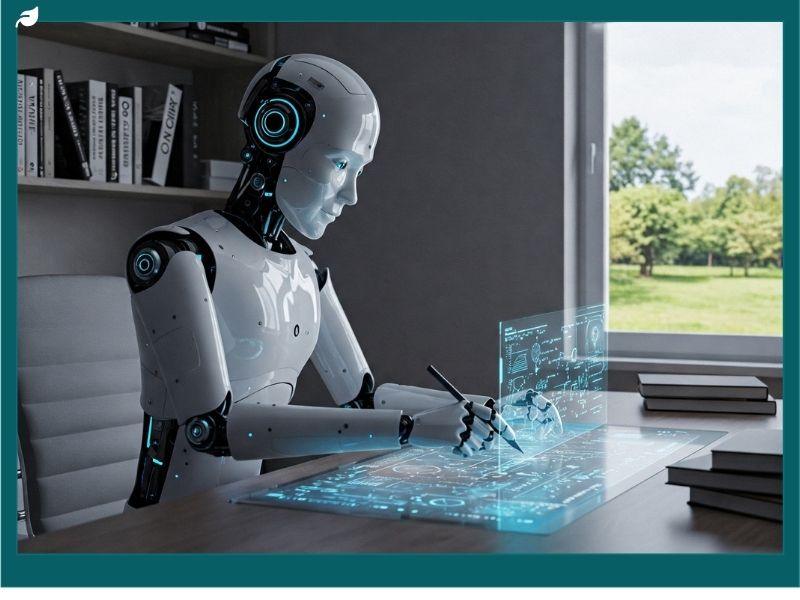
The robotic revolution might be on the horizon—or at least on YouTube—with Tesla’s Optimus possibly debuting in 2026, or maybe just starring in more cleaning montages.
With anticipation fueled mostly by social media buzz and Elon Musk’s legendary showmanship, Optimus currently embodies Tesla’s innovative spirit and a healthy sense of humor. As excitement builds (and floors get shinier), questions remain about the actual timeline.
Will Optimus really roll out to homes, or will it remain the world’s most famous robot janitor? Only Tesla knows for sure.
Projected Timeline and Market Readiness
As Tesla gears up for what could be a 2026 ‘release’ of the Optimus humanoid robot (or another viral video), the timeline remains as mysterious as Optimus’s actual skills.
Sure, there’s talk of meticulous planning and phased rollouts, but right now, market readiness seems to mean getting the robot to vacuum without tripping over the cat. Anticipation is high—especially among those who hate sweeping—but for now, Optimus’s biggest milestone might be trending on social media.
Will it be a household staple or just a really expensive cleaning meme? Stay tuned.
Key Aspects Essential for Tesla’s Successful Market Entry with the Optimus Humanoid Robot
- Consumer Benefits: The Optimus robot is designed to alleviate mundane and labor-intensive tasks, allowing consumers to focus on more creative and strategic activities.
- Its energy efficiency and adaptability make it an attractive solution for reducing household workload and increasing productivity in various settings.
- Strategic Partnerships: Collaborations with leading AI firms and robotics companies will enhance Optimus’s capabilities.
- Partnerships with businesses in the healthcare and manufacturing sectors can lead to the integration of specialized applications, maximizing the robot’s functionality.
- Industrial Applications: Optimus is expected to revolutionize industries such as manufacturing, logistics, and healthcare by providing support in assembling products, performing inventory tasks, and assisting healthcare personnel, thereby enhancing operational efficiency.
- Consumer and Industry Education: Tesla plans to roll out comprehensive educational initiatives to inform both consumers and businesses about Optimus’s potential. Workshops, webinars, and demonstration events will illustrate its practical uses and ease of operation.
- Logistical Challenges and Solutions: To address distribution challenges, Tesla will leverage its existing automotive delivery network and establish new hubs dedicated to robotic products. Efficient supply chain management will ensure timely and cost-effective delivery.
- Competitive Advantages: Tesla’s expertise in AI, battery technology, and sustainable energy solutions gives it an edge in developing a more advanced and environmentally friendly humanoid robot compared to competitors.
- Safety Protocols: Tesla will implement rigorous safety tests and establish robust emergency handling protocols. Continuous software updates and fail-safe mechanisms will be integrated to enhance product reliability and user trust.
Anticipating Optimus’s launch highlights Tesla’s innovative approach set to redefine industry standards.

The Future Potential and Adoption of Humanoids
As we edge closer to whatever year Tesla picks for the Optimus ‘release,’ the potential of humanoid robots expands—at least in our imaginations, if not our households.
The most transformative shift so far? Watching a robot clean a table on YouTube while Elon Musk hints it could someday do your laundry. Maybe.
For now, Optimus’s ability to vacuum and wave at the camera is changing the way we think about robots—mainly as viral video stars. Will it one day redefine labor and social interaction? First, it has to master the Roomba’s job.
As Tesla’s bold marketing for the Optimus robot evolves, so does the legend.
With each new video of Optimus cleaning a table or cautiously sidestepping a chair, we’re reminded that the future is almost here—just as soon as the robot finishes wiping up that last spill.
Will it revolutionize home assistance or simply give us more memes? Either way, Optimus proves one thing: in 2026, the best robot is the one that can handle a broom—and a crowd on the internet.