Anyone familiar with how warehouses work knows they’re expected to do more than just move products quickly. They need to operate responsibly. The pressure to cut waste, reduce emissions, and rethink energy use has turned sustainability into a main requirement, not an optional goal. What helps this change the most is technology. Different types of tools and solutions available today make it possible for warehouses to manage their inventory while also reducing their environmental footprint.
Let’s see how exactly that is happening.
Cloud-Based Warehouse Inventory Management
Cloud-based systems are what brought one of the biggest changes in how warehouses deal with everyday operations.
Forget about relying on bulky on-site servers or, worse, stacks of paper. Everything is stored and managed in one place, digitally. This means there’s less paper waste or need for physical infrastructure. There’s also less energy needed for maintaining local servers.
With these warehouse inventory management platforms, data is always up to date and easy to access. You can check stock levels from anywhere and make decisions quickly, without worrying about old records slowing you down. Then, the chances of overordering or letting products expire shrink, which directly reduces waste.
Internet of Things (IoT)
Another important tool seen in warehouses is IoT sensors. They keep warehouses lean and resource-conscious. If you attach them to shelves, pallets, or even delivery trucks, you can get instant updates on stock levels, temperature, and movement. That kind of visibility lets you cut down the risk of overstocking, spoiled goods, or shortages that lead to wasted materials and higher costs.
From a sustainability standpoint, the benefits show up in two big ways. Better tracking means you don’t end up using extra space or energy to store products you don’t need. It also helps make sure items are shipped out on time, so nothing goes to waste or ends up adding the extra carbon footprint that comes with reordering or disposing of expired stock.
Artificial Intelligence and Machine Learning
AI tools give warehouses a way to forecast demand with far better accuracy. They can analyze sales patterns, seasonal shifts, and even external factors like weather. Then, you can keep the right amount of stock on hand. There are fewer wasted goods sitting in storage and fewer emergency shipments that raise costs and emissions.
Machine learning also sharpens how resources are used. It can suggest better storage layouts, optimize shipping routes, and highlight inefficiencies that humans might overlook. Each of these improvements reduces the energy used in day-to-day operations.
One recent finding: IDC reports that many companies using inventory optimization (a core function of AI/ML systems) reduce inventory levels by up to 25% within a year. That shows how predictive tools can drive both cost savings and a lighter environmental footprint.
Robotics and Automation
When talking about automation in warehouses, many people think it means speeding up picking and packing. Actually, it goes far beyond that. With robots moving goods as precisely as humans (if not better), reducing mistakes in sorting, and optimizing how items are stored, warehouses can lower costs and cut down on wasted packaging and excess handling.
From a sustainability angle, robotics helps reduce the energy spent on repetitive tasks. Because such systems don’t need bright lighting or climate control for comfort, warehouses can save on power. They also keep movement smooth and direct, avoiding the wasted effort that adds up over time.
Renewable Energy Integration
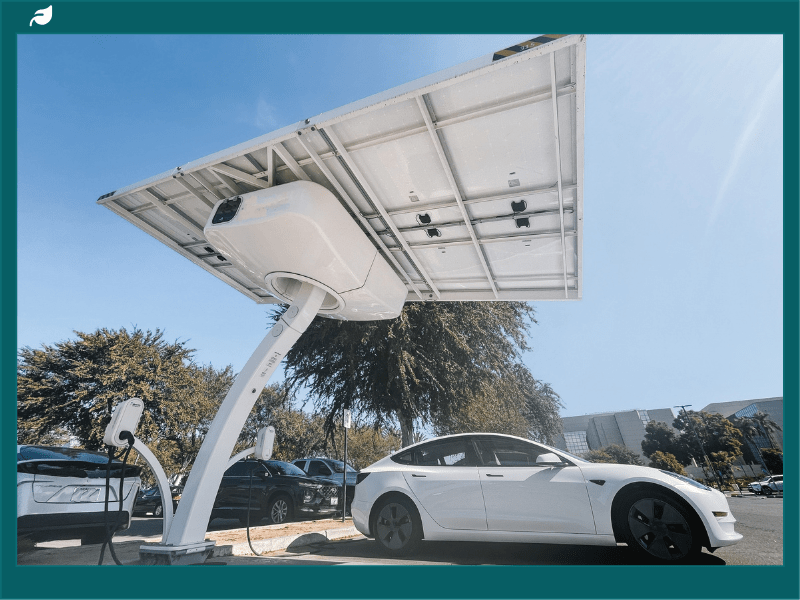
More warehouses are turning to renewable energy to power their operations. We’re talking solar panels on rooftops, wind turbines, and renewable energy partnerships. They all cut back on dependence on fossil fuels.
And since energy use is one of the main contributors to a warehouse’s carbon footprint, all of this makes a noticeable difference.
It even goes further when renewables are paired with smart energy management systems. Such a combination helps balance energy loads, store excess power, and reduce usage of non-renewable sources during peak demand.
What do you get? A more reliable, cleaner power supply that supports long-term sustainability. Recent data backs this up. A 2024 ScienceDirect report notes that warehouses that adopted solar panels increased their self-consumption of solar energy by 25% while cutting overall energy use in the process.
Conclusion
Running a sustainable warehouse means looking at technology through a different lens. One that balances performance with responsibility.
All the solutions we’ve listed aren’t future ideas, but something being used right now to change how warehouses work. So, sustainability isn’t something to think about later; it’s already here in 2025. The companies making real progress are the ones that use technology not just to move products faster, but to do it with less impact on the planet.
Do you want to join those companies? Investing in sustainability is the move that will make you stand out.