RP Global breaks ground on a 50 MWp solar park at historic Harbke lignite site
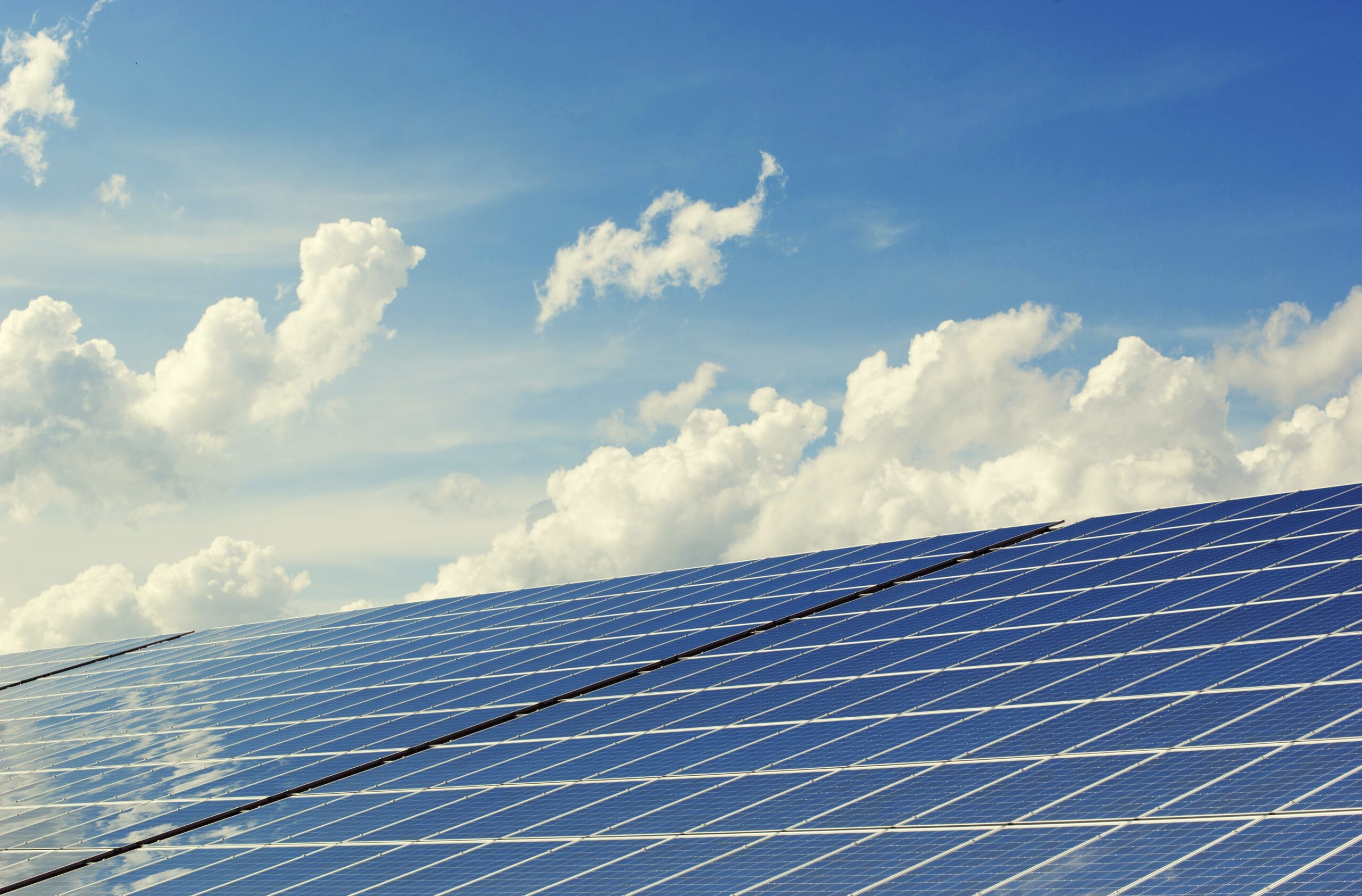
On the former dividing line between East and West Germany, a landmark energy transition is underway. RP Global has begun construction on its first German solar photovoltaic (PV) park, transforming a spoil tip in Harbke, Saxony-Anhalt, from a symbol of coal’s past into a beacon of renewable energy.
The 50 MWp Harbke solar project occupies the site of one of Germany’s oldest lignite mines, long associated with the fossil fuel industry. In collaboration with EPC partner MaxSolar, RP Global is now repurposing this scarred industrial landscape into a clean energy hub. An expansion of the project is already planned, signalling the start of a broader push into Germany’s solar sector.

From lignite legacy to solar future
Harbke’s history is deeply entwined with energy production. For decades, lignite was extracted here to fuel the region’s power plants. After the Second World War, the open-cast mine was physically divided, serving as an energy resource on both sides of the Iron Curtain. The municipality’s decision to reimagine the site marks a deliberate shift: a move from carbon-intensive coal to climate-positive renewables.
The repurposed land offers advantages beyond symbolism. The area is already intersected by two power lines, enabling efficient grid connection without the need for costly new infrastructure. For RP Global, this ensures the electricity generated can be swiftly integrated into Germany’s energy system.
A solar park with historical sensitivity
The project site carries not only industrial heritage but also political memory. Access to the construction area follows the “Kolonnenweg,” the patrol road once maintained by East German border guards along the so-called “death strip.” Recognised as a listed historical monument, this remnant of division is being carefully preserved. Rigorous precautions are in place to ensure delivery and installation of park components do not damage the protected path.
This dual role—preserving memory while enabling progress—makes the Harbke site uniquely emblematic of Germany’s broader transformation. It illustrates how places burdened by history can be reimagined as assets in the fight against climate change.
Local sustainability ambitions
The Börde district, where Harbke lies, is one of only five municipalities in Germany participating in the Global Sustainable Municipality initiative, which integrates the United Nations’ 17 Sustainable Development Goals (SDGs) into local governance. By hosting one of the most significant renewable projects in the region, Harbke strengthens Börde’s ability to meet its sustainability targets.
Solar power is already expanding rapidly in Germany, where national ambitions are set on reaching 215 GW of installed solar capacity by 2030. Projects such as Harbke contribute to closing the gap between current capacity – just under 82 GW as of mid-2025 – and the government’s climate commitments.
Industrial land as renewable opportunity
The Harbke conversion reflects a broader European trend: transforming former coal mining areas into renewable energy zones. Across Germany’s coal regions, lignite and hard coal sites are being remediated and reimagined for solar, wind, and green hydrogen.
By prioritising “brownfield” developments, companies like RP Global avoid competing with agricultural or ecologically sensitive land. This aligns with the EU’s emphasis on sustainable land use under the Green Deal. According to the International Energy Agency, reusing post-mining sites can accelerate renewable roll-out by providing large, grid-adjacent areas with minimal community opposition compared to greenfield developments.
Industry significance
RP Global’s entry into Germany marks a strategic milestone for the company, which has renewable assets across Europe, South America, and Africa. The Harbke solar park demonstrates how international developers are responding to Germany’s policy framework, which combines ambitious climate targets with financial incentives for large-scale PV.
“Brown-to-green” projects also carry a symbolic weight. By re-siting solar farms on coal lands, they not only decarbonise energy production but also reframe public narratives around energy transition. In regions where coal once provided livelihoods, such projects can serve as visual proof that renewables bring new investment and purpose.
Harbke’s role in a just transition
Germany’s coal exit is legislated to complete by 2038, though policymakers are pushing for an accelerated 2030 phase-out. This raises pressing questions about the social and economic future of mining communities. While large-scale solar cannot replicate all the jobs once sustained by coal, projects like Harbke show a path forward: regenerating landscapes, attracting investment, and aligning local identity with sustainable progress.
For Harbke, the project’s resonance lies not only in megawatts but also in memory. The transformation of a borderland mine into a solar park epitomises how places of division and depletion can be recast as foundations for shared, sustainable futures.
Outlook
With its first 50 MWp now under construction and further expansion planned, RP Global’s Harbke solar park sets a precedent for how historic industrial landscapes can be revitalised for climate goals. As Germany races to expand renewable capacity in line with its 2030 commitments, such projects will be vital.
For the Börde district and its residents, the project is more than a clean energy facility: it is a tangible contribution to global sustainability goals and a powerful local symbol of transformation – from brown coal to green power, from division to unity, from history to future.
Looking for a solar installer?
Compare MCS-certified solar panel installers across the UK in our directory, with ratings, reviews and free quotes, listed by county.
Related solar guides: