Rebecca Brocato of Oritain discusses forensic origin verification, forced labour risk, and supply chain transparency amid evolving global regulation.
Please introduce yourself to our readers and tell us a bit about your role and your work at Oritain.
My name is Rebecca Brocato and I am Oritain’s Chief Government Affairs Officer for the Americas. I’m responsible for overseeing Oritain’s global public policy strategy and government affairs. I am a translator. I help our teams understand the trajectory of laws and regulations around the world and engage policymakers to ensure that the company is considered a ‘source of truth’ for regulators and policymakers as they navigate a complex global trade landscape.
Before I joined Oritain, I held various roles in senior government affairs and foreign policy, including as Special Assistant to President Biden and NSA Senior Director as well as Chief of Staff of the U.S. International Development Finance Corporation.
Why is forced labour increasingly becoming a commercial issue rather than simply a compliance concern for global businesses?
The risk of forced labour exposure can become a blocker for businesses, presenting serious commercial issues and hindering their operations.
Failure to comply with labour laws can directly threaten a company’s market access and have devastating financial consequences. Businesses who don’t abide by these laws risk being targeted by tariffs and legal action. For example, recent False Claims Act cases resulted in over $6.8B paid out by US companies alone in FY25.
There is a risk of severe reputational damage for both individuals and businesses. Leaders risk being considered personally responsible in some instances under frameworks such as the False Claims Act in the US, while their companies are likely to be poorly perceived by consumers. The latest Oritain Supply Chain Intelligence Report revealed that 60% of individuals actively avoid products with untrustworthy origins, leading to irreparable consequences for businesses.
Despite traceability adoption, risk remains. Many organisations still rely on unverified supplier declarations.
How does forensic verification differ from relying on supplier declarations when confirming where products and materials truly originate?
Documents can be easily manipulated, falsified, or lost. It’s no longer enough to just rely on a paper or digital trail of documentation and supplier declarations. While these demonstrate intent and process, only verification provides a defensible source of truth in an increasingly enforcement-led environment. And the country of manufacture has become a misleading proxy for origin assurance, as material flows, trade routes, and upstream sourcing decisions are taking priority over factory addresses.
Forensic origin verification provides independent scientific evidence of where a raw material was grown, harvested or produced, enabling brands to confidently stand behind sourcing claims and build effective global compliance strategies. This process is especially important as the proportion of brands analysed in Oritain’s Market Insights Program with at least one result consistent with prohibited cotton grew from 64% in 2024 to 90% in 2025. When dealing with materials such as cotton, timber, and leather, forensic verification can help organisations strengthen origin assurance, support compliance programmes, and identify potential sourcing discrepancies.
In what ways do Oritain’s forensic analysis and proprietary data science techniques help companies evidence product origin with confidence?
Global regulators are sharpening their focus on origin claims and transshipment risks. Oritain’s forensic analysis and proprietary data science techniques help companies evidence product origin by combining traceability systems, supplier due diligence and independent verification methods.
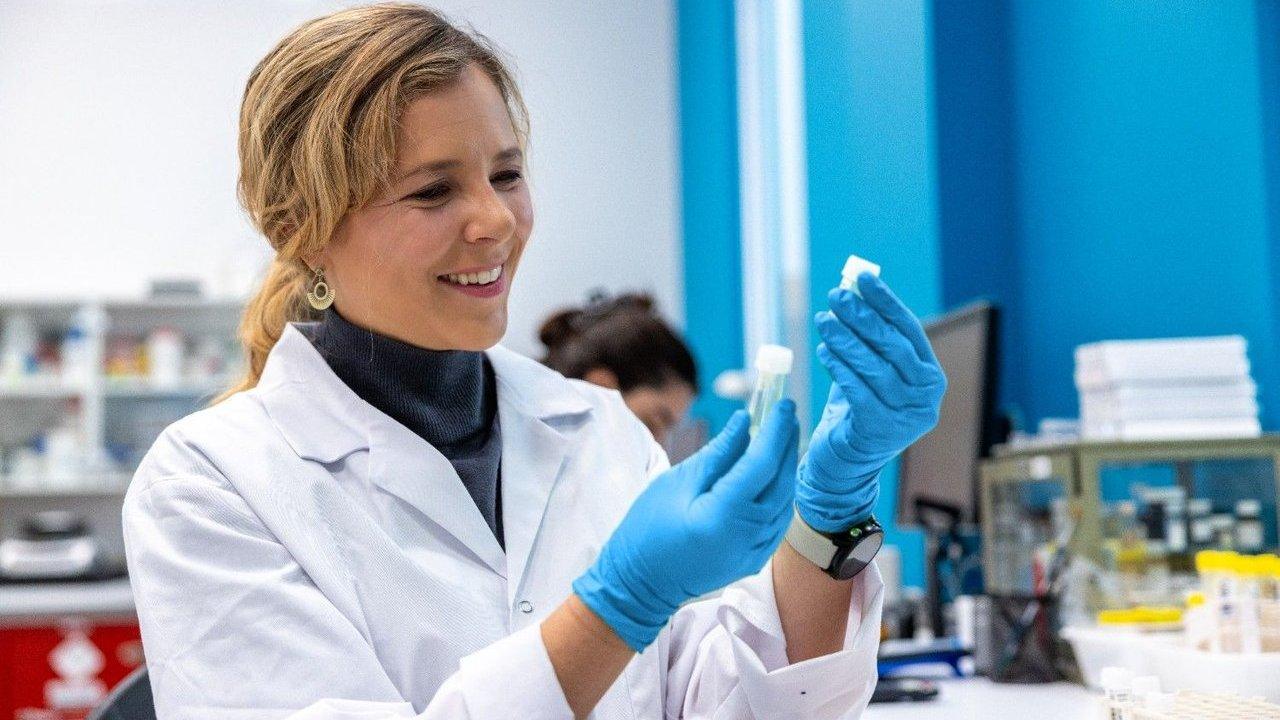
Our verification process analyses naturally occurring isotopes and trace elements within products combined with advanced statistical modelling. Crucially, this provides an independent layer of verification beyond supplier declarations and digital records, helping businesses assess whether the physical product itself is consistent with its claimed origin.
This not only lets organisations identify potential discrepancies before products are shipped across borders, but also prepares them for a regulatory environment increasingly focused on proving where products come from.
How are evolving regulations across the US and Europe reshaping expectations around supply chain transparency and market access?
Tariffs, enforcement actions, and shifting sourcing patterns are increasing supply chain volatility and risk exposure. The international regulatory landscape has proved challenging to navigate, as both the EU and US implement new regulations and expand existing frameworks.
Brands importing into the US are also operating against a backdrop of changing tariffs particularly in the context of the recent section 301 investigations, WROs, and the Uyghur Forced Labor Prevention Act (UFLPA). Failing to abide by these measures can incur a range of consequences and market access challenges, such as the immediate detention of goods without prior notice or being listed as a prohibited source.
These ever-changing supply chain regulations and geopolitical factors are being compounded by economic pressure and growing consumer scepticism – in fact, only 3% of them trust brand marketing claims. The businesses that will best handle these changes will be those who evidence the integrity of their supply chains and have a strong compliance strategy which aligns with regulation.
What exciting plans and goals do you have for Oritain over the next few years?
This is an exciting moment in our journey. We’ve proven the value of forensic origin verification at scale, and now we’re focused on expanding what that enables for our customers. That means continuing to invest in world-class science, delivering more actionable supply chain intelligence, and strengthening the trusted networks that sit behind global trade. Ultimately, our ambition is simple: to become the source of truth for supply chains and help organisations make faster, more confident and more defensible decisions.