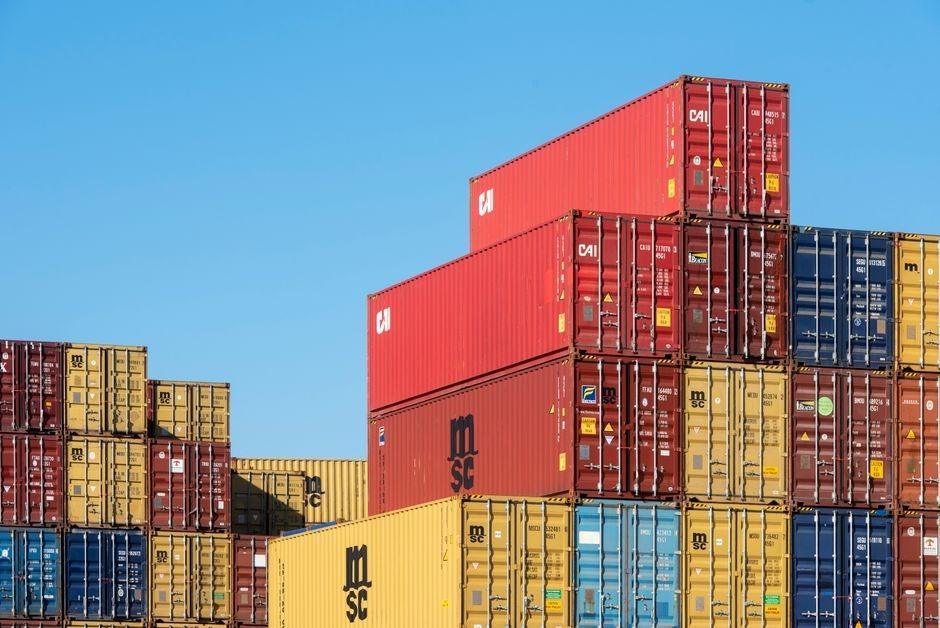
Supply chains rarely receive attention when everything works as planned. Yet they influence much more than whether products arrive on time. The materials companies purchase, the suppliers they work with, the transportation methods they choose, and the amount of waste they generate all have environmental and social consequences.
For professionals interested in business careers that combine leadership with meaningful sustainability challenges, supply chain management offers an opportunity to make decisions that affect both organizational performance and the communities and environments surrounding businesses. As companies face growing expectations around responsible sourcing, waste reduction, emissions, ethical labor practices, and transparency, supply chain leadership is becoming an increasingly important part of sustainable business strategy.
Why Sustainable Supply Chains Matter
A company’s environmental and social impact often extends far beyond its own facilities.
Consider a manufacturer purchasing raw materials from suppliers in several countries. Those materials must be extracted, processed, packaged, and transported before they reach the production facility. Each stage can involve energy consumption, emissions, waste, labor considerations, and resource use.
This means companies cannot address sustainability effectively by focusing only on what happens inside their offices or factories.
Supply chain professionals can influence decisions involving:
- Responsible sourcing and supplier selection
- Transportation and logistics efficiency
- Energy and resource consumption
- Packaging and material waste
- Inventory management
- Supplier labor and ethical standards
- Supply chain transparency
- Risk management and resilience
These decisions can create measurable business benefits while also supporting broader environmental and social goals. Reducing unnecessary transportation, for example, can lower costs while reducing fuel consumption and emissions. Better inventory planning can prevent excess products from becoming waste. Working with responsible suppliers can help organizations strengthen ethical and environmental standards throughout their operations.
Sustainable Business Requires Supply Chain Leadership
Sustainability is increasingly becoming a business leadership issue rather than a separate corporate initiative.
Executives may establish sustainability goals, but supply chain teams often determine how those goals are implemented in practice. A company cannot make meaningful progress toward responsible business practices if its purchasing decisions continue to prioritize short-term cost savings without considering environmental or social consequences.
This creates a need for professionals who understand both business performance and sustainability.
For professionals considering an MBA in supply chain management, graduate business education can provide an opportunity to develop that broader perspective. St. Thomas University offers an online MBA with a concentration in supply chain management, combining graduate business education with specialized study relevant to supply chain decision-making.
A broader business education can help professionals evaluate supply chain choices through multiple lenses. Instead of asking only whether a supplier offers the lowest price, a future supply chain leader might also consider the supplier’s environmental practices, labor standards, reliability, transparency, and long-term risk.
That approach can help connect operational decisions with wider organizational values.
Responsible Sourcing Can Influence Social Impact
Supplier selection is one of the clearest areas where supply chain professionals can contribute to social responsibility.
Businesses often work with networks of suppliers that operate across different regions and regulatory environments. Purchasing decisions can therefore affect working conditions, community development, resource use, and ethical business practices.
Responsible sourcing may involve evaluating suppliers according to factors such as:
- Workplace safety
- Labor practices
- Environmental compliance
- Resource management
- Transparency
- Ethical conduct
- Long-term supplier relationships
The goal is not simply to find the most sustainable supplier regardless of cost. Businesses still need to remain financially viable. Instead, responsible supply chain leadership involves understanding the broader consequences of purchasing decisions and finding practical ways to balance cost, quality, resilience, and responsibility.
That balance is an important part of sustainable business management.
Technology Can Support More Sustainable Decisions
Modern supply chains generate large amounts of data. When used effectively, that information can help businesses identify opportunities to reduce waste and improve resource efficiency.
Forecasting tools can help companies avoid ordering more inventory than customers need. Transportation data can reveal inefficient routes. Supplier performance information can identify recurring quality or compliance concerns. Inventory systems can help organizations monitor products and materials more accurately.
Technology does not automatically make a supply chain sustainable, however. Leaders still need to determine which metrics matter and how those measurements should influence decisions.
For example, a company might track transportation costs alongside fuel consumption or emissions. Another organization could evaluate suppliers based not only on price and delivery performance but also on environmental and social criteria.
The combination of data and responsible decision-making can turn sustainability from a broad objective into something that can be measured and managed.
Reducing Waste Can Benefit Business and the Environment
Waste reduction is another area where sustainability and operational efficiency naturally overlap.
Excess inventory, damaged goods, unnecessary packaging, inefficient transportation, and poor demand forecasting can all create avoidable waste. They can also increase operating costs.
Supply chain professionals can help address these problems by improving forecasting, reviewing purchasing practices, optimizing transportation, and examining how products are packaged and distributed.
Small operational improvements can have broader effects when they occur across a large supply network.
For example, reducing unnecessary packaging may decrease material consumption while lowering transportation weight. Better inventory planning can reduce the number of products that expire, become obsolete, or require disposal. More efficient transportation planning can potentially reduce both operating costs and fuel use.
This is one reason sustainable supply chain management can be valuable from both an environmental and business perspective.
Resilience Is Part of Sustainable Supply Chain Strategy
Sustainability also involves building systems that can withstand disruption.
A supply chain dependent on a single supplier, geographic region, or transportation route may appear efficient under normal conditions but become highly vulnerable when circumstances change. Natural disasters, extreme weather, geopolitical events, transportation disruptions, and resource shortages can all affect business continuity.
Resilient supply chain planning can involve developing alternative suppliers, improving visibility across the supply network, maintaining appropriate inventory levels, and identifying vulnerabilities before they become emergencies.
There can be a sustainability connection here as well. A resilient organization may be better positioned to maintain essential products and services during disruptions rather than relying on costly emergency responses that increase resource consumption and waste.
The objective is not to eliminate every risk. Instead, sustainable leadership means understanding which risks matter most and developing responsible, realistic responses.
Developing the Skills for Sustainable Supply Chain Leadership
Professionals entering this field need more than technical knowledge of logistics and procurement. They also need the ability to evaluate complex trade-offs involving people, resources, finances, and environmental impact.
Important capabilities include:
- Sustainable sourcing
- Data analysis and performance measurement
- Supplier evaluation
- Risk management
- Inventory and demand planning
- Environmental impact assessment
- Negotiation
- Financial decision-making
- Cross-functional communication
- Strategic thinking
Organizations such as the Association for Supply Chain Management provide professional education, certifications, research, and resources that can help professionals continue developing their supply chain knowledge.
Continued learning is particularly important as sustainability expectations evolve. Regulations, customer preferences, reporting practices, technologies, and supplier standards can all change over time.
Sustainable Supply Chain Careers Span Multiple Industries
Nearly every industry relies on some form of procurement, logistics, distribution, or operations. That makes sustainable supply chain expertise applicable across a wide range of sectors.
Professionals may find opportunities in:
- Manufacturing
- Healthcare
- Retail
- Food production
- Transportation
- Energy
- Technology
- E-commerce
- Consumer products
Potential roles include supply chain manager, procurement manager, sourcing specialist, logistics manager, operations manager, inventory manager, sustainability-focused supply chain analyst, and operations consultant.
The specific career path will depend on previous experience and professional interests. Someone with a procurement background might focus on responsible sourcing, while a logistics professional may become involved in transportation efficiency or emissions reduction.
The U.S. Bureau of Labor Statistics Occupational Outlook Handbook can also be useful when researching careers related to logistics, purchasing, management, and operations.
Turning Business Decisions Into Positive Impact
The strongest sustainability strategies are often built into everyday business decisions rather than treated as separate projects.
A supply chain leader may influence which suppliers receive contracts, how much inventory a company maintains, how products are transported, what materials are used, and how waste is handled. Each decision creates an opportunity to consider both business performance and broader impact.
That does not mean every decision will have a perfect solution. Sustainable business often involves trade-offs.
A locally sourced option may reduce transportation requirements but cost more. A recycled material may have environmental advantages but limited availability. Maintaining additional inventory may improve resilience but require more storage and resources.
Effective leaders need to evaluate these competing considerations rather than assuming that sustainability always has a simple answer.
Is Sustainable Supply Chain Leadership Right for You?
Supply chain management can be a strong career direction for professionals who enjoy solving practical problems while considering their wider consequences.
If you are interested in improving systems, analyzing data, coordinating with different teams, evaluating suppliers, and finding ways to reduce waste or resource use, the field can provide opportunities to combine business leadership with sustainability.
Before pursuing graduate education, consider your long-term goals and review factors such as curriculum, accreditation, cost, program structure, and opportunities to develop knowledge in sustainable business practices.
Most importantly, consider the kind of impact you want your career to have.
Supply chains may operate behind the scenes, but they influence how resources are obtained, products are made, goods are transported, and organizations respond to environmental and social challenges. Professionals who understand both business strategy and responsible supply chain management can help organizations become more efficient while working toward more sustainable and socially responsible operations.
For those who want a career where business decisions can have practical consequences for companies, communities, and the environment, sustainable supply chain leadership offers a compelling path.