Fast fashion has turned footwear into one of the most wasteful categories in retail. The average pair of shoes is worn for a short season before it’s discarded, and most end up in landfill because mixed materials make them difficult to recycle. One of the simplest ways to cut down on this waste is to buy fewer, better pairs, and to understand which construction actually holds up over years of wear. Flats and loafers are two of the most versatile slip-on styles a wardrobe can hold, but they age very differently, and that difference matters more than most shoppers realize.
Why Construction Determines a Shoe’s Environmental Footprint
A shoe’s environmental impact isn’t decided at the point of sale. It’s decided by how many years it stays in use. Thin, glued-together soles wear through quickly and can’t be resoled, so the whole shoe is thrown away. Shoes built with a defined heel, a separate sole unit, and quality stitching can be repaired, resoled, and kept in rotation far longer. Buying with construction in mind is one of the highest-leverage decisions a conscious shopper can make.
The Flat: Lightweight, But Often Short-Lived
Women’s ballet flats are prized for their soft, flexible uppers and glove-like fit. Their appeal is real: they’re light, they pack down small, and they require no break-in period. But that same paper-thin sole that makes them comfortable out of the box is usually the first thing to fail. Cheaply made flats often can’t be resoled at all, which means a wardrobe built around disposable flats generates repeat purchases, and repeat waste, every year.
The fix isn’t to avoid flats altogether. It’s to buy fewer, and to buy them in materials that last: full-grain leather over bonded leather, stitched soles over glued ones, and natural fibers over synthetic blends that shed microplastics in the wash and never fully break down in landfill.
Loafers: Built for Longevity
Loafers take a different approach to construction. Their thicker, separate sole and more structured heel are typically built for repair rather than replacement. Many loafers, particularly leather ones with a welted or stitched sole, can be resoled multiple times over a decade of wear, which stretches their usable life far beyond a typical flat.
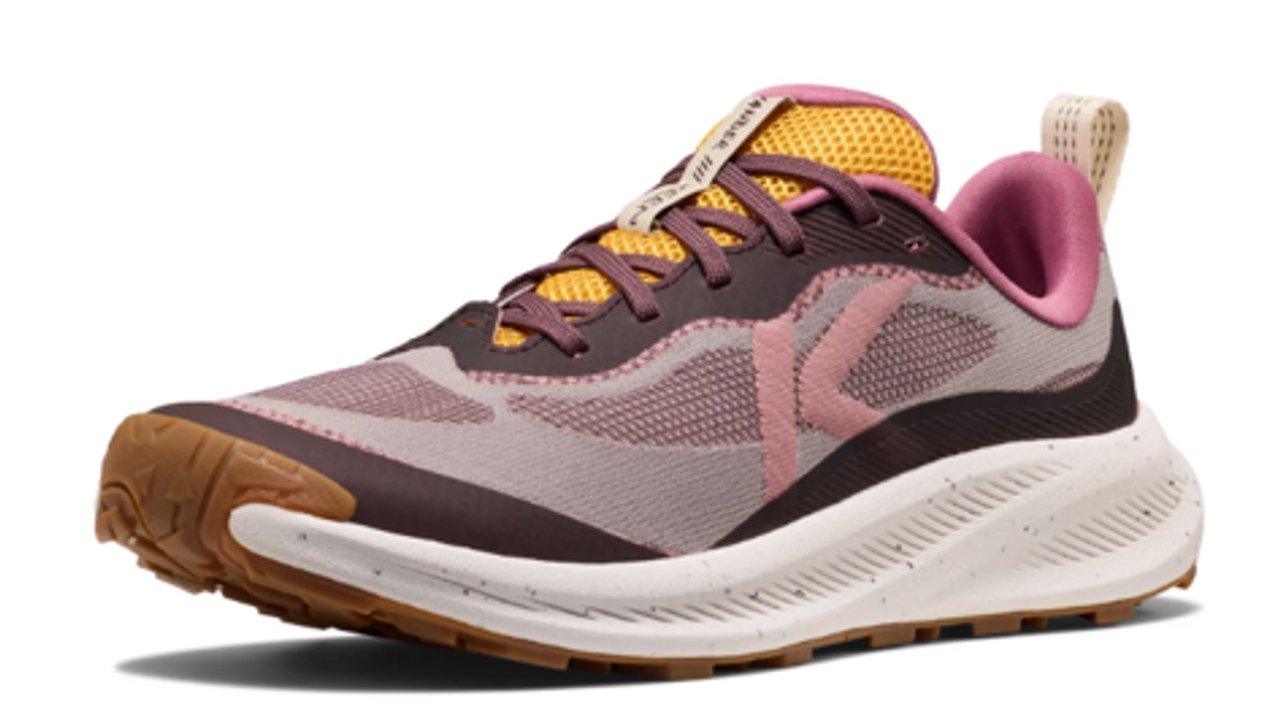
This is where the women’s stretch knit loafer stands out as a genuinely low-impact update on the style. Its knit upper uses less material than a full leather construction, requires no break-in, and, depending on the brand, is increasingly made with recycled or bio-based yarns. Paired with a durable, resoleable sole, it offers the comfort of a sneaker with the long-term repairability of a traditional loafer, making it one of the more sustainable slip-on options currently on the market.
Comfort and Longevity Go Hand in Hand
There’s also a waste angle to comfort itself. Shoes that hurt feet get worn a handful of times and then abandoned in the back of a closet, a quieter but very real form of overconsumption. Loafers with proper arch support and a deeper footbed tend to stay in active rotation longer than minimally cushioned flats, simply because they remain comfortable enough to reach for daily. A shoe that’s actually worn for years is always the more sustainable choice than one that’s technically durable but sits unused.
A Capsule Approach: Buying Less, Choosing Well
The most sustainable footwear strategy isn’t choosing flats or loafers exclusively. It’s building a small, considered rotation of both, selected for construction quality rather than trend cycles.
Look for:
- Full-grain or vegetable-tanned leather, or responsibly sourced knit uppers
- Stitched or resoleable sole construction over fully glued builds
- Natural or recycled materials that avoid microplastic shedding
- A fit and support level that means the shoe will actually get worn, season after season
Repair Before Replace
Before retiring a pair of loafers or flats, it’s worth checking whether a local cobbler can resole, reheel, or recondition them. Leather loafers in particular are often designed with repair in mind, and a resole can add years of life for a fraction of the cost, and footprint, of a new pair.
The Bottom Line
Flats and loafers each have a place in a considered wardrobe, but their environmental impact isn’t equal. Flats offer lightness and ease at the cost of a shorter lifespan, while well-built loafers, including newer knit styles, are engineered to be repaired and worn for years. Choosing footwear based on construction and longevity, not just how it looks on day one, is one of the most practical steps shoppers can take toward a lower-waste wardrobe.
Frequently Asked Questions
Are loafers more sustainable than flats?
Generally, yes. Their structured, resoleable construction allows them to be repaired and worn for years, while many flats have glued soles that can’t be fixed once worn through.
Can worn-out flats or loafers be recycled?
Mixed-material shoes are difficult to recycle through standard programs. Some brands and retailers now run dedicated shoe take-back schemes, so check before sending footwear to landfill.
What should I look for in a durable, low-impact loafer?
Stitched or resoleable soles, natural or recycled upper materials, and a supportive footbed that keeps the shoe comfortable enough to stay in regular rotation.
Do knit loafers have a smaller environmental footprint than leather ones?
Often, yes. Knit uppers typically use less raw material and, when made from recycled yarns, reduce reliance on virgin resources, though leather loafers can outlast them if properly maintained and resoled.
How can I extend the life of my shoes?
Rotate pairs to let materials rest between wears, store them properly, and take leather shoes to a cobbler for resoling rather than replacing them at the first sign of wear.