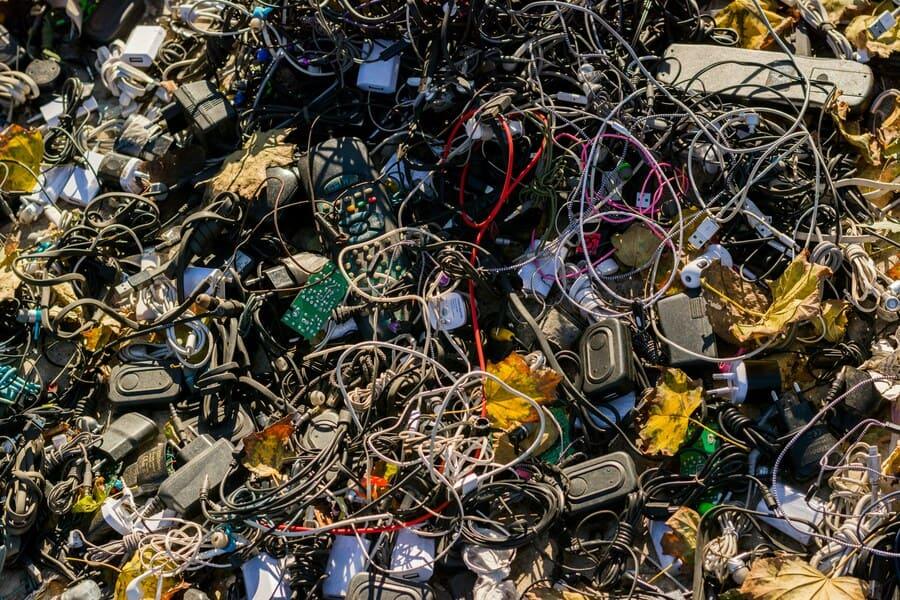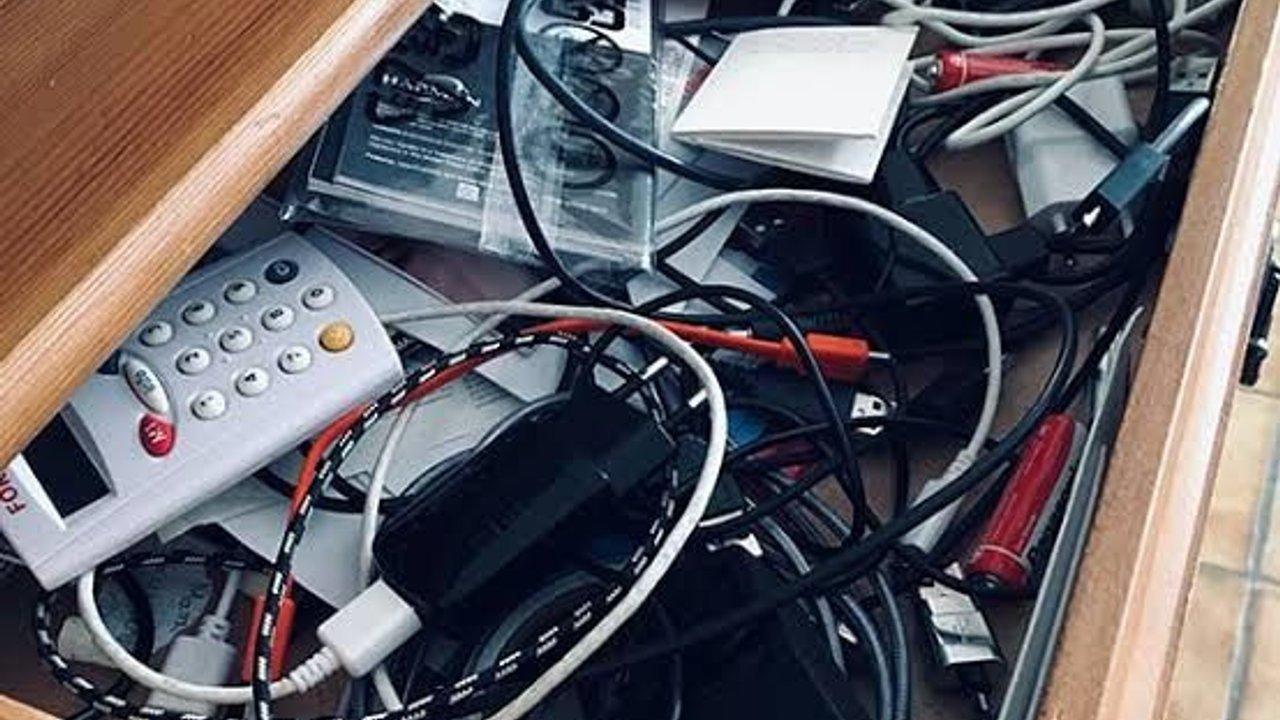
In2tec is calling for businesses, government and households to recover the valuable materials held in Britain’s unused electronics, from old phones and chargers to broken earbuds and digital cameras. The sustainable electronics company argues that devices stored in drawers, garages and small-business stockrooms represent a substantial urban resource rather than waste. Its appeal comes as global e-waste reached 62 million tonnes in 2022, while only 1% of rare earth element demand is met through e-waste recycling. In2tec’s focus is on modular electronics designed for repair, replacement, reuse and recycling, offering a practical route to retain materials in circulation.
A Resource In Forgotten Devices
Britain’s stock of unused consumer technology may contain more gold per kilogramme than gold ore, according to the company. The materials inside discarded or idle electronics include gold, rare earth elements, aluminium, copper and steel, all of which are important inputs for everyday devices and wider industrial activity.
The release places the issue in the wider context of resource availability. Metals and minerals used in electronics also support innovations in medicine, renewable energy and engineering, making their recovery from existing products an increasingly relevant part of material management.

Emma Armstrong, Sustainable Electronics Ambassador and Group Commercial Director at In2tec, said:
“The unavoidable truth is that we are running out of resources required for making everyday devices, such as rare earth elements, aluminium, copper, and steel. These materials are needed to drive innovations in medicine, renewable energy, and engineering to improve the lives of millions. Meanwhile, as much as 7% of the world’s gold reserve is trapped in ewaste.
Scale Of The E Waste Challenge
Figures from the 2024 edition of the UN and International Telecommunication Global E-Waste Monitor show that e-waste generation reached a record 62 million tonnes in 2022. This total was 82% higher than in 2010, yet recycling supplied just 1% of demand for rare earth elements.
For In2tec, this gap highlights both a material loss and a design challenge. Conventional printed circuit board assemblies can be difficult to repair, recycle and reuse because of the way they are constructed. The company positions modularity as an alternative that can support component replacement, upgrades and eventual recovery.
Emma Armstrong, Sustainable Electronics Ambassador and Group Commercial Director at In2tec, said:
“We need to do two things – design and implement electronics that can be easily recycled, fixed, or upgraded, while putting in place systems to gather ewaste and extract the materials at scale.”
Collection And Processing Barriers
Recovering the value contained in unused devices depends on more than product design. Technology writer Kiran Journals identifies collection and processing capacity as the two principal barriers, with devices dispersed through homes, cupboards, garages and business storage areas.
The challenge is particularly clear for low-value or obsolete items that consumers may keep for years rather than dispose of through established collection routes. Building systems capable of gathering these devices at scale, then processing them to recover materials, is central to the urban mining model described in the release.
Kiran Journals, tech journalist writing in Space Daily, said:
“The richest gold deposit on Earth, measured by grade, is now the accumulated stock of unused consumer electronics sitting in the drawers, cupboards, garages and small-business storage rooms of ordinary people in ordinary homes across every developed country in the world.
“Not slightly more. A lot more.”
Circular Electronics Opportunity
In2tec’s case for circular electronics centres on retaining products and components at their highest useful value for longer. Devices that can be fixed or upgraded can avoid premature replacement, while products designed with recovery in mind can provide a more workable feedstock for recyclers at end of use.
That model also responds to the environmental costs associated with extracting virgin metals. The release links mining and processing with energy demand and damage to ecosystems, including deforestation, habitat destruction and water pollution. Recovering materials from electronics already in circulation could help reduce reliance on those primary resources.
Emma Armstrong, Sustainable Electronics Ambassador and Group Commercial Director at In2tec, said:
“The mining and processing of virgin metals devastate the health of vulnerable communities, demand massive amounts of energy and inflict irreversible damage on ecosystems, leading to deforestation, habitat destruction, and water pollution.
“Considering these appalling consequences, the recycling of consumer electronics must be prioritised.”
Turning Stored Technology Into Value
The company’s message is straightforward: the UK’s e-waste challenge also represents a recoverable material opportunity. Unlocking it will require products that are designed for disassembly and continued use, alongside collection systems and industrial processing capable of dealing with the volume of equipment currently sitting unused.
For organisations reviewing resource use, the case extends beyond end-of-life disposal. Repairability, replaceable components and reuse can keep electronics functional for longer, while better recovery routes can return strategically important materials to productive use. In2tec’s call brings welcome attention to a category of waste that is often invisible precisely because it remains stored in homes and workplaces rather than entering formal recycling systems.