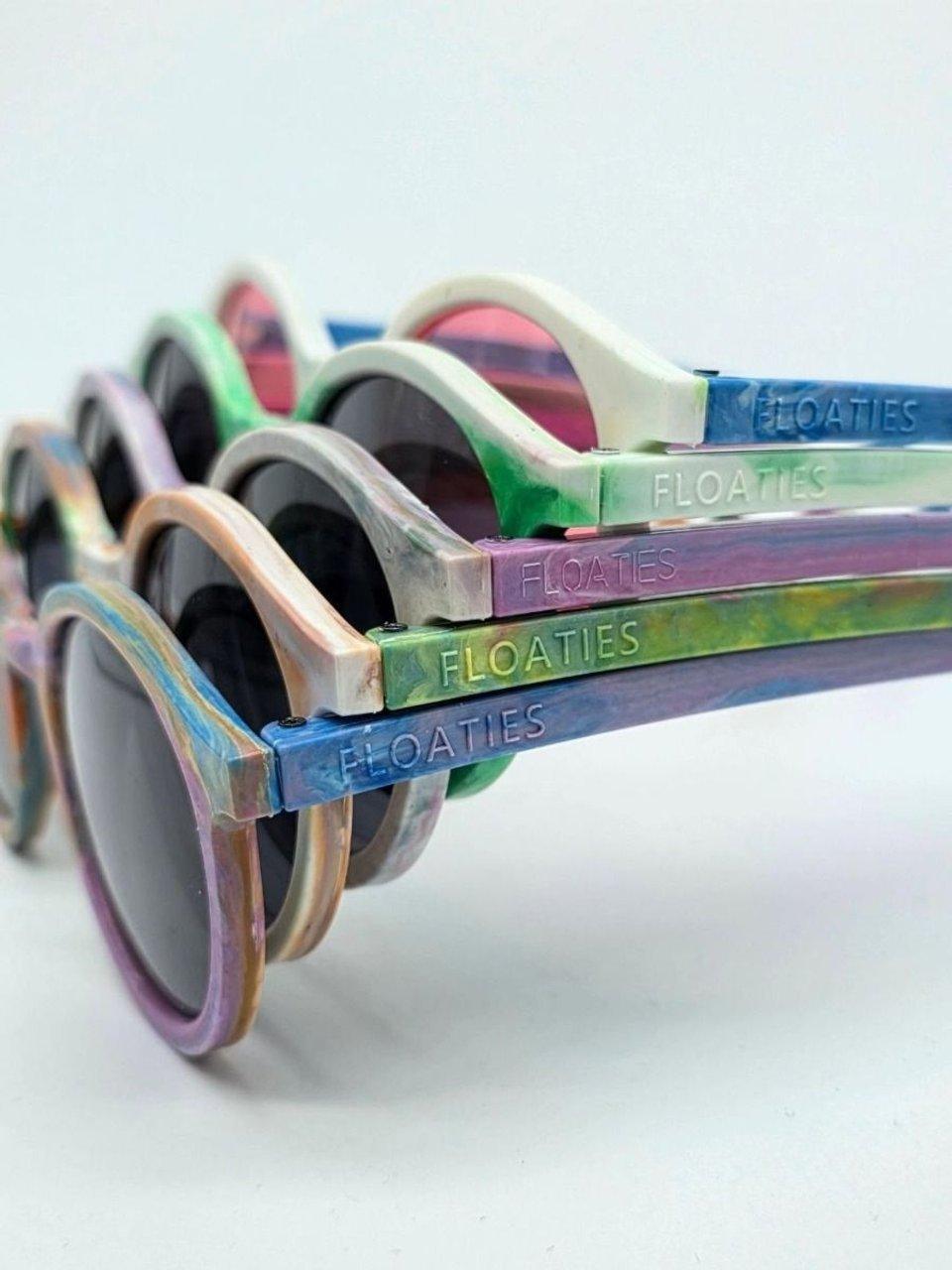
Maritimo Recycling is preparing to take its Floaties sunglasses beyond Croatia, with five new styles in development, including a children’s design. Created in Dubrovnik from discarded bottle tops collected from the Adriatic Sea and local communities, the contemporary sunglasses are designed to float and to be recycled again at the end of their useful life. The project pairs a recognisable consumer product with a locally rooted response to plastic waste. As international expansion approaches, Floaties offers a practical example of how design can give recovered materials a more visible second life.
A Dubrovnik Design Story
Floaties emerged from a city closely connected to the Adriatic, where the relationship between tourism, coastal life and the marine environment is especially immediate. The brand’s material story begins with plastic bottle tops that would otherwise be treated as waste, collected through sea clean-ups and from local communities.
That local origin remains central to the product. Each pair carries a direct connection to the sea and surrounding community from which its material was recovered, while the sunglasses themselves are intended to work as a desirable everyday accessory rather than a novelty item.
The floating quality gives the range a useful distinction for people spending time near water. It also creates a clear link between the product’s function and its source material, connecting design choices with the realities of coastal plastic pollution.
Design Before The Message
Floaties has been developed around the idea that customers should choose the sunglasses because they look good, feel good and work well. The environmental story is part of the product’s value, but it is not presented as a substitute for considered design or usability.
This positioning matters in a market where sustainable products are increasingly expected to meet the same aesthetic and practical standards as conventional alternatives. By making the sunglasses contemporary and design-led, Maritimo Recycling is placing recovered plastic in a category where consumers can see and use it regularly.
The approach also gives waste material a more engaging public role. Instead of being hidden within an industrial process, discarded bottle tops become a visible part of a finished product that can travel well beyond the place where the plastic was collected.
Keeping Material In Use
Floaties is built around a circular design philosophy. If a pair breaks, customers can return it for the material to be ground down and made into a new product. This creates a route for the sunglasses to remain part of a material cycle rather than becoming another discarded item.
The team is also exploring a QR-code concept that could allow wearers to trace the journey of the plastic behind their sunglasses. Such a feature would give customers a clearer connection to the product’s origins, from collection through to its transformation into eyewear.
For a small-scale initiative, this emphasis on return and reuse is an encouraging part of the proposition. It recognises that recycling is not only about recovering material once, but about designing products with their next stage in mind.
Recycling Close To Communities
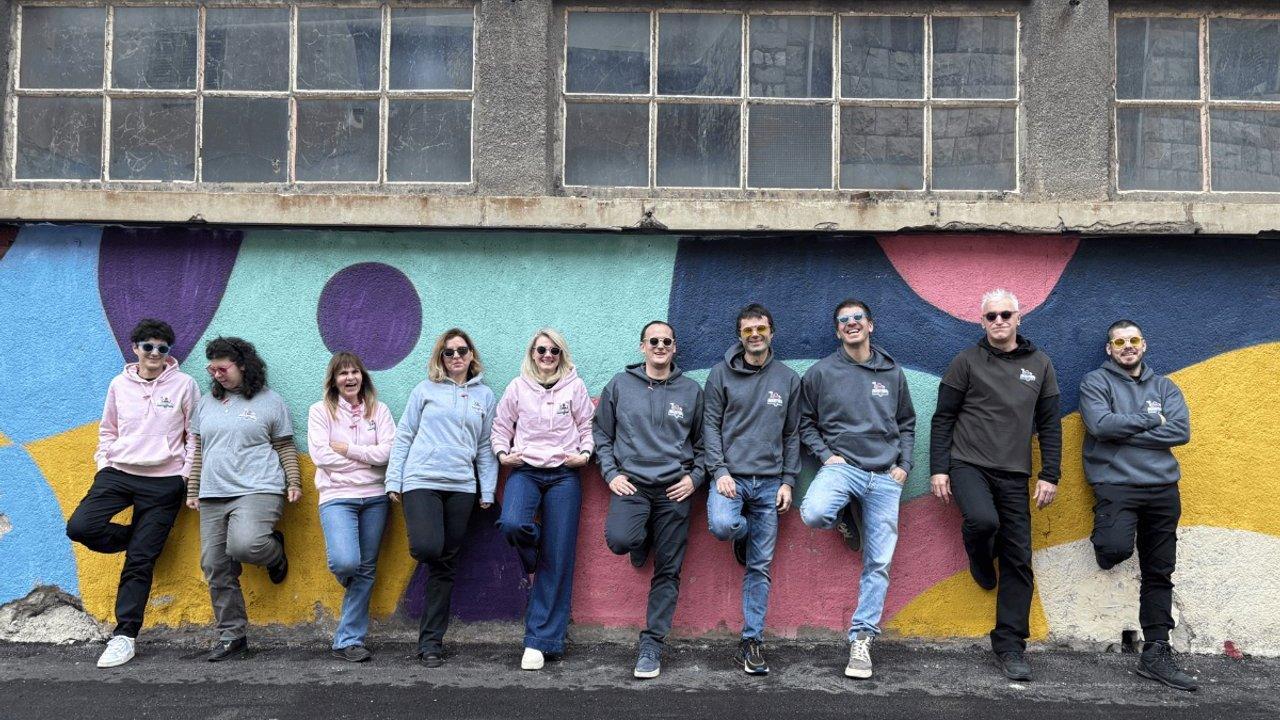
Maritimo Recycling brings together marine conservation, design and recycling innovation through a broader programme of activity. Alongside collecting plastic through sea clean-ups, the Dubrovnik-based non-profit initiative is developing its own small-scale recycling machines.

The ambition is to make plastic recycling more accessible and more local. This could help communities see more clearly how collected material can be processed and remade, while placing practical recycling activity closer to the people and places connected to it.
Educational experiences are also being developed for tourists, local communities and schoolchildren. By introducing participants to the recycling process, the initiative is creating opportunities to connect environmental awareness with a tangible understanding of how materials can be reused.
New Styles And Wider Reach
With international markets in view, Floaties is developing five new styles, including one for children. The expansion signals confidence in a product concept that combines everyday function, distinctive design and material recovery from the Adriatic and local communities.
The next phase will bring a Dubrovnik-made circular product to a broader audience while retaining its local foundation. Floaties shows how an item once regarded as waste can be remade into something useful, appealing and closely tied to the coastal environment from which it came.